

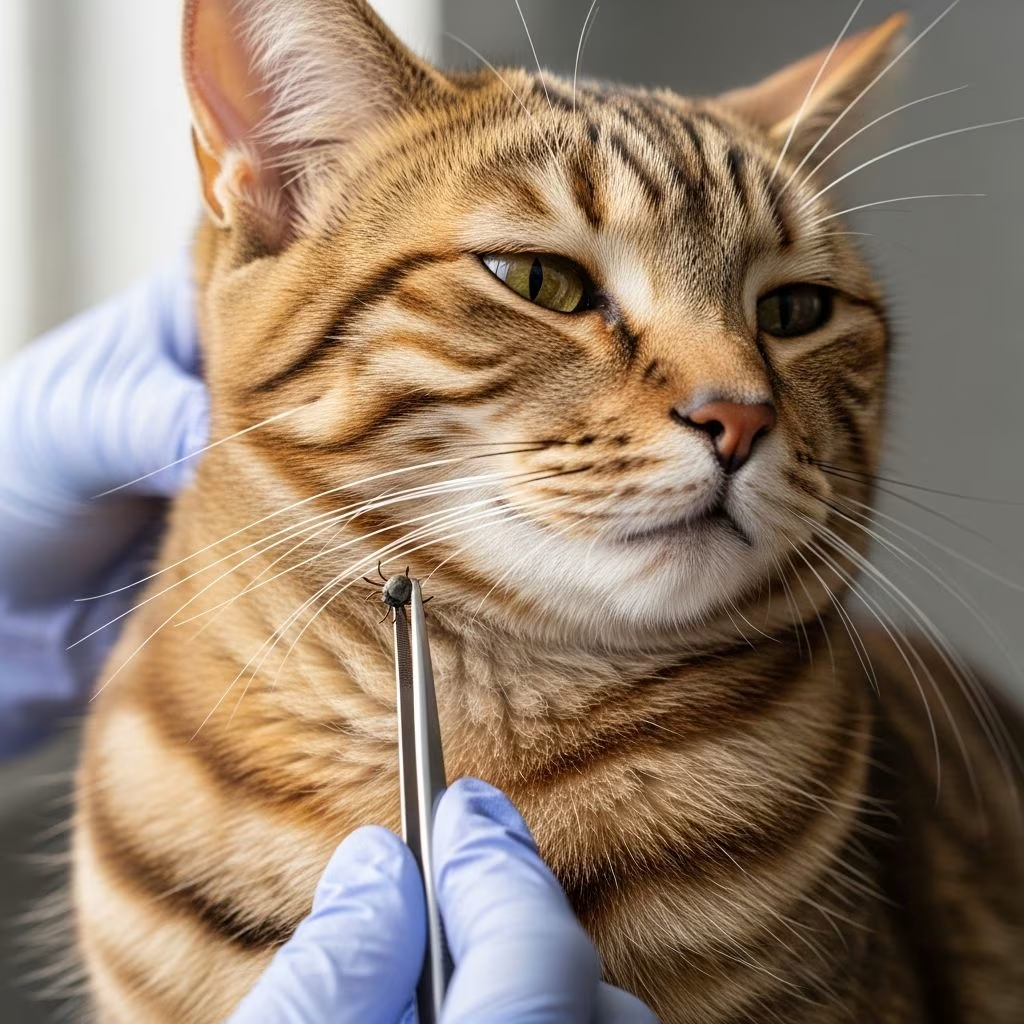
Ticks pose a significant threat to cats, capable of transmitting serious diseases while causing immediate discomfort through bites and irritation. Prompt and correct removal is crucial to minimize health risks for your pet. This guide provides detailed, veterinarian-approved strategies for handling tick infestations effectively.
Understanding Ticks and Their Impact on Felines
Ticks are external parasites that latch onto a cat’s skin to feed on blood, often embedding their mouthparts deeply. Unlike fleas, ticks can remain attached for days, swelling as they engorge. Common species affecting cats include the black-legged tick and brown dog tick, thriving in wooded, grassy, or brushy environments where cats may roam outdoors.
These arachnids transmit pathogens like those causing Lyme disease, though cats are somewhat resistant compared to dogs. Still, infections can lead to anemia, fever, lethargy, and joint issues if multiple ticks are present. Indoor cats aren’t immune, as ticks hitch rides on clothing, shoes, or other pets. Regular checks after outdoor adventures are essential.
Spotting Ticks on Your Cat: Early Detection Tips
Detecting ticks early prevents prolonged attachment and disease transmission. Perform thorough body inspections weekly, especially during warmer months when ticks are active. Focus on hidden areas where fur is dense:
- Ears and ear flaps, inside and out
- Around the neck and under the collar
- Armpits and groin regions
- Between toes and paw pads
- Tail base and underbelly
Ticks appear as small, dark bumps—resembling scabs or skin tags initially. Engorged ones look like grayish grapes, about pea-sized. Use a magnifying glass or bright light; run a fine-tooth comb through fur or wet the coat slightly to part hairs. Part the fur in sections, feeling for unusual lumps. If your cat scratches excessively, licks a spot, or shows hair loss, investigate promptly.
Essential Tools for Effective Tick Extraction
Gathering the right equipment ensures safe, complete removal without leaving mouthparts behind, which can cause infections. Assemble these items before starting:
| Tool | Purpose | Why It’s Recommended |
|---|---|---|
| Fine-tipped tweezers or tick hook | Grasping and pulling tick | Precise grip near skin; avoids squeezing body |
| Latex or nitrile gloves | Personal protection | Prevents zoonotic disease transfer to humans |
| Isopropyl alcohol (70%) | Killing and preserving tick | Drowns tick quickly; allows identification if needed |
| Pet-safe antiseptic (chlorhexidine or povidone-iodine) | Cleaning bite site | Reduces infection risk without irritating skin |
| Small jar or sealed container | T storing tick | For vet submission if symptoms arise |
Avoid household items like matches, oils, or petroleum jelly—these irritate the tick, prompting it to regurgitate pathogens into the wound.
Step-by-Step Guide to Removing Ticks Safely
Approach removal calmly to keep your cat relaxed. Enlist a helper if possible—one to hold the cat gently while you work. Distract with treats or play. Work in a well-lit area on a stable surface covered with a towel.
- Prepare and restrain: Put on gloves. Fill a jar with alcohol. Secure your cat comfortably, speaking soothingly.
- Isolate the tick: Part fur around the tick. Confirm it’s a tick (eight legs, no wings) versus a wart or debris.
- Position tool: For tweezers, grasp the tick’s head or mouthparts flush against the skin—never the swollen body. For a hook, slide under the tick parallel to skin.
- Extract steadily: Pull upward with even, firm pressure. Slight clockwise twist (per tool instructions) helps if using a hook, but avoid jerking or twisting tweezers, which can snap mouthparts. The tick releases naturally; skin may tent slightly.
- Verify removal: Inspect for the full tick, including hypostome (barbed mouth). Use magnification if unsure.
- Dispose safely: Drop tick into alcohol jar, seal, and flush or discard later. Do not crush with fingers.
- Clean thoroughly: Wipe bite with antiseptic. Dab, don’t rub. Monitor for redness or swelling over days.
- Post-care hygiene: Disinfect tools, remove gloves, wash hands with soap.
If the tick resists or your cat struggles, stop and consult a vet to avoid injury.
Dangerous Myths and What Not to Do
Many outdated remedies persist online, but they heighten risks. Folklore like smothering with nail polish, vinegar, or oils forces ticks to vomit infectious fluids. Burning or crushing spreads bacteria. Even almond or olive oil suggestions lack evidence and can inflame skin.
A novel method from a case study involves injecting anesthetic into the tick to euthanize it first, easing mechanical removal without skin trauma—though impractical for home use without training. Stick to mechanical tools for reliability.
Post-Removal Monitoring and Health Checks
After extraction, observe your cat for 2-4 weeks. Warning signs of complications include:
- Lethargy or appetite loss
- Fever, limping, or swollen joints
- Bite site infection (pus, expanding redness)
- Anemia symptoms like pale gums in heavy infestations
Save the tick in alcohol for vet analysis if illness develops—they can test for pathogens. Multiple ticks warrant a full exam; bloodwork may detect early diseases.
Preventing Future Tick Infestations
Prevention trumps removal. Use vet-recommended products year-round, especially in tick-prone areas:
- Topicals: Spot-on treatments (e.g., fipronil-based) applied monthly between shoulder blades. Allow drying before contact.
- Collars: Seresto-style, lasting 8 months, releasing insecticides.
- Orals: Tablets killing ticks upon biting.
- Environmental control: Mow lawns, remove leaf litter, use diatomaceous earth outdoors.
Avoid dog products on cats—toxic ingredients like permethrin cause seizures. Consult your vet for tailored options based on age, health, and location.
When to Contact a Veterinarian Immediately
Not all ticks yield to home removal. Seek professional help if:
- Mouthparts remain embedded
- Tick is in eye, ear canal, or hard-to-reach spot
- Cat shows pain, aggression, or multiple ticks
- You’re inexperienced or uncomfortable
Vets use specialized tools and sedate if needed, ensuring complete extraction. Kittens, seniors, or immunocompromised cats merit extra caution.
Frequently Asked Questions (FAQs)
Can ticks kill cats?
Rarely directly, but heavy infestations cause anemia, and diseases like cytauxzoonosis can be fatal without treatment.
How long can a tick stay on a cat?
Up to 10 days if undisturbed, increasing disease risk.
Is twisting the best way to remove ticks?
Slight twisting with hooks works; straight pull with tweezers suffices. Avoid aggressive force.
Do indoor cats get ticks?
Yes, via humans or other pets transporting them indoors.
What if I can’t remove the whole tick?
The body often sheds naturally; monitor and see a vet if inflamed.
Equipping yourself with knowledge and tools empowers you to protect your cat from ticks effectively. Regular vigilance and preventatives keep your feline healthy and tick-free.
References
- What do I do if my cat has ticks? — Vetster. 2023. https://vetster.com/en/wellness/what-do-i-do-if-my-cat-has-ticks
- How to safely remove a tick from your cat — Elanco. 2024. https://mypetandi.elanco.com/nz/parasites/ticks/how-to-safely-remove-a-tick-from-your-cat
- How to Remove a Tick From a Cat — PetMD. 2024. https://www.petmd.com/cat/care/how-remove-tick-cat
- A contrivance of tick removal to prevent skin damage — PMC (PubMed Central). 2022-08-22. https://pmc.ncbi.nlm.nih.gov/articles/PMC9396067/
- How to Correctly Remove Ticks? — FOUR PAWS International. 2023. https://www.four-paws.org/our-stories/publications-guides/correctly-remove-ticks
- Cats and Ticks | How to Spot and Remove Ticks — Blue Cross. 2024. https://www.bluecross.org.uk/advice/cat/health-and-injuries/cats-and-ticks



