

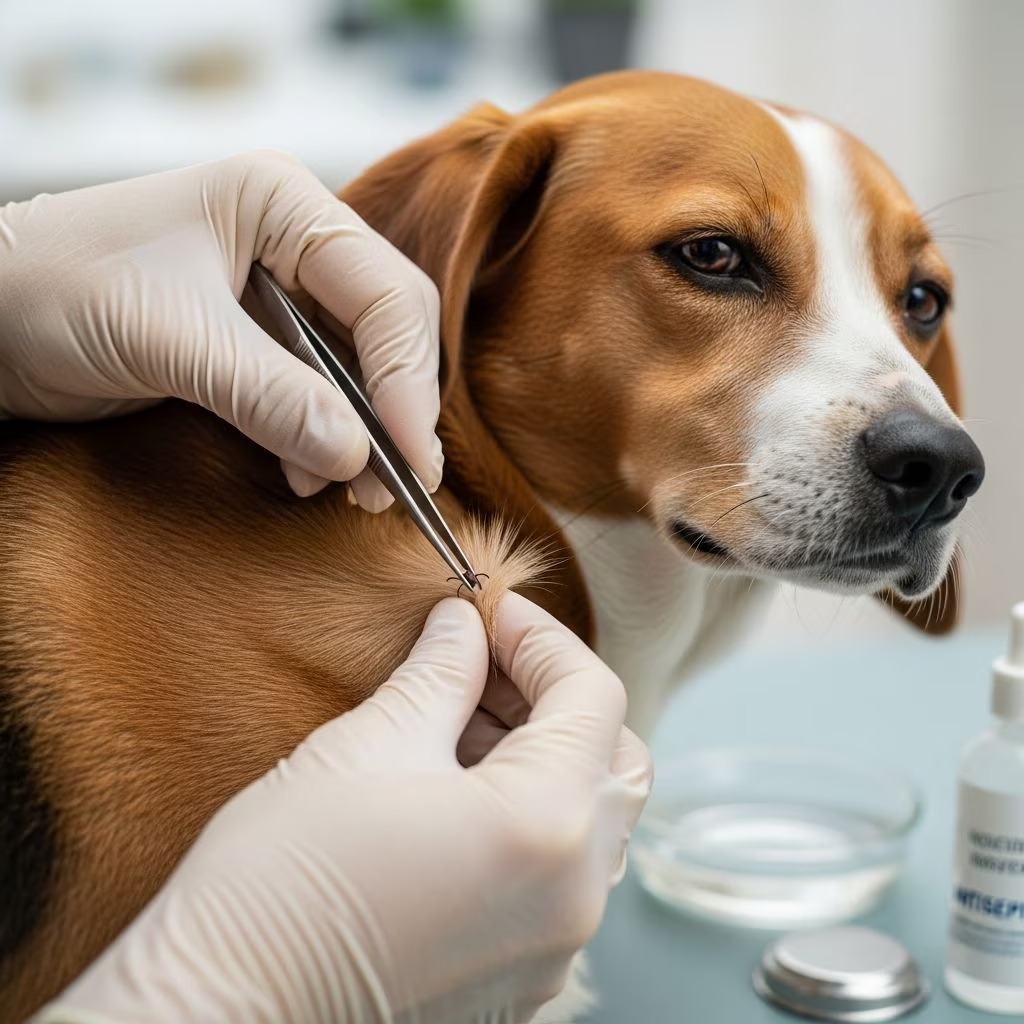
Ticks pose a significant threat to dogs, capable of transmitting serious diseases if not addressed promptly. Proper detection and removal are crucial to safeguard your pet’s health. This guide provides comprehensive steps for inspection, safe extraction, post-removal care, and long-term prevention.
Understanding Ticks and Their Impact on Canines
Ticks are external parasites that latch onto a dog’s skin to feed on blood. They thrive in wooded, grassy, or brushy areas, often attaching during walks or outdoor play. Common species include the black-legged tick and brown dog tick, which can carry pathogens leading to conditions like Lyme disease, anaplasmosis, and ehrlichiosis.
Adult ticks measure about the size of a sesame seed, but engorged ones swell dramatically after feeding. They prefer warm, hidden spots on the body, making routine checks essential after any outdoor activity. Early detection minimizes disease transmission risk, as ticks typically need 24-48 hours attached to spread infections.
Signs Your Dog Might Have a Tick Infestation
Dogs rarely show immediate symptoms from a single tick, but watch for subtle indicators:
- Excessive scratching or biting at specific areas.
- Red, inflamed bumps on the skin.
- Lethargy, fever, or loss of appetite in advanced cases.
- Visible crawling or attached parasites during grooming.
Perform daily inspections, especially in tick season from spring to fall. Long-haired breeds require extra attention to part fur effectively.
Step-by-Step Guide to Checking Your Dog for Ticks
A thorough body scan should become part of your dog’s grooming routine. Start from the head and work backward:
- Head and Ears: Feel around eyes, ears, and muzzle for small bumps.
- Neck and Shoulders: Run fingers through collar area where ticks hide.
- Armpits and Groin: These warm folds are prime spots.
- Between Toes and Tail Base: Check paw pads and under the tail.
- Belly and Back: Part fur along the spine and abdomen.
Use good lighting and wear gloves to avoid direct contact. Ticks feel like tiny grapes under the skin. If your dog resists, use treats to keep them calm.
Tools Essential for Effective Tick Removal
Invest in specialized equipment for safe extraction. Here’s a comparison of common tools:
| Tool | Description | Pros | Cons |
|---|---|---|---|
| Fine-Tipped Tweezers | Precision grips near skin. | Accessible, inexpensive. | Risk of head breakage if not careful. |
| Tick Twister/Hook | Forked or hooked design for twisting. | Quick, low infection risk. | Requires purchase. |
| Tick Key/Card | Slotted tool to hook and pull. | Easy for multiple ticks. | Less precise on embedded ticks. |
| Tick Lasso | Wire loop that tightens. | Secure hold. | Learning curve for use. |
Always have at least one tool in your pet first-aid kit.
Precise Techniques for Removing Ticks from Dogs
Act swiftly but calmly. Follow these steps using your chosen tool:
- Wear disposable gloves to protect yourself from zoonotic diseases.
- Part the fur to expose the tick fully.
- Position the tool as close to the skin as possible, grasping the tick’s head, not body.
- For tweezers: Pull straight up with steady, even pressure. Avoid twisting or jerking.
- For hooks/twisters: Slide under tick, rotate clockwise 5-10 times until loose, then lift.
- Inspect the site: Ensure no mouthparts remain. Minor redness is normal.
- Disinfect the bite with antiseptic soap and water or alcohol.
Never squeeze, crush, or yank, as this forces infected fluids into the wound.
Common Mistakes to Avoid During Tick Removal
Outdated methods increase risks:
- Suffocation Tactics: Petroleum jelly, nail polish, or gasoline causes regurgitation of pathogens.
- Burning: Matches or heat prompt disease transmission before detachment.
- Improper Twisting: Can leave hypostome (mouthpart) embedded.
- Bare Hands: Exposes you to bacteria like Borrelia.
These errors heighten chances of local infections or systemic illness.
What to Do After Successful Tick Removal
Post-extraction care prevents complications:
- Dispose of tick by drowning in alcohol, sealing in tape, or flushing.
- Monitor the site for 2-4 weeks for swelling, rash, or lameness.
- Save the tick in a jar with date/location if symptoms appear later—useful for vet diagnosis.
- Contact your veterinarian if the dog shows fever, joint pain, or behavioral changes.
Administer a vet-recommended antibiotic only if prescribed; self-treatment is inadvisable.
Diseases Transmitted by Ticks to Dogs
Ticks vector multiple threats:
- Lyme Disease: Causes fever, arthritis; treatable with doxycycline.
- Rocky Mountain Spotted Fever: Systemic symptoms; requires prompt antibiotics.
- Anaplasmosis: Lethargy, bleeding issues.
Vaccination for Lyme is available for high-risk dogs; discuss with your vet.
Proven Prevention Strategies Against Ticks
Prevention outperforms cure:
- Topical/Oral Preventives: Flea-and-tick collars, spot-ons (e.g., fipronil), or chewables (e.g., isoxazolines).
- Environmental Control: Mow lawns, avoid tall grass, check after hikes.
- Natural Options: Neem, essential oils (diluted); garlic supplements cautiously for adults only.
- Routine Checks: Daily post-outdoor exams.
Consult vets for tailored regimens, avoiding resistance buildup.
Seasonal and Regional Tick Considerations
Peak activity occurs April-October in temperate zones, but warm winters extend seasons. High-risk U.S. areas include Northeast, Midwest; globally, Europe and Australia report surges. Adjust prevention year-round in endemic regions.
FAQs on Tick Management for Dogs
Q: How soon after attachment do ticks transmit disease?
A: Most require 36-48 hours; remove promptly to minimize risk.
Q: Can ticks jump or fly to my dog?
A: No, they quest from vegetation, latching as hosts brush by.
Q: Is a tick head left in skin dangerous?
A: It usually extrudes naturally; monitor for infection, but don’t dig.
Q: Safe for puppies or pregnant dogs?
A: Use age-appropriate products; consult vet.
Q: How to identify tick species?
A: Note size, color, scutum pattern; submit to vet or lab if concerned.
Building a Tick-Proof Routine for Your Dog
Integrate checks into daily life: post-walk baths, weekly full grooms. Stock your kit with tools, antiseptics, gloves. Educate family members on techniques. Annual vet wellness includes tick panels for at-risk dogs. Proactive habits ensure your companion enjoys tick-free adventures.
By mastering these methods, you’ll protect your dog from parasites effectively. Stay vigilant—healthy pets thrive outdoors safely.
References
- Ticks on dogs | How to remove a tick from a dog — Blue Cross. 2023. https://www.bluecross.org.uk/advice/dog/health-and-injuries/ticks-on-dogs
- True or False: A good hack for getting a tick off your pet is to cover it with petroleum jelly or nail polish — VCA Animal Hospitals. 2024. https://vcahospitals.com/resources/preventive-dog/parasites/true-or-false-can-you-take-a-tick-off-pets-with-petroleum-jelly-or-nail-polish
- How to Correctly Remove Ticks? — FOUR PAWS International. 2023. https://www.four-paws.org/our-stories/publications-guides/correctly-remove-ticks
- Dogs and Ticks: How to Spot & Remove — American Red Cross. 2024. https://www.redcross.org/take-a-class/resources/learn-pet-first-aid/dog/ticks
- Ticks on dogs and cats — RSPCA. 2023. https://www.rspca.org.uk/adviceandwelfare/pets/general/ticks



