

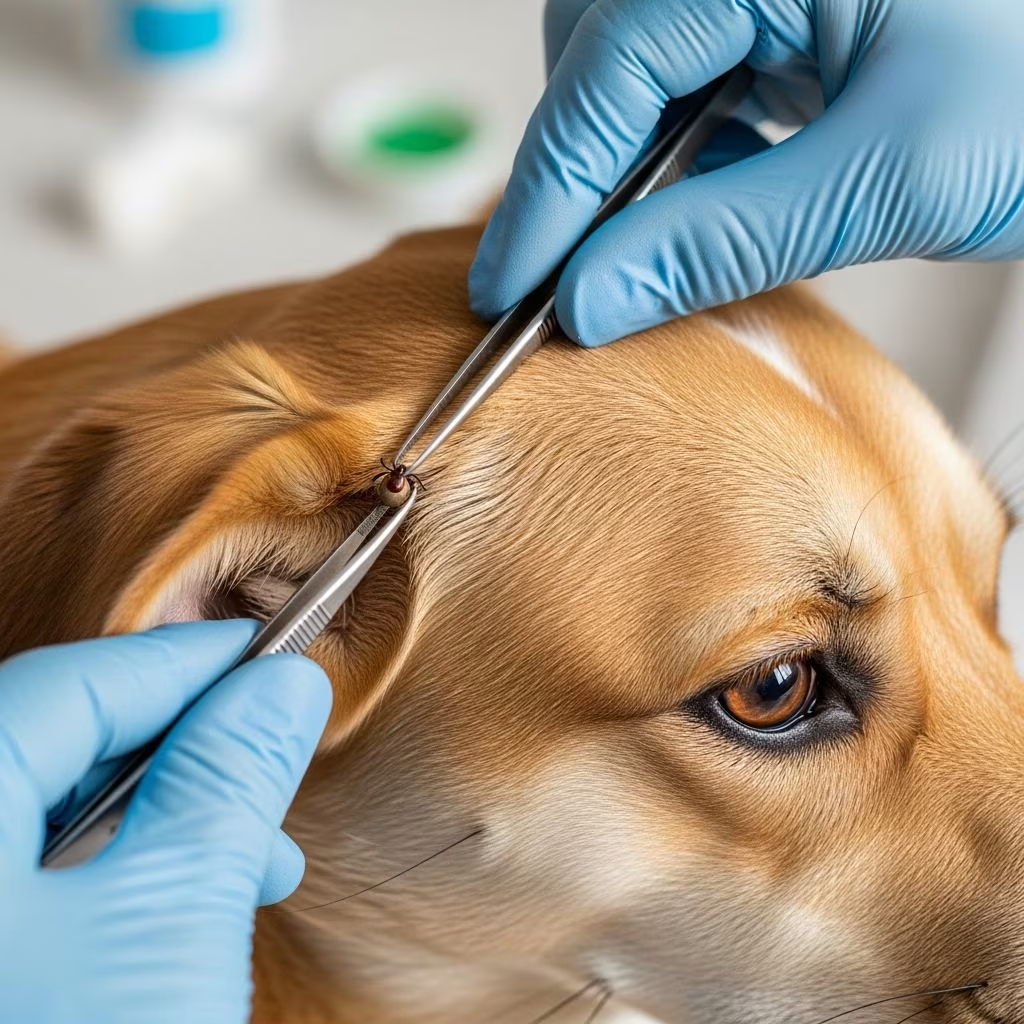
Ticks pose a significant threat to dogs, capable of transmitting serious diseases if not addressed promptly. Removing them correctly minimizes health risks to your pet and yourself. This guide outlines effective, veterinarian-recommended methods using everyday tools or specialized devices, along with post-removal care and prevention strategies.
Understanding the Tick Threat to Canines
Ticks are arachnids that latch onto dogs during outdoor activities, embedding their mouthparts into the skin to feed on blood. Common species include the black-legged tick, which spreads Lyme disease, and the American dog tick, linked to Rocky Mountain spotted fever. Early detection is crucial, as ticks can transmit pathogens within 24-48 hours of attachment.
Dogs in wooded, grassy, or brushy areas face higher exposure, especially in spring and summer. Regular checks after walks can prevent infestations. Symptoms of tick-borne illnesses include lethargy, fever, joint pain, and lameness, appearing days to weeks post-bite.
Essential Tools for Effective Tick Extraction
Gather supplies before starting: fine-tipped tweezers, nitrile gloves, rubbing alcohol, antiseptic wipes, a sealed jar, and soap. Fine-point tweezers outperform blunt ones by grasping the tick precisely without tearing.
Specialized tick hooks, like the Tick Tornado, offer advantages for frequent use. These pronged devices slide under the tick and twist it free without squeezing the body.
- Fine-tipped tweezers: Ideal for home use; pinch close to skin.
- Tick removal hooks: Quick and hygienic for multiple ticks.
- Gloves: Prevent human exposure to diseases.
- Alcohol jar: Kills and preserves tick for vet ID.
Step-by-Step Guide: Removing Ticks with Tweezers
- Prepare the area: Calm your dog, part the fur to expose the tick fully. Wear gloves.
- Grasp precisely: Position tweezers as close to the skin as possible, avoiding the tick’s swollen body.
- Pull steadily: Lift straight up with even pressure; no twisting or jerking to avoid leaving mouthparts.
- Dispose safely: Submerge in rubbing alcohol. Alternatives: tape in a sealed bag or flush after confirming death.
- Clean thoroughly: Wash the bite with soap and water or antiseptic. Monitor for redness.
- Disinfect tools: Clean tweezers and wash hands.
This method ensures complete removal, reducing infection risk. If mouthparts remain, they often work out naturally but consult a vet if inflammation persists.
Using Tick Removal Tools Effectively
For efficiency, especially in tick-heavy regions, opt for hooks or snares. Slide the tool flush against the skin, encircle the tick, and rotate gently clockwise or as directed. This extracts the entire parasite without compression.
Practice on a single tick first. Tools minimize skin trauma and are reusable after sterilization.
Common Mistakes to Avoid During Removal
Improper techniques increase disease transmission. Never use these methods:
- Alcohol or petroleum jelly: Causes regurgitation of pathogens into the wound.[10]
- Burning or smothering: Prompts saliva release, heightening infection odds.[10]
- Squeezing or twisting harshly: Leaves mouthparts embedded.
- Blunt tweezers: Tears the tick, spreading bacteria.
| Method | Why Avoid | Recommended Alternative |
|---|---|---|
| Pouring alcohol | May cause tick to vomit diseases | Tweezers pull |
| Match burning | Releases toxins into skin | Tick hook twist |
| Finger squeeze | Expels infected fluids | Gloved tweezers |
Post-Removal Care and Monitoring
After extraction, apply pet-safe antibiotic ointment. Bathe your dog if multiple ticks are present. Watch the site for 3-7 days: swelling, rash, or pus signals infection.
Save the tick for identification; different species carry unique diseases. Consult your vet for testing if your dog shows symptoms or frequents high-risk areas.
Preventing Future Tick Attachments
Proactive measures outperform reactive removal:
- Topical preventives: Flea/tick collars, spot-ons (e.g., containing fipronil).
- Oral medications: Isoxazolines kill ticks post-bite.
- Environmental control: Mow lawns, avoid tall grass.
- Daily checks: Focus on ears, neck, armpits, groin.
Combine methods for year-round protection, consulting your vet for tailored plans.
When to Seek Professional Veterinary Help
DIY works for most, but call your vet if:
- Mouthparts are stuck and inflamed.
- Multiple ticks overwhelm you.
- Your dog has fever, limping, or appetite loss.
- You’re unsure of tick species.
Vets use professional tools and can test for diseases like anaplasmosis or ehrlichiosis.
Frequently Asked Questions (FAQs)
Can ticks survive flushing?
Only if alive; kill with alcohol first.
How soon after a bite do diseases transmit?
Typically 24-48 hours; remove promptly.
Is it safe to remove ticks from puppies?
Yes, with care; use tools gently.
What if my dog scratches the bite?
Prevent with cone; monitor for secondary infection.
Do all ticks carry disease?
No, but many do; identification helps assess risk.
Seasonal Tick Hotspots and Breed Risks
Certain breeds like hounds with long fur attract more ticks. Northeast U.S. sees peak black-legged ticks; South has dog ticks. Adjust prevention by region.
Incorporate yard sprays with pet-safe ingredients. Walk dogs mid-day when ticks are less active.
Advanced Prevention: Vaccines and Testing
Lyme vaccines exist for high-risk dogs. Annual blood tests screen for tick-borne diseases. Integrate with topicals for comprehensive defense.
References
- How To Remove A Tick From A Dog (& How Not To) — ToeGrips. 2023. https://toegrips.com/how-to-remove-tick-from-dog/
- How to Remove a Tick from Your Dog — American Kennel Club. 2023-10-26. https://www.akc.org/expert-advice/health/how-to-remove-tick-from-dog/
- Ticks on dogs | How to remove a tick from a dog — Blue Cross. 2024. https://www.bluecross.org.uk/advice/dog/health-and-injuries/ticks-on-dogs
- How to Correctly Remove Ticks? — FOUR PAWS International. 2023. https://www.four-paws.org/our-stories/publications-guides/correctly-remove-ticks
- Dogs and Ticks: How to Spot & Remove — American Red Cross. 2023. https://www.redcross.org/take-a-class/resources/learn-pet-first-aid/dog/ticks
- What To Do When You Find A Tick On Your Dog — I20 Animal Medical Center. 2023. https://www.i20animal.com/services/what-to-do-when-you-find-a-tick-on-your-dog
- How to Remove a Tick Head Stuck in Your Dog or Cat — Elanco. 2024. https://yourpetandyou.elanco.com/us/parasites/ticks/how-to-remove-a-tick-head



