

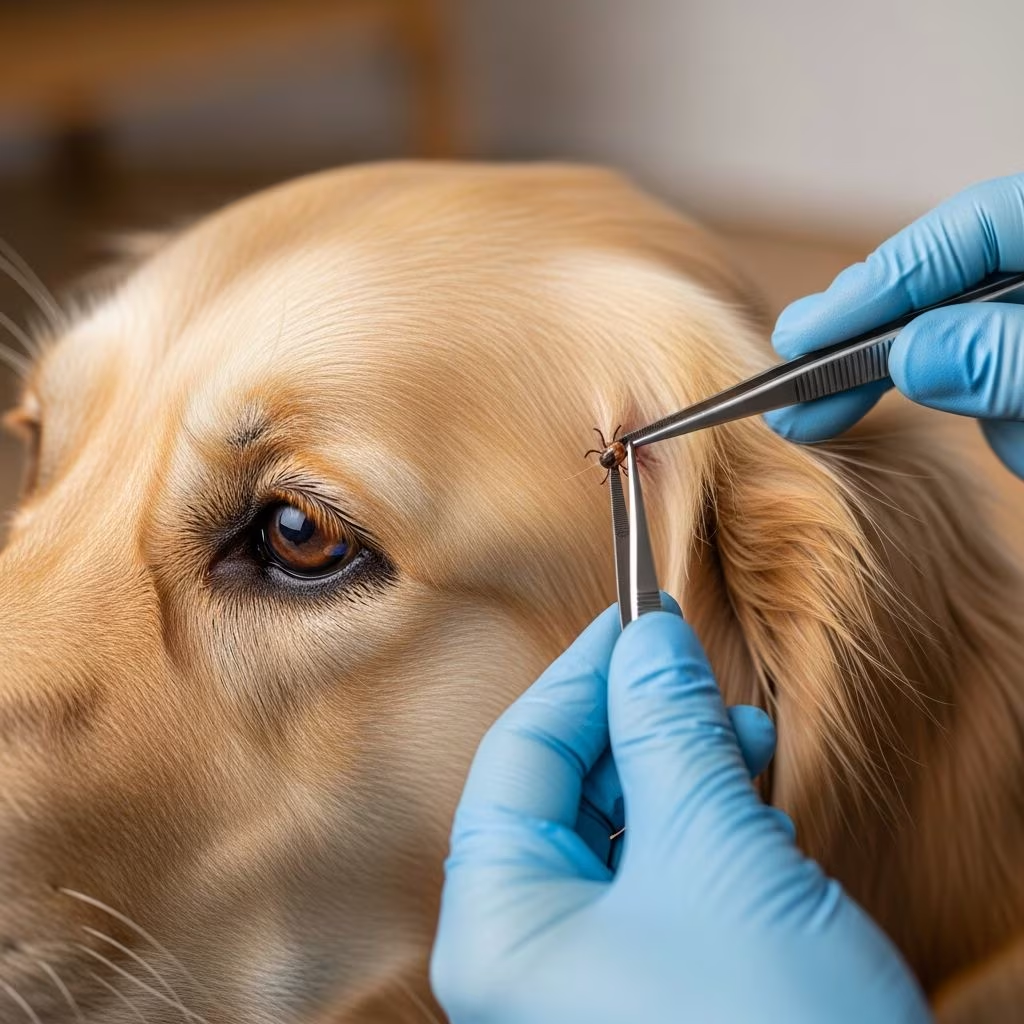
Ticks pose a significant threat to dogs, capable of transmitting dangerous diseases if not addressed promptly. Proper removal techniques ensure complete extraction without leaving harmful parts behind or releasing pathogens into your pet’s bloodstream. This guide provides a comprehensive approach to handling ticks effectively.
Understanding the Tick Threat to Canines
Ticks are parasitic arachnids that latch onto dogs during outdoor activities, particularly in wooded, grassy, or brushy areas. They embed their mouthparts into the skin to feed on blood, potentially carrying bacteria, viruses, or protozoa that cause illnesses like Lyme disease, anaplasmosis, or ehrlichiosis. Early detection and removal within the first 24 hours greatly reduces disease transmission risk.
Dogs with thick fur or those frequenting tick hotspots, such as trails or parks during spring and summer, face higher exposure. Regular checks after outings are crucial, focusing on hidden spots where ticks thrive.
Essential Tools for Effective Tick Extraction
Gathering the right equipment beforehand streamlines the process and enhances safety for both you and your dog. Here’s what you’ll need:
- Fine-tipped tweezers or specialized tick remover: These allow precise grasping near the skin without compressing the tick’s body.
- Disposable gloves: Protect your hands from potential zoonotic diseases like Rocky Mountain spotted fever.
- Antiseptic solution: Rubbing alcohol or pet-safe wipes for cleaning the site and tools.
- Sealed container: A small jar with alcohol to preserve the tick for veterinary analysis if symptoms arise.
- Treats and distractions: To keep your dog calm during the procedure.
Invest in purpose-built tick tools from pet stores or vets, as they outperform household tweezers by reducing the chance of breakage.
Mastering the Step-by-Step Removal Process
Follow these precise steps to extract ticks cleanly and efficiently. Stay calm to avoid startling your dog.
- Prepare and protect: Don gloves and restrain your dog gently on a stable surface. Offer treats to distract them.
- Locate and isolate: Part the fur around the tick. Clean the area and your tool with rubbing alcohol.
- Grip correctly: Position tweezers or the tool as close to the skin as possible, targeting the tick’s head or mouthparts. Avoid the swollen abdomen.
- Extract steadily: Pull upward with even, firm pressure. Do not twist, jerk, or squeeze, as this can leave mouthparts embedded or force out infectious fluids.
- Inspect thoroughly: Examine the tick to confirm the head is intact. Check the bite site for remnants, which appear as a small black dot.
- Cleanse again: Disinfect the wound with alcohol or soap and water. Apply pet-safe antibiotic ointment if needed.
- Preserve the tick: Submerge it in alcohol in a sealed container. Label with the date and location for potential testing.
If mouthparts remain, attempt removal with the tool or seek vet assistance to prevent irritation or secondary infection.
Common Mistakes That Compromise Safety
Many owners unwittingly increase risks through improper methods. Avoid these pitfalls:
- Using fingers or blunt tools: Leads to crushing and pathogen release.
- Myths like petroleum jelly or matches: These irritate the tick, prompting regurgitation of disease-carrying contents.
- Flushing or crushing: Ticks survive water; improper disposal risks reattachment or incomplete killing.
- Ignoring hard-to-reach areas: Ticks hide in ears, armpits, groin, and between toes.
| Wrong Method | Why It Fails | Correct Alternative |
|---|---|---|
| Twisting the tick | Breaks mouthparts, causing infection | Straight upward pull |
| Burning or smothering | Triggers saliva ejection with bacteria | Tweezers extraction |
| Squeezing body | Expels gut contents into wound | Grasp at skin level |
Post-Removal Monitoring and Care
After extraction, vigilance is key. Observe the bite site for redness, swelling, limping, or pus over 2-4 weeks. Track your dog’s behavior for systemic signs:
- Fever, lethargy, or loss of appetite.
- Joint pain, lameness, or swollen lymph nodes.
- Anemia symptoms like pale gums or weakness.
Contact your vet immediately if issues appear. They may recommend blood tests for tick-borne pathogens, especially if multiple bites occurred. Some vets test saved ticks for specific diseases.
Proactive Prevention Strategies
Prevention outperforms reaction. Implement these measures year-round, peaking in warm months:
- Daily full-body checks: Run hands over skin, feeling for lumps, especially after hikes. Focus on head, neck, belly, and paws.
- Veterinary preventatives: Oral, topical, or collar products kill ticks on contact. Consult for breed-appropriate options.
- Yard maintenance: Mow grass short, clear leaf litter, and create tick barriers with gravel or wood chips.
- Outdoor habits: Stick to paths, avoid dense underbrush, and check yourself too.
- Grooming routine: Bathe weekly and brush to dislodge hitchhikers.
For multi-pet homes, isolate infested dogs until treated to prevent spread.
Tick Species and Regional Risks
Different ticks carry unique threats. Common U.S. types include:
- Blacklegged (Deer) Tick: Primary Lyme vector, prevalent in Northeast and Midwest.
- Dog Tick: Causes Rocky Mountain spotted fever, found nationwide.
- Lone Star Tick: Transmits ehrlichiosis and alpha-gal syndrome, aggressive in Southeast.
Know local prevalence via vet or extension services for tailored prevention.
When to Seek Professional Help
DIY works for most, but call a vet if:
- The tick is deeply embedded or in eyes/mouth.
- Multiple ticks are present.
- Your dog shows distress or allergies to bites.
- Remnants can’t be removed safely.
Engorged ticks or those attached over 36 hours warrant professional evaluation and possible antibiotics.
Frequently Asked Questions (FAQs)
What if I can’t remove the whole tick?
Don’t panic; the body often sheds embedded parts naturally. Monitor for infection and consult a vet if persistent.
How long after a bite do symptoms appear?
Days to months; Lyme can take 2-5 months. Routine monitoring is essential.
Are tick preventives safe for puppies?
Yes, age-appropriate options exist; always vet-approved.
Can ticks jump or fly to my dog?
No, they quest from vegetation, waiting for hosts to brush by.
Should I save every tick?
Only if concerned about disease or for identification; otherwise, destroy safely.
References
- Preventing Ticks on Pets — Centers for Disease Control and Prevention (CDC). Accessed 2026. https://www.cdc.gov/ticks/prevention/preventing-ticks-on-pets.html
- How to Check for and Remove Ticks on Dogs — Humane Society. Accessed 2026. https://www.humaneworld.org/en/resources/how-check-and-remove-ticks-dogs
- Ticks on Dogs | How to Remove a Tick from a Dog — Blue Cross UK. Accessed 2026. https://www.bluecross.org.uk/advice/dog/health-and-injuries/ticks-on-dogs
- Safely Removing a Tick From Your Pet — Emergency Veterinary Hospital of Ann Arbor. 2020-06-12. https://emergencyvetannarbor.com/blog/safely-removing-a-tick-from-your-pet/
- Tick Removal Guide for Dogs — Willoughby Veterinary Hospital. Accessed 2026. https://willoughbyveterinaryhospital.com/🐾-tick-removal-guide-for-dogs/



