
Safe Tick Removal for Dogs
Master the art of safely extracting ticks from your dog to prevent infections and diseases with proven, step-by-step techniques.
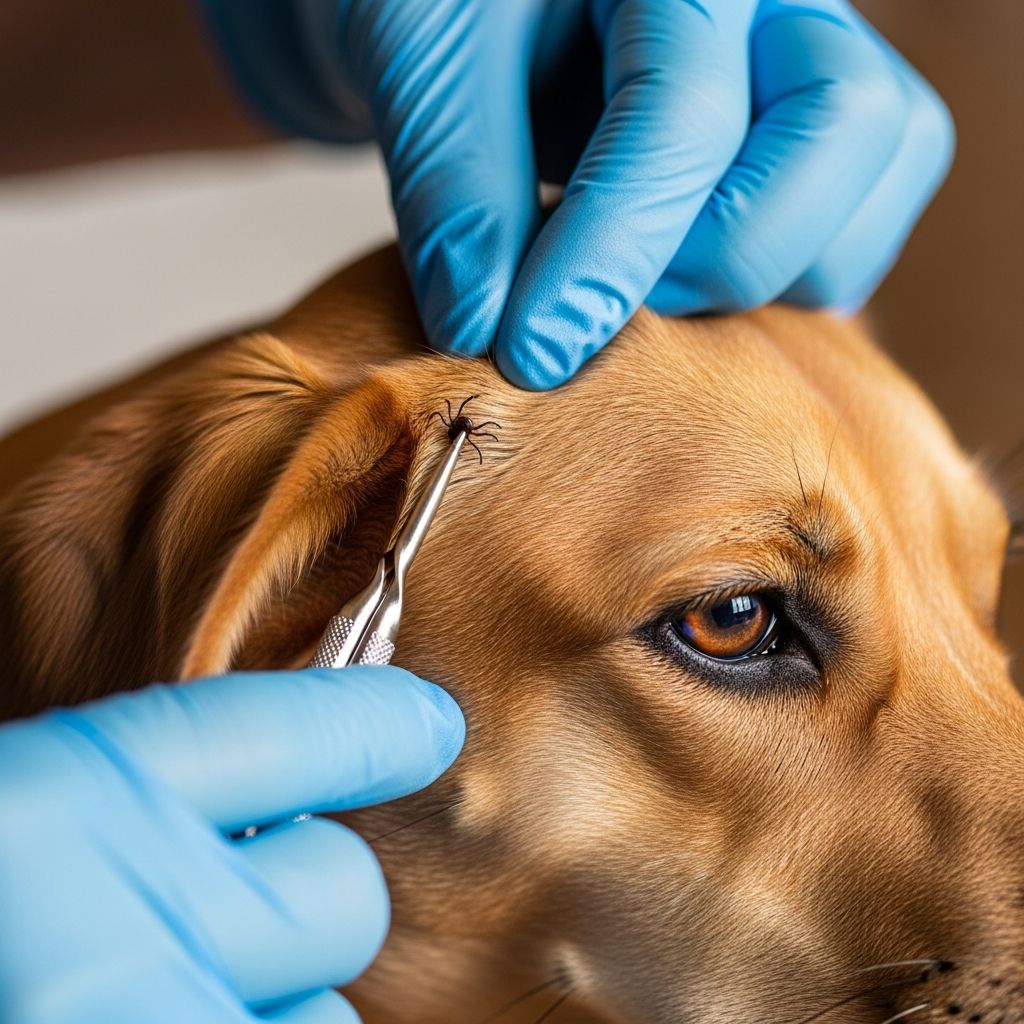
Ticks pose a significant threat to dogs, capable of transmitting serious diseases if not removed promptly and correctly. Proper removal techniques minimize the risk of infection and ensure the complete extraction of the parasite. This guide provides detailed instructions, essential tools, and preventive measures drawn from veterinary recommendations.
Understanding the Tick Threat to Canines
Ticks are arachnids that latch onto dogs during outdoor activities, embedding their mouthparts into the skin to feed on blood. Common species include the black-legged tick and American dog tick, prevalent in wooded, grassy areas. These parasites can carry pathogens leading to conditions like Lyme disease, anaplasmosis, and ehrlichiosis. Early detection through regular checks after walks is crucial, focusing on areas like ears, armpits, groin, and between toes where ticks hide.
Essential Tools for Effective Tick Extraction
Gathering the right equipment ensures safe and efficient removal. Key items include:
- Fine-point tweezers: Precision tips allow grasping near the skin without crushing the tick.
- Tick removal hooks or tools: Designed specifically for pets, these slide under the tick for easy twisting or pulling.
- Protective gloves: Rubber or latex gloves shield handlers from potential zoonotic diseases.
- Disinfectants: Rubbing alcohol or pet-safe antiseptics for cleaning the site and tools.
- Sealable container: For storing the tick in alcohol for identification or testing if needed.
These tools are available at pet stores or online, making home removal straightforward without veterinary visits for every instance.
Step-by-Step Guide to Removing Ticks
Follow these precise steps to extract ticks safely:
- Prepare the area: Wear gloves and part the fur around the tick to expose it fully. Disinfect tools and the site with rubbing alcohol.
- Position the tool: Using tweezers or a hook, grasp the tick as close to the skin as possible, targeting the head or mouthparts—avoid the swollen body.
- Pull steadily: Apply slow, straight upward pressure without twisting or jerking to prevent mouthpart breakage.
- Inspect the site: Ensure no parts remain embedded; a clean puncture wound confirms complete removal.
- Clean and store: Disinfect the bite area again, place the tick in a jar with alcohol, and wash hands thoroughly.
For sensitive spots like near eyes, use gentle cleansers and protective ointments first.
Common Mistakes to Avoid During Removal
Improper methods can worsen risks. Steer clear of:
- Squeezing or crushing the tick, which may inject infectious fluids.
- Twisting harshly with tweezers, potentially leaving mouthparts.
- Folk remedies like petroleum jelly, matches, or nail polish, as they agitate the tick into regurgitating.
- Bare-handed removal, increasing disease exposure.
| Method | Why Avoid | Recommended Alternative |
|---|---|---|
| Using blunt tweezers | Tears tick, spreads infection | Fine-point or hooks |
| Burning or suffocating | Causes regurgitation | Straight pull technique |
| Fingernails only | Imprecise, risky | Tools with gloves |
Post-Removal Care and Monitoring
After extraction, apply antibiotic ointment and observe the site for redness, swelling, or abscesses over 24-48 hours. Monitor your dog for tick-borne disease symptoms for 2-4 weeks, including:
- Lethargy or loss of appetite
- Fever, lameness, or joint pain
- Vomiting, diarrhea, or swollen lymph nodes
- Neurological signs like seizures
- Urine discoloration or bleeding tendencies.
If symptoms appear, consult a vet promptly, providing the preserved tick for analysis.
Preventing Tick Infestations Year-Round
Prevention surpasses removal. Strategies include:
- Topical or oral preventives: Products like fipronil or isoxazolines kill ticks on contact.
- Environmental control: Mow lawns, clear leaf litter, and avoid tick-heavy areas during peak seasons (spring-fall).
- Daily checks: Run hands over your dog’s coat post-outdoors, using a flea comb for detection.
- Vaccinations: Lyme vaccine for high-risk dogs, per vet advice.
Combine methods for comprehensive protection, consulting vets for region-specific recommendations.
Ticks in High-Risk Areas: Regional Considerations
Ticks thrive in humid, temperate climates. In the U.S., Northeast and Midwest see high Lyme incidence, while Southern states battle Rocky Mountain spotted fever vectors. Use tools like tick maps from veterinary sources to assess local threats and adjust preventives accordingly.
When to Seek Professional Veterinary Help
DIY removal suits most cases, but call a vet if:
- Multiple ticks are present.
- Mouthparts break off and remain.
- The tick is in a hard-to-reach spot.
- Your dog shows immediate distress or allergies.
Vets use magnification and sedation if needed for safe extraction.
Frequently Asked Questions (FAQs)
What if the tick head stays in after removal?
Monitor for infection; if it doesn’t expel naturally, seek vet care to avoid granulomas.
How long after a bite do symptoms appear?
Days to weeks; vigilance is key for 3-4 weeks.
Are tick hooks better than tweezers?
Both effective; hooks reduce squeezing risk, ideal for frequent exposures.
Can I flush the tick down the toilet?
Yes, after killing with alcohol, or store for ID.
Do all ticks carry disease?
No, but many do; removal speed reduces transmission odds.
Long-Term Strategies for Tick-Free Living
Integrate prevention into routines: bath dogs weekly with tick shampoos, use yard treatments safe for pets, and educate family on checks. Annual vet exams catch subclinical issues early. By staying proactive, dog owners can minimize encounters and health impacts.
This comprehensive approach empowers guardians to handle ticks confidently, safeguarding canine companions from parasites and their perils.
References
- How to Safely Remove a Tick from Your Dog — Zoetis Petcare. 2023. https://www.zoetispetcare.com/blog/article/safely-remove-tick-from-dog
- How to Remove a Tick from Your Dog — American Kennel Club. 2023. https://www.akc.org/expert-advice/health/how-to-remove-tick-from-dog/
- Ticks on dogs | How to remove a tick from a dog — Blue Cross. 2023. https://www.bluecross.org.uk/advice/dog/health-and-injuries/ticks-on-dogs
- How to Correctly Remove Ticks? — FOUR PAWS International. 2023. https://www.four-paws.org/our-stories/publications-guides/correctly-remove-ticks
- Tick Removal: What You Need to Know — East Sacramento Veterinary Center. 2023. https://www.eastsacvet.com/blog/tick-removal-what-you-need-to-know/
Similar Articles








Read full bio of Sneha Tete




