

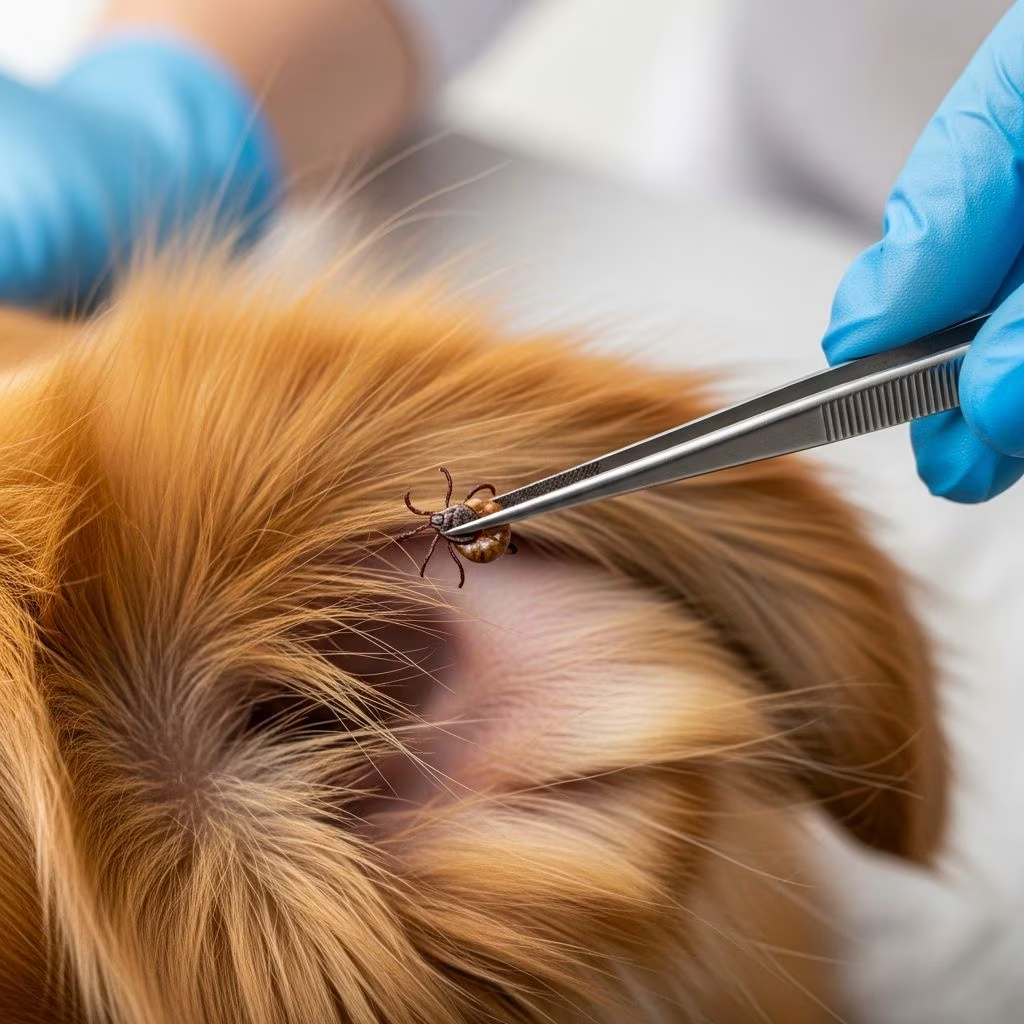
Ticks pose significant health risks to dogs by transmitting diseases like Lyme disease and Rocky Mountain spotted fever. Prompt and correct removal is crucial to minimize these dangers and promote healing.
Understanding Ticks and Their Impact on Canines
Ticks are parasitic arachnids that latch onto dogs during outdoor activities, embedding their mouthparts into the skin to feed on blood. Common species include the black-legged tick and American dog tick, thriving in wooded, grassy areas. Once attached, they can remain for days, increasing disease transmission odds. Early detection through regular checks after walks is vital.
Dogs may not show immediate symptoms, but attachment sites often appear as small, raised bumps. Scratching or lethargy can signal presence. Risks escalate in tick-heavy regions, making vigilance essential for pet owners.
Essential Tools for Effective Tick Extraction
Gathering the right equipment ensures safe, efficient removal without leaving mouthparts behind, which can cause infections.
- Fine-tipped tweezers: Ideal for precision grip near the skin; avoid blunt household types that may tear the tick.
- Tick removal hooks or twisters: Designed for easy twisting motion; effective for stubborn ticks without squeezing.
- Rubber gloves: Protect handlers from potential zoonotic diseases.
- Antiseptic solutions: Rubbing alcohol or pet-safe cleaners for disinfection.
- Sealable container: For storing ticks in alcohol for monitoring or vet analysis.
Invest in purpose-built tools from pet stores for reliability over improvised options.
Step-by-Step Guide to Removing Ticks
Follow these precise steps to extract ticks cleanly, reducing complications.
- Prepare the area: Calm your dog, wear gloves, and part fur around the tick. Apply alcohol to the site to loosen grip, avoiding eyes or sensitive spots where saline is better.
- Select and position tool: Use tweezers or hook close to skin level, grasping mouthparts firmly without crushing the body.
- Extract steadily: Pull straight up with even pressure for tweezers; twist gently clockwise for hooks until release. Avoid jerking or twisting improperly.
- Verify completeness: Check skin for remnants; a clean puncture means success.
- Clean and store: Disinfect bite with soap, water, or iodine. Place tick in alcohol-filled jar for observation.
Practice patience; rushed efforts lead to breakage.
Handling Ticks in Challenging Locations
Ticks on ears, head, mouth, or near eyes require extra caution due to sensitivity and movement.
| Location | Challenges | Recommended Approach |
|---|---|---|
| Ears | Wiggling, thin skin | Secure head gently; use hook for leverage. |
| Near eyes/mouth | Risk of injury, stress | Apply protective ointment first; seek vet if uncooperative. |
| Between toes | Small space, pain | Muzzle if needed; steady hand with tweezers. |
If your dog resists, wrap in a towel or enlist help. Professional assistance prevents harm.
What Not to Do During Removal
Common errors can worsen outcomes, so steer clear of these practices.
- Squeezing the body: Forces infectious fluids back into skin.
- Twisting improperly: Detaches mouthparts, causing inflammation.
- Using heat or petroleum jelly: Prompts regurgitation, heightening disease risk.
- Ignoring remnants: Leads to abscesses; monitor closely.
Myths persist, but evidence supports mechanical extraction only.
Post-Removal Care and Monitoring
After extraction, prioritize healing and watchfulness.
Clean the site daily with mild soap, applying antibiotic ointment like polysporin. Monitor for redness, swelling, or discharge over 3-4 weeks. Save the tick for identification if symptoms like fever, lameness, or appetite loss appear—vets may test it.
Administer prescribed preventives promptly. Schedule a vet visit for multiple ticks or embedded parts.
Preventing Future Tick Infestations
Proactive measures reduce encounters significantly.
- Topical/oral preventives: Monthly products kill ticks before attachment.
- Environmental control: Mow lawns, avoid brushy trails.
- Daily checks: Focus on armpits, groin, ears post-outdoors.
- Tick collars: Supplemental protection in high-risk areas.
Combine methods for comprehensive defense, consulting vets for regional threats.
Diseases Transmitted by Ticks to Dogs
Awareness aids early intervention.
- Lyme disease: Joint pain, fever; common in Northeast U.S..
- Ehrlichiosis: Lethargy, bleeding issues.
- Anaplasmosis: Similar flu-like symptoms.
Vaccines exist for some; rapid antibiotics treat others if caught early.
When to Consult a Veterinarian
Seek professional care if:
- Mouthparts remain embedded.
- Multiple ticks are present.
- Your dog shows illness signs post-removal.
- Ticks appear frequently despite preventives.
Vets offer safe removal, testing, and tailored preventives.
Frequently Asked Questions
What if the tick head breaks off?
Attempt gentle extraction with tool; if unsuccessful, let body heal naturally or see vet to avoid infection.
How long to monitor after removal?
Watch 3-4 weeks for symptoms; preserve tick for ID.
Can I use fingers instead of tools?
Not recommended; lacks precision, risks squeeze.
Are tick removers better than tweezers?
Often yes, for ease and completeness, especially for novices.
What kills ticks instantly post-removal?
Rubbing alcohol drowns them safely in a sealed container.
Seasonal Tick Hotspots and Precautions
Spring and fall peak activity; inspect gear and pets after hikes. Urban parks also harbor ticks. Use repellents on clothing for family hikes.
For multi-pet homes, treat all simultaneously to prevent spread.
References
- How to Safely Remove a Tick from Your Dog — Zoetis Petcare. 2023. https://www.zoetispetcare.com/blog/article/safely-remove-tick-from-dog
- How to Remove a Tick from Your Dog — American Kennel Club. 2024-05-15. https://www.akc.org/expert-advice/health/how-to-remove-tick-from-dog/
- How to Remove a Tick From a Dog, According to a Vet — Chewy. 2023-10-01. https://www.chewy.com/education/dog/flea-and-tick/how-to-remove-a-tick-from-a-dog
- Ticks on dogs | How to remove a tick from a dog — Blue Cross. 2024. https://www.bluecross.org.uk/advice/dog/health-and-injuries/ticks-on-dogs
- How to Correctly Remove Ticks? — FOUR PAWS International. 2023. https://www.four-paws.org/our-stories/publications-guides/correctly-remove-ticks
- How To Remove A Tick From Your Dog — PetSmart. 2024-02-20. https://www.petsmart.com/learning-center/dog-care/tick-removal-and-prevention-tips/A0140.html
- Tick Removal — Animal Medical Hospital. 2023. https://www.vet.bc.ca/remove-ticks.pml



