

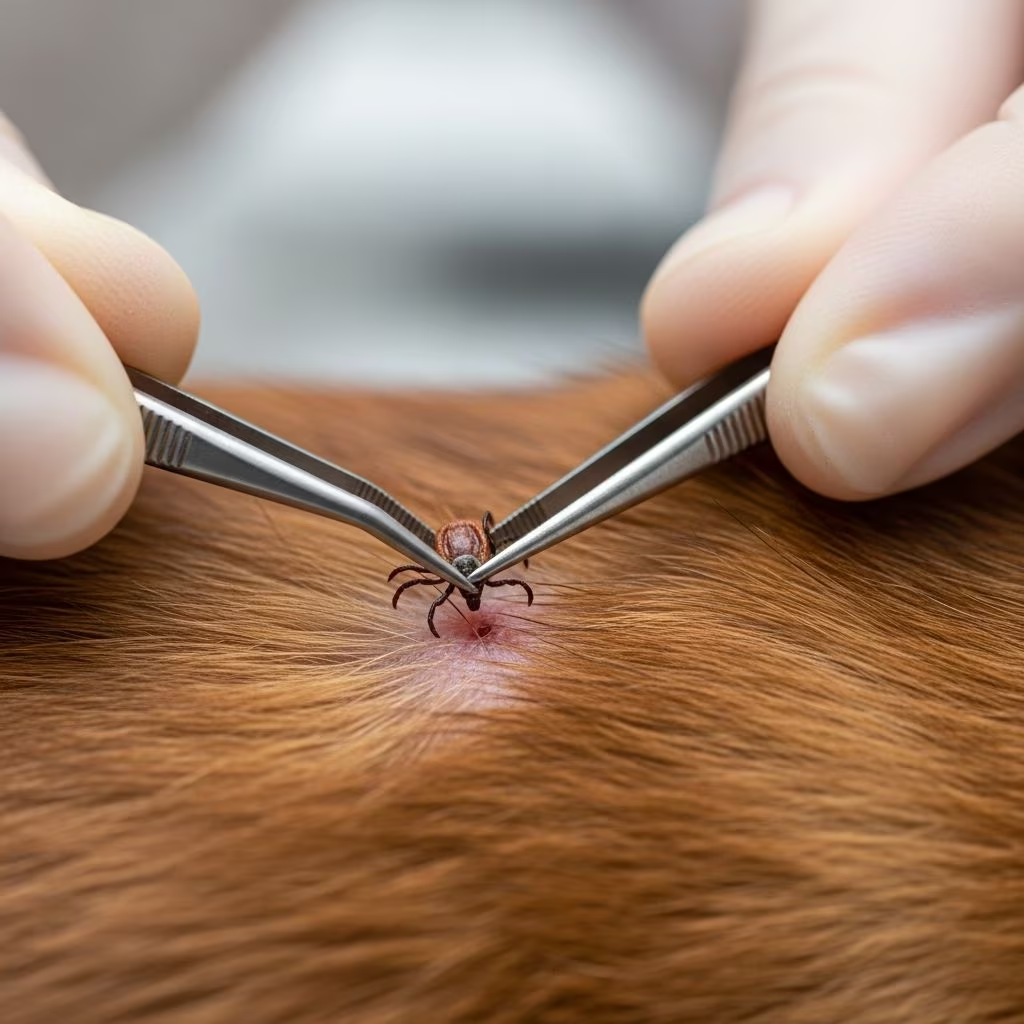
Ticks pose significant health risks to dogs by transmitting diseases such as Lyme disease and Rocky Mountain spotted fever, making prompt and proper removal essential for your pet’s well-being. This guide provides a complete overview of identification, safe extraction techniques, aftercare, and prevention strategies drawn from veterinary best practices.
Understanding the Threat of Ticks on Dogs
Ticks are arachnids that latch onto dogs during outdoor activities, embedding their mouthparts into the skin to feed on blood. Common species include the black-legged tick, American dog tick, and brown dog tick, each capable of carrying pathogens that lead to serious illnesses if not addressed swiftly. Early detection prevents engorgement, where ticks swell to many times their size, increasing disease transmission risk.
Dogs frequent wooded areas, tall grasses, or even urban parks, heightening exposure. Symptoms of tick-borne diseases may not appear immediately, including fever, lethargy, joint pain, and loss of appetite, underscoring the need for vigilance. Regular checks after outdoor time can catch infestations before complications arise.
Essential Equipment for Effective Tick Removal
Gathering the right tools ensures safe, efficient removal without leaving mouthparts behind, which can cause infections. Key items include:
- Fine-tipped tweezers: Precision grasp near the skin surface without squeezing the body.
- Dedicated tick removal tools: Devices like tick keys, scoops, or twisters designed for pets, available at pet stores.
- Protective gloves: Rubber or latex to shield your hands from potential zoonotic diseases.
- Disinfectants: Rubbing alcohol, pet-safe antiseptic, or soap and water for cleaning.
- Container for disposal: Small jar with alcohol or sealed bag for tick storage if vet analysis is needed.
Avoid household matches, petroleum jelly, or nail polish, as these methods can irritate the tick, prompting it to regurgitate pathogens into the wound.
Step-by-Step Guide to Removing Ticks
Follow this methodical process to minimize trauma and infection risk. Calm your dog with treats or a helper to steady them.
- Prepare the area: Wear gloves, part the fur, and clean the site with rubbing alcohol or soapy water. Sterilize tools first.
- Position the tool: Grasp the tick as close to the skin as possible, targeting the head and mouthparts. For tweezers, use a firm pinch; for hooks, slide under the tick.
- Extract steadily: Pull straight upward with even, slow pressure. Avoid twisting, jerking, or squeezing to prevent mouthpart breakage.
- Inspect the site: Ensure no parts remain. A small red mark is normal, but embedded pieces require vet attention.
- Clean thoroughly: Disinfect the bite area again and wash your hands.
For ticks in sensitive spots like ears, eyes, or mouth, exercise extra caution or consult a professional, as dogs may react strongly.
Handling Special Cases: Ticks in Hard-to-Reach Areas
Ticks on the head, ears, or between toes demand modified approaches. Use magnification for visibility and artificial tears near eyes to protect them. If the tick is deeply embedded or your dog resists, transport to a vet promptly to avoid injury. Puppies, seniors, or dogs with medical conditions benefit from professional removal to reduce stress.
| Tool Type | Best For | Pros | Cons |
|---|---|---|---|
| Fine-Tipped Tweezers | Small ticks, precision spots | Common household item, accurate grip | Risk of pinching skin if not careful |
| Tick Key/Scoop | Engorged ticks, furred areas | No squeezing, easy for beginners | May slip on very small ticks |
| Tick Twister | Heads/ears | Twisting action releases cleanly | Learning curve for technique |
What to Do After Tick Removal
Post-removal care prevents secondary issues. Dispose of the tick by submerging in alcohol, sealing in a bag, or flushing—never crush, as this spreads fluids. Save one tick from multiple infestations for identification if symptoms develop.
Monitor your dog for 3-4 weeks for signs like lameness, fever, swollen joints, or behavioral changes. Contact your vet if observed, providing the saved tick if possible. Clean the area daily until healed, watching for redness or pus indicative of infection.
Preventing Future Tick Infestations
Proactive measures reduce recurrence. Use vet-recommended preventives like topical treatments, collars, or oral medications year-round, especially in tick season (spring-fall).
- Daily full-body checks: Focus on armpits, groin, ears, and neck.
- Yard maintenance: Mow grass, remove leaf litter, create tick barriers.
- Avoid high-risk areas: Stick to trails, not brushy edges.
- Bathe dogs post-outings: Use tick-repelling shampoos.
Combine methods for comprehensive protection, consulting your vet for tailored plans based on location and lifestyle.
Risks of Improper Tick Removal
Mishandling increases dangers. Squeezing forces infected saliva into the wound, heightening disease odds. Jerking leaves barbed mouthparts, fostering abscesses or granulomas. Delaying removal allows more feeding time, amplifying pathogen transfer.
In humans, improper techniques risk transmission too—always prioritize safety. If unsure, professional intervention trumps DIY risks.
Frequently Asked Questions (FAQs)
How soon after a bite can diseases transmit?
Some pathogens transfer within hours, others after 24-48 hours of attachment, so remove promptly.
Can I use cooking oil or heat to remove ticks?
No—these irritants cause regurgitation of harmful bacteria. Stick to mechanical removal.
What if the tick head breaks off?
Attempt gentle extraction with a sterile needle; otherwise, see a vet to avoid infection.
How often should I check my dog for ticks?
Daily during peak seasons, after every outdoor adventure.
Are tick preventives safe for all dogs?
Most are, but consult your vet for allergies or health issues.
Long-Term Health Monitoring Post-Removal
Beyond immediate care, schedule vet check-ups if your dog frequents tick-heavy zones. Blood tests detect infections early. Vaccines for Lyme disease suit high-risk dogs. Educate family on personal protection during checks.
By integrating these practices, you safeguard your dog’s health effectively. Stay informed on local tick species via veterinary resources.
References
- How to Safely Remove a Tick from Your Dog — Glenwood Pet Hospital. 2023. https://glenwoodpethospital.com/blog/tick-removal-in-dogs/
- Tick Removal Guide for Dogs — Willoughby Veterinary Hospital. 2024. https://willoughbyveterinaryhospital.com/%F0%9F%90%BE-tick-removal-guide-for-dogs/
- How to Remove a Tick From a Dog, According to a Vet — Chewy. 2025. https://www.chewy.com/education/dog/flea-and-tick/how-to-remove-a-tick-from-a-dog
- Ticks on dogs | How to remove a tick from a dog — Blue Cross. 2024. https://www.bluecross.org.uk/advice/dog/health-and-injuries/ticks-on-dogs
- A Step-By-Step Guide to Removing a Tick from Your Pet — Lebanon Animal Hospital. 2023. https://lebanonanimalhospital.com/a-step-by-step-guide-to-removing-a-tick-from-your-pet/
- Tick Removal: What You Need to Know — East Sac Vet. 2024. https://www.eastsacvet.com/blog/tick-removal-what-you-need-to-know/
- How To Remove a Tick from Your Dog — Arrowhead Animal Hospital. 2023. https://arrowheadvets.com/?p=1743



