Safe Thanksgiving With Pets: 7 Tips for a Secure Celebration
Essential strategies to protect your pets from holiday hazards and ensure a joyful Thanksgiving for everyone in the family.
Safe Thanksgiving with Pets
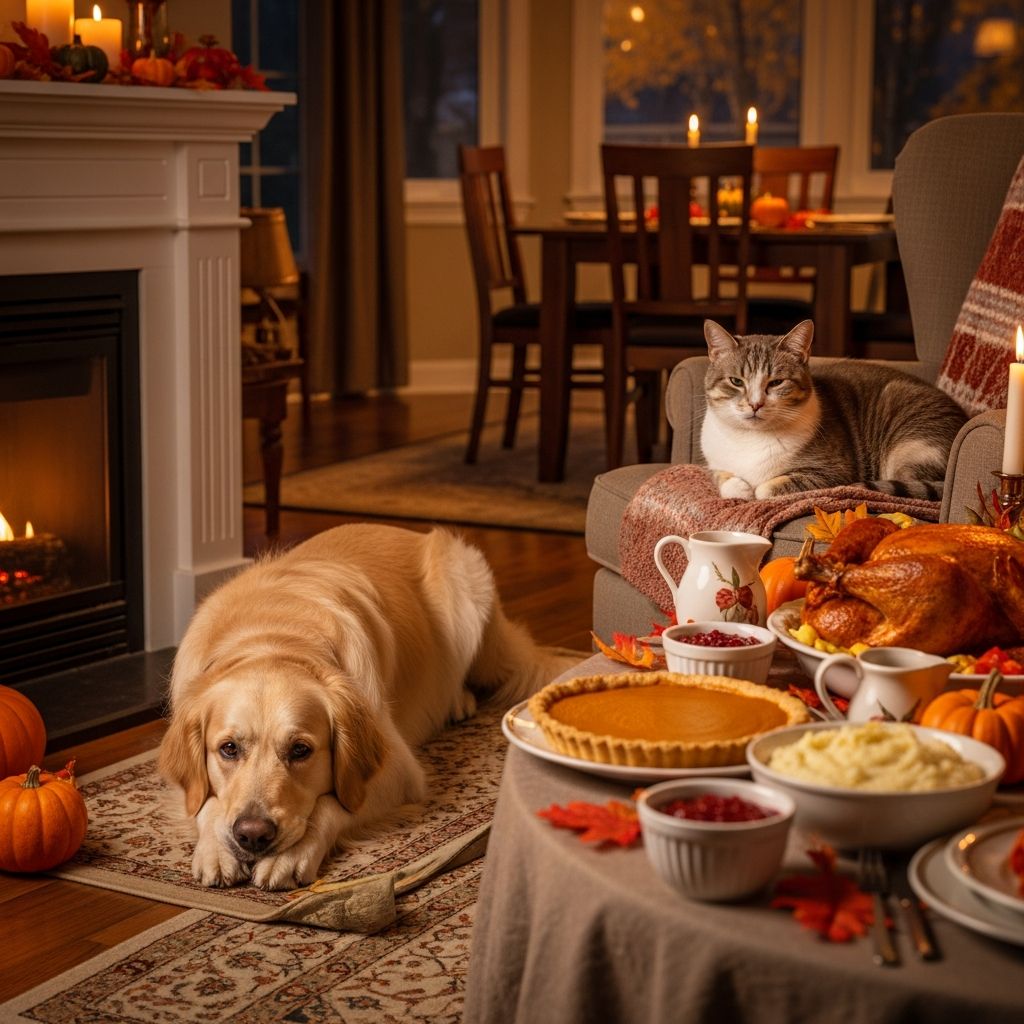
Thanksgiving gatherings bring joy, delicious meals, and family bonding, but they also introduce unique risks for household pets. Dogs and cats may face temptations from rich foods, increased stress from visitors, and opportunities to escape amid the bustle. Veterinary experts emphasize proactive planning to prevent emergencies like pancreatitis, choking, or getting lost. By preparing your home, sticking to routines, and educating guests, you can create a secure environment where pets thrive alongside the festivities.
Navigating Food Temptations: What Pets Can and Cannot Eat
The aroma of roasting turkey and fresh pies fills the air, drawing pets toward the kitchen. However, many holiday staples pose serious health threats. Fatty dishes like gravy or stuffing can trigger pancreatitis, a painful inflammation of the pancreas that requires veterinary intervention. Cooked bones from turkey or ham splinter easily, leading to choking, mouth injuries, or intestinal blockages.
Toxic ingredients abound in common sides and desserts. Onions, garlic, grapes, raisins, and chocolate damage red blood cells or cause kidney failure in pets. Alcohol in beverages or desserts depresses the nervous system, while xylitol in sugar-free gums causes rapid blood sugar drops and liver failure in dogs. Raw dough from rising breads expands in the stomach, producing alcohol and gas that leads to bloating or intoxication.
| Pet-Safe Bites | Dangerous Foods | Why Avoid |
|---|---|---|
| Plain cooked turkey (skinless, boneless) | Turkey skin, gravy, stuffing | High fat causes pancreatitis |
| Green beans, plain sweet potatoes | Onions, garlic, mushrooms | Toxic to blood cells |
| Small piece of plain bread | Pie fillings, chocolate desserts | Xylitol, theobromine poisoning |
| Cooked bones, corn cobs | Splintering, blockages |
Stick to a pet’s regular diet and offer vet-approved treats instead. If sharing, limit to tiny portions of safe items like skinless turkey. Secure counters by pushing food back from edges and using lids on trash bins to block access to scraps.
Creating a Calm Haven Amid the Chaos
Holiday excitement overwhelms sensitive pets. Noisy conversations, unfamiliar faces, and constant movement spike anxiety, prompting hiding, barking, or aggression. Clinical signs include panting, pacing, drooling, or withdrawal. To counter this, designate a quiet retreat zone stocked with bedding, toys, water, and a litter box for cats.
- Maintain feeding and potty schedules to provide stability.
- Exercise pets beforehand—a long walk for dogs or play session for cats burns energy and reduces stress.
- Inform guests: No feeding scraps, gentle petting only, and alert to shy animals.
- Supervise children to prevent rough play or tail-pulling.
For highly anxious pets, consult a vet about calming aids like pheromone diffusers or short-term medications. Pre-fill prescriptions before the holiday rush.
Preventing Escapes During High Traffic
Doors swing open repeatedly as guests arrive, creating prime escape windows. Curious pets dart out, facing traffic, weather, or disorientation. Prevention starts with preparation.
- Update microchips and ensure collars with ID tags are worn.
- Confine pets to a back room or crate during arrivals and departures.
- Use baby gates to block doorways or leash dogs.
- For cats, close bedroom doors to keep them separated.
If a pet escapes, search immediately while posting to local networks with photos and details. Prevention far outweighs the heartbreak of a lost companion.
Travel Precautions for Road Trips
Many families travel for Thanksgiving, turning cars into potential hazard zones. Unrestrained pets distract drivers or fly in accidents. Always use crash-tested carriers, harnesses, or seatbelt restraints positioned away from airbags.
- Never leave pets alone in vehicles—heat builds fast even in cool weather.
- Avoid truck beds; secure transport only.
- Pack familiar items like blankets to ease motion sickness.
- Stop for breaks to walk and hydrate, but skip restaurant foods.
Verify vaccines and heartworm preventives are current before trips.
Holiday Decor and Hidden Dangers
Festive setups add charm but risks. Lit candles topple easily, igniting fur or curtains. Tinsel, ribbons, plastic leaves, or corn cobs tempt chewing, causing blockages or perforations. Floral centerpieces may contain lilies toxic to cats or poinsettias irritating to all pets.
- Opt for pet-proof alternatives like flameless candles.
- Store decorations high or in closed rooms.
- Sweep fallen pine needles promptly—they puncture intestines.
Guest bags hide perils: medications, xylitol gum, or chocolate. Hang bags off floors and secure guest rooms.
Recognizing and Responding to Emergencies
Accidents happen despite precautions. Watch for vomiting, diarrhea, lethargy, abdominal pain, tremors, or seizures—hallmarks of ingestion issues. Act fast: Note what was eaten, when, and call a vet or pet poison hotline immediately. Do not induce vomiting without guidance, as it worsens some toxins.
Stock a pet first-aid kit with bandages, hydrogen peroxide (for induced vomiting if directed), and toxin info. Know your nearest 24/7 clinic.
Involving Pets Joyfully Without Risk
Pets deserve holiday spirit too. Craft pet-safe “plates” with kibble topped by safe veggies or commercial treats. Dress in comfortable costumes for photos, ensuring free movement. Post-dinner walks aid digestion for all.
Donate to shelters or volunteer, teaching kids pet responsibility.
Frequently Asked Questions
Can dogs eat turkey on Thanksgiving?
Small amounts of plain, cooked, boneless turkey are usually safe, but avoid skin, bones, and seasonings. Fatty cuts risk pancreatitis.
What if my pet eats something toxic?
Contact a vet or ASPCA Poison Control (888-426-4435) immediately. Provide details on the substance and amount ingested.
How do I calm an anxious pet during gatherings?
Provide a quiet space, maintain routines, exercise early, and use calming aids if vet-recommended.
Is it safe to travel by car with my cat?
Yes, in a secure carrier away from airbags. Frequent stops prevent stress.
What decorations are unsafe for pets?
Candles, tinsel, ribbons, corn cobs, and toxic plants like lilies. Choose pet-safe options.
References
- Thanksgiving Safety Tips — ASPCA. 2023. https://www.aspca.org/pet-care/general-pet-care/thanksgiving-safety-tips
- Thanksgiving Pet Safety — Texas A&M College of Veterinary Medicine & Biomedical Sciences. 2023-11-20. https://vetmed.tamu.edu/news/pet-talk/thanksgiving-pet-safety-2/
- Thanksgiving Safety Tips for Cats and Dogs — San Francisco SPCA. 2023. https://www.sfspca.org/blog/thanksgiving-safety-tips-for-cats-and-dogs/
- Thanksgiving Pet Safety Tips — Zoetis Petcare. 2023. https://www.zoetispetcare.com/blog/article/thanksgiving-pet-safety
- Tips to Protect Your Pet This Thanksgiving — DoveLewis Veterinary Emergency & Specialty Hospital. 2023. https://www.dovelewis.org/blog/tips-protect-your-pet-thanksgiving
- Thanksgiving Safety Tips for You and Your Pets — Friendship Hospital for Animals. 2023. https://friendshiphospital.com/friendship-news/thanksgiving-safety-tips-for-you-and-your-pets/
Similar Articles



Read full bio of medha deb