

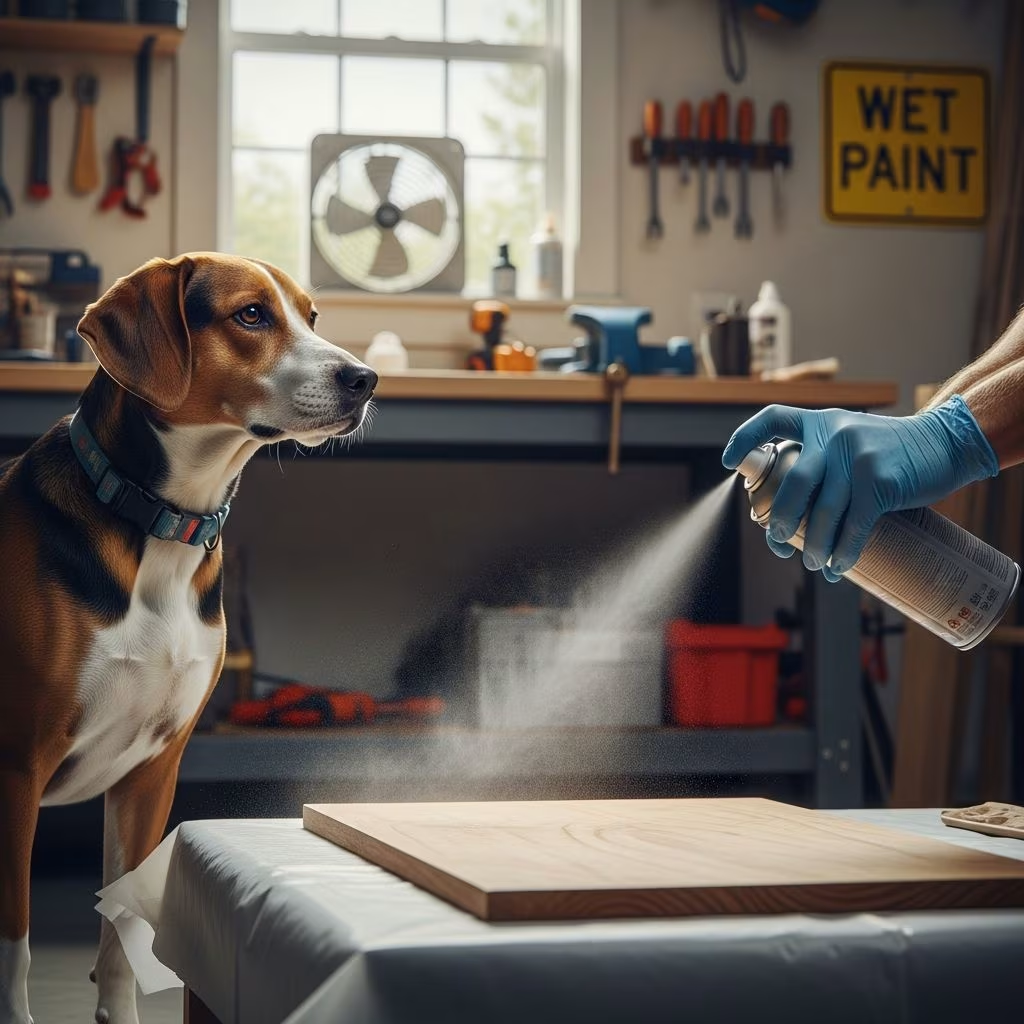
Spray paint poses notable risks to dogs through skin contact, inhalation of fumes, and accidental ingestion, but prompt action and precautions can minimize harm. Modern formulations are generally less toxic than older types, yet vigilance remains essential for pet safety.
Understanding Spray Paint Hazards for Canine Health
Dogs encounter spray paint in garages, during home renovations, or outdoor projects, leading to potential exposure via fur, paws, or respiratory system. Their heightened sense of smell amplifies fume sensitivity compared to humans, accelerating symptom onset.
Key dangers include:
- Fume inhalation: Volatile organic compounds (VOCs) irritate airways, causing coughing or breathing difficulties, especially in confined spaces.
- Skin and fur contact: Fresh paint can inflame skin or be licked off during grooming, risking gastrointestinal upset.
- Ingestion risks: Chewing painted surfaces or licking paws introduces toxins, with oil-based paints containing solvents that provoke vomiting or diarrhea.
While water-based paints typically cause mild issues like stomach discomfort, oil-based varieties may lead to respiratory distress or neurological effects in severe cases. Lead in pre-1978 paints, though rare today, demands extra caution in older structures.
Recognizing Signs of Spray Paint Exposure in Dogs
Early detection prevents complications. Monitor for these symptoms post-exposure:
| Symptom Category | Common Signs | Severity Level |
|---|---|---|
| Respiratory | Coughing, wheezing, rapid breathing | High – Seek immediate vet care |
| Digestive | Vomiting, diarrhea, drooling, appetite loss | Moderate – Monitor and hydrate |
| Neurological/Behavioral | Lethargy, dizziness (staggering, head tilting), confusion | High – Urgent evaluation needed |
| Skin/Paw | Redness, irritation, excessive licking | Low to moderate – Clean promptly |
Small breeds face heightened vulnerability due to lower body mass, where even minor exposures equate to larger relative doses. Prolonged fume contact may induce chronic issues like asthma or organ strain.
Immediate Response Protocols for Paint Contact
Act swiftly upon noticing paint on your dog:
- Isolate and assess: Move to fresh air, check for inhalation signs or large ingestions.
- Clean safely: Use lukewarm water and mild dish soap on fur or skin. Trim matted areas with clippers if needed, avoiding scissors to prevent cuts.
- Avoid hazards: Never induce vomiting, as aspiration into lungs worsens outcomes. Skip solvents or thinners without vet approval.
- Observe 24-48 hours: Track behavior, eating, and elimination. Hydrate with water; offer bland foods like boiled rice and chicken for mild tummy upset.
For ingestion, even small amounts warrant vet consultation, particularly if symptoms emerge. Dial a vet hotline for tailored guidance.
Types of Spray Paints and Their Pet Toxicity Levels
Not all paints equate equal risk:
- Water-based (latex): Lowest toxicity; mainly causes GI upset. Rare ethylene glycol traces pose kidney risks only in massive quantities.
- Oil-based: Higher danger from solvents; inhalation leads to breathing issues, ingestion to diarrhea or aspiration pneumonia.
- Lead-containing (legacy): Banned in the US post-1978 but persists in imports or old buildings; triggers anemia, seizures. Thumb-sized chip poisons small dogs.
- Aerosol specifics: Fine mist heightens fume and airborne particle inhalation during spraying.
Pet-safe alternatives exist, like low-VOC or natural mineral paints, ideal for homes with dogs. Verify labels for ‘pet-friendly’ or zero-VOC claims backed by testing.
Prevention Strategies for Dog Owners During Painting
Proactive measures safeguard pets:
- Relocate pets: Board or kennel dogs during projects; return only after 48-72 hours post-drying for VOC dissipation.
- Ventilate thoroughly: Open windows, use fans to expel fumes; avoid enclosed spaces.
- Secure storage: Lock cans away from curious noses; clean spills instantly.
- Choose wisely: Opt for quick-dry, low-odor formulas; test small areas first.
- Post-project checks: Inspect yard or home for drips; restrict access until cured.
During garage use, confine dogs indoors. Long-term, low-VOC exposure links to reduced cancer and respiratory disease risks in animals.
Veterinary Interventions and Recovery Outlook
Most exposures resolve with home care, but vets intervene for:
- Symptomatic relief: Anti-emetics, GI protectants, fluids for dehydration.
- Hospitalization: Oxygen for respiratory distress; chelation therapy for lead cases.
- Diagnostics: Bloodwork for toxins, X-rays for aspiration pneumonia.
Prognosis excels with early treatment; full recovery typical barring lead or massive ingestion. Pets signal household lead risks, prompting human checks.
Common Myths About Paint and Pets Debunked
- Myth: All modern paints are harmless. Reality: Fumes and solvents persist as irritants.
- Myth: Trimming fur with scissors is fine. Reality: Risks skin cuts; use clippers.
- Myth: Symptoms always immediate. Reality: Delayed onset possible, up to days.
FAQs: Spray Paint and Dogs
What if my dog licks dried spray paint?
Prevent further access; watch for vomiting or lethargy. Small amounts rarely severe, but consult vet if concerned.
Are paint fumes worse for puppies?
Yes, their developing systems amplify toxicity; extra isolation advised.
How long do paint fumes linger?
VOCs persist weeks; ventilate and delay pet re-entry.
Can I use baby oil to remove paint from fur?
Avoid without vet OK; stick to soap and water to prevent added irritation.
Is there truly pet-safe spray paint?
Low-VOC options minimize risks; check certifications.
Equipping yourself with this knowledge ensures dogs stay safe amid painting activities. Prioritize prevention and swift response for peace of mind.
References
- My dog came into contact with spray paint at the garage — Dial A Vet. 2023-10-15. https://www.dialavet.com/vet-answers/dog-sprayed-paint-contact-36914
- Paint and Varnish Poison Alert for Dogs and Cats — VCA Animal Hospitals. 2024-05-20. https://vcahospitals.com/know-your-pet/paint-and-varnish-poison-alert-for-dogs-and-cats
- Are Paint Fumes Bad for Dogs? What Dog Owners Need to Know — Nelson Greer Painting. 2023-08-12. https://www.nelsongreerpainting.com/general/are-paint-fumes-bad-for-dogs/
- Symptoms your pet is being affected by paint fume poisoning — Little Knights. 2024-02-28. https://www.little-knights.co.uk/blogs/news/symptoms-your-pet-is-being-affected-by-paint-fume-poisoning
- Which Spray Paint isn’t Toxic to Your Pets? — SANVO Chemicals. 2023-11-05. https://www.sanvochemicals.com/which-spray-paint-isnt-toxic-to-your-pets/



