

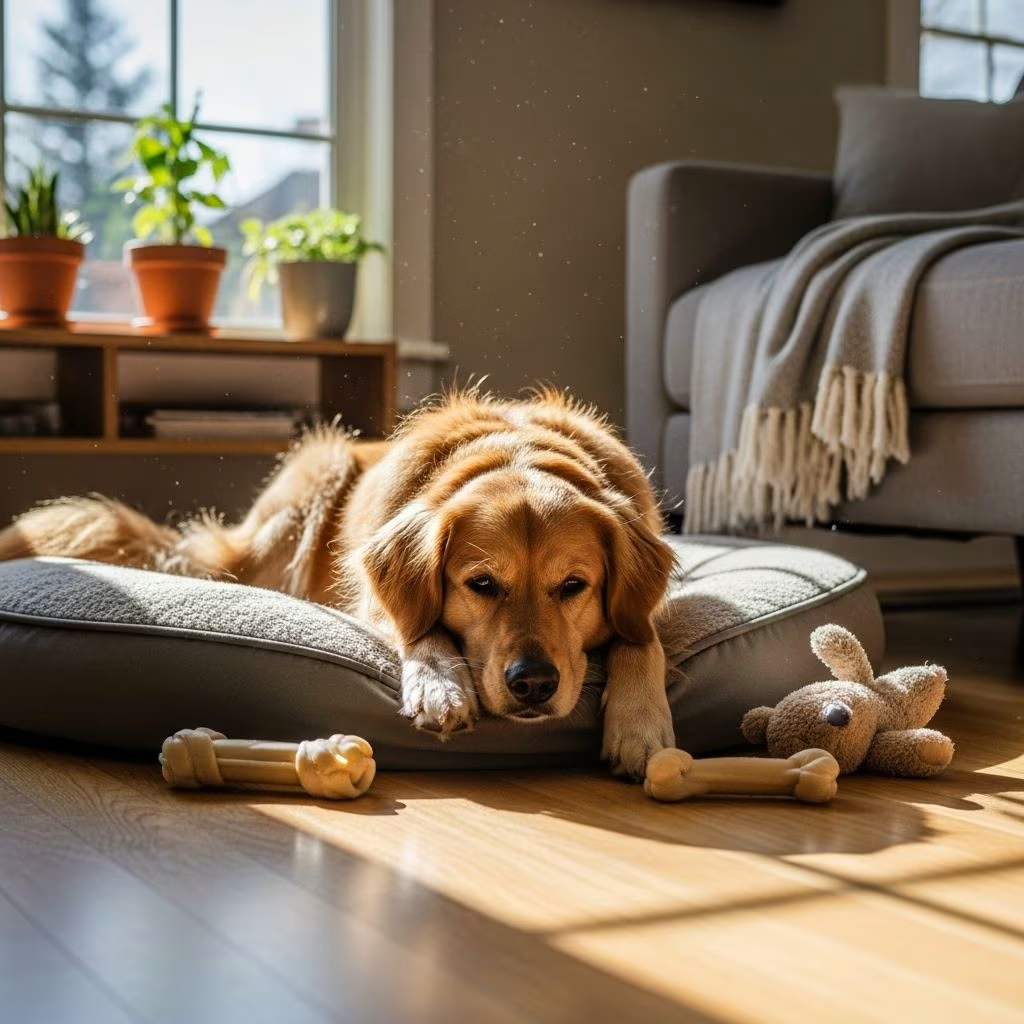
Transitioning a new dog to spending time alone requires patience, preparation, and positive reinforcement techniques. This guide outlines practical methods to build your dog’s independence, minimize stress, and maintain a secure environment during your absences.
Understanding Your Dog’s Readiness for Independence
New dogs, especially puppies, often struggle with solitude due to their pack-oriented nature. Adult rescues may carry past experiences that heighten separation concerns. Recognizing signs of readiness—such as reliable house training and calm behavior during short separations—is crucial before extending alone time.
- Observe reactions to brief absences like room changes or short errands.
- Note destructive behaviors or vocalizations as indicators of distress.
- Consult a veterinarian to rule out underlying health issues mimicking anxiety.
Gradual exposure prevents overwhelming your pet, fostering long-term confidence.
Creating a Secure and Comforting Space
A dedicated area minimizes risks and provides familiarity. For puppies under six months, limit access to prevent accidents and hazards.
| Space Type | Pros | Cons | Best For |
|---|---|---|---|
| Crate | Promotes security; aids housebreaking | Overuse causes stress | Puppies, short periods |
| Proofed Room | More space; easy cleanup | Requires thorough securing | Older puppies, adults |
| Gated Area | Flexible access | Monitoring needed initially | Medium-sized dogs |
Essential setups include fresh water, durable toys, and comfortable bedding. Tile or linoleum floors simplify cleaning.
Essential Puppy-Proofing Measures
Eliminate dangers to ensure safety. Common hazards include cords, small objects, and toxic substances.
- Secure cabinets with childproof latches for cleaners and medications.
- Tuck away electrical cords and cover outlets.
- Remove chewable items like remotes, shoes, or plants.
- Store trash in lidded bins.
Conduct a walkthrough simulating your absence to identify overlooked risks.
Mastering Crate Training for Confident Confinement
Crates mimic a den, offering a safe retreat when introduced properly. Start with positive associations through meals and treats inside.
- Feed meals in the crate with the door open.
- Encourage voluntary entry with toys.
- Close the door briefly while present, extending duration gradually.
- Practice alone time in 1-5 minute increments, rewarding calm behavior.
Avoid using the crate for punishment. Limit daily crate time to 4-6 hours for adults, less for puppies, balancing with exercise.
Gradual Desensitization: Building Tolerance Step-by-Step
Sudden long absences provoke anxiety. Employ progressive training to normalize departures.
- Begin with 1-minute outings, returning before distress.
- Increment by 5 minutes, varying routines to prevent cues.
- Incorporate daily practice during low-stress periods.
- Ignore greetings upon return to downplay absences.
Progress depends on your dog’s response; regress if whining or destruction occurs. Reward relaxation with treats or praise.
Role of Exercise and Mental Stimulation
A tired dog is a content dog. Pre-departure activity reduces pent-up energy.
- Walk 30-60 minutes before leaving, allowing potty breaks.
- Provide puzzle toys or treat-dispensing balls for engagement.
- Rotate toys to maintain novelty.
Familiar scents, like worn clothing, offer comfort via their superior sense of smell.
Recognizing and Addressing Separation Anxiety
Persistent issues manifest as howling, pacing, or elimination. Early intervention prevents escalation.
| Symptom | Possible Cause | Initial Response |
|---|---|---|
| Excessive barking | Boredom or fear | Increase enrichment |
| Destruction | Frustration | Enhance exercise |
| House soiling | Anxiety | Vet check; desensitization |
Severe cases warrant professional trainers or veterinarians for behaviorists or medication.
Professional Support Options
For extended workdays, enlist help to break up alone time.
- Dog Walkers: Midday exercise and socialization; ideal post-vaccination.
- Pet Sitters: Check-ins for potty and play.
- Daycare: Group settings for energetic dogs.
Introduce services gradually during training phases.
Age-Appropriate Alone Time Guidelines
Durations vary by maturity and bladder control.
- Puppies (8-12 weeks): 1-2 hours max.
- 3-6 months: 3-4 hours.
- Adults: 6-8 hours with breaks.
Monitor via pet cameras for adjustments.
Daily Routines for Smooth Transitions
Consistency reinforces security. Maintain feeding, play, and sleep schedules.
- Morning exercise before departure.
- Small meal pre-exit to settle stomach.
- Evening decompression without fanfare.
Pet cameras provide peace of mind, dispensing treats remotely.
Frequently Asked Questions
Can I leave my 8-week-old puppy alone?
No, puppies this young need frequent potty breaks every 1-2 hours. Use crate training but never for full workdays.
What if my dog cries when crated?
Shorten sessions and build positive associations. Comfort verbally without releasing.
Is it okay to use music or TV for company?
Yes, calming sounds or dog-specific audio can soothe, but pair with training.
How long until my rescue dog adjusts?
Weeks to months; patience and consistency are key.
Should I punish bad behavior upon return?
No, it heightens anxiety. Focus on prevention and rewards.
Long-Term Independence Strategies
Once reliable, expand access room-by-room. Continue occasional crate use for vet visits or travel. Regular vet checkups monitor progress.
Invest in durable enrichment like Kong toys filled with frozen kibble. Socialization with trusted visitors eases sitter transitions.
References
- Tips for Leaving Puppy Home Alone for The First Time — Germantown Animal Hospital. 2023-11-15. https://www.germantownah.com/site/blog-memphis-vet/2023/11/15/leaving-puppy-alone
- Tips for Leaving Your New Dog Home Alone — Hill’s Pet Nutrition. N/A. https://www.hillspet.co.id/dog-care/new-pet-parent/leaving-your-new-dog-home-alone
- Tips For Leaving Your Puppy Alone For The First Time — Clackamas Pet Clinic. 2023-12-30. https://www.clackamaspetclinic.com/site/blog/2023/12/30/leave-puppy-alone
- Home Alone Checklist — Guide Dogs. N/A. https://www.guidedog.org/PuppyRaising/PuppyRaiserManual/HouseBehavior/Home_Alone_Checklist.aspx
- Training your dog to be left alone — RSPCA. N/A. https://www.rspca.org.uk/adviceandwelfare/pets/dogs/training/leftalone
- Tips for Leaving Your Pets Home Alone — Shackleford Vet Clinic. N/A. https://www.shacklefordvetclinic.com/dog-care/tips-for-leaving-your-pets-home-alone
- Tips For Leaving Your Dog Home Alone — Pet Doctors of America. 2022-09-15. https://www.petdoctorsofamerica.com/site/blog/2022/09/15/dog-alone



