

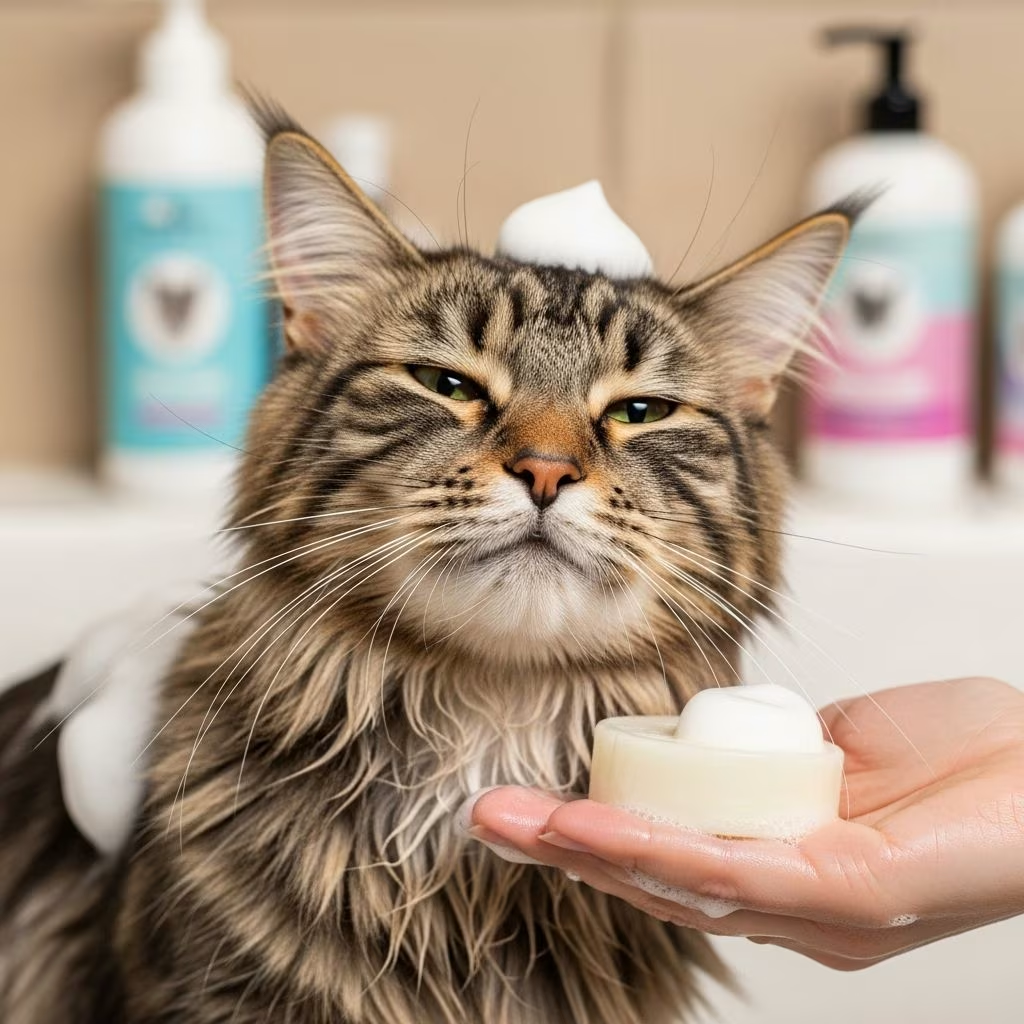
Cats possess delicate skin with a neutral pH around 6-7.5, differing significantly from human skin’s acidic pH of 5.5, making human soaps like Dove unsuitable and potentially harmful.
Why Feline Skin Demands Special Care
A cat’s skin barrier relies on natural oils and a specific pH to fend off infections and maintain hydration. Human products disrupt this balance, leading to dryness, irritation, and increased allergy risks. Veterinary dermatologists stress that repeated exposure strips protective sebum, prompting overproduction and odor issues.
Cats groom themselves by licking, ingesting any residues. Harsh chemicals in soaps can cause gastrointestinal upset or toxicity. Sensitive felines may develop contact dermatitis, manifesting as redness, itching, or hair loss.
Dangers of Human Soaps on Cats
Products like Dove contain moisturizers, fragrances, and sulfates tailored for human scalps, which are too aggressive for cats. These strip essential oils, causing flaky skin mistaken for dandruff—actually greasy buildup needing proper cleansing.
| Human Soap Feature | Impact on Cats |
|---|---|
| Acidic pH (4.5-5.5) | Disrupts neutral feline pH, leading to irritation and dryness |
| Fragrances & Dyes | Triggers allergies; cats ingest via grooming |
| Sulfates (e.g., Sodium Lauryl Sulfate) | Over-cleanses, removes protective oils, risks eye damage |
| Moisturizers like Shea Butter | Can clog pores or cause greasiness in cats |
Dish soaps, while effective for oil spills, exacerbate these issues by aggressively degreasing skin, leaving it vulnerable to bacteria and yeast.
Veterinarian-Approved Bathing Alternatives
When cat shampoo is unavailable, opt for gentle substitutes sparingly.
- Mild, Fragrance-Free Baby Shampoo: Dilute 1:10 with water; closest pH match but rinse meticulously to avoid residue.
- Diluted Dish Soap (Last Resort): 1 tsp mild, plant-based soap per cup of water; use once, followed by thorough rinsing.
- Olive or Coconut Oil: For sticky messes only—apply sparingly, comb out, no rinsing needed.
Always test a small area first and monitor for reactions like excessive scratching.
Optimal Cat Shampoos: What to Select
Choose soap-free, hypoallergenic formulas designed for pets. Look for pH-balanced (6.5-7.5), dye-free, and fragrance-free options.
- Hypoallergenic pet shampoos for routine use.
- Medicated variants for fleas, allergies, or infections (vet-prescribed).
- Oatmeal-based for soothing itchy skin.
Weekly baths suit hairless breeds or those with skin conditions; most cats need them quarterly.
Waterless Grooming: Effective No-Bath Solutions
Waterless options suit water-averse cats, seniors, or travel. Contrary to myths, they don’t fully clean greasy coats but excel for spot treatment.
- Wipes: Hypoallergenic, aloe-infused for paws and faces.
- Sprays/Foams: Brush through to distribute; temporary odor control.
- Dry Powders: Absorb oils but require vacuuming; avoid if cat licks excessively.
Professionals note waterless products mask issues without resolving dandruff or mats—full baths remain superior for deep cleans.
Step-by-Step Guide to Bathing Your Cat Safely
- Prepare Setup: Lukewarm water (100°F), non-slip mat, towels, and cat-safe shampoo.
- Brush First: Remove loose fur to prevent clumping.
- Wet Gradually: Use a pitcher or handheld sprayer; avoid head initially.
- Lather Gently: Massage in small amounts, focusing on body; dilute shampoo.
- Rinse Completely: Residue causes itching—spend extra time here.
- Dry Thoroughly: Towel pat, low-heat blow-dry if tolerated; keep warm.
To reduce stress, confine to sink, offer treats, and keep sessions under 10 minutes.
Recognizing and Preventing Skin Problems
Post-bath vigilance is key. Signs of trouble include bald patches, scabs, or lethargy—consult a vet promptly. Preventive grooming involves regular brushing, diet rich in omega-3s, and humidity control.
For chronic issues, flea preventives and allergy testing help. Hairless cats require more frequent baths due to oil buildup.
Common Myths About Cat Bathing Debunked
- Myth: Cats Never Need Baths. Reality: Long-haired, outdoor, or medical cases benefit.
- Myth: Waterless Cleans as Well as Wet Baths. Reality: Only surface-level; grease persists.
- Myth: Baby Products Are Always Safe. Reality: Only unscented, diluted versions.
Frequently Asked Questions
Is Dove Soap Toxic to Cats?
Not acutely toxic but irritates skin due to pH and additives; avoid entirely.
How Often Should I Bathe My Cat?
1-4 times yearly for most; more for specific breeds or conditions.
Can Vinegar Clean Cats?
Diluted for flea rinse only—not a shampoo substitute; vet approval needed.
What If My Cat Hates Water?
Use waterless wipes or professional grooming; desensitize gradually.
Best Shampoo for Sensitive Cats?
Soap-free, oatmeal, or vet-recommended hypoallergenic.
Long-Term Feline Grooming Strategies
Integrate brushing (3-5x weekly), nail trims, and ear cleaning into routines. Nutrition impacts coat health—consider fish oil supplements after vet consult. Monitor for obesity, as it hinders self-grooming. Professional groomers handle tough cases safely.
Investing in quality tools like slicker brushes and enzymatic wipes sustains cleanliness without frequent baths.
References
- Cat Safe Bath Alternatives — Dial A Vet. 2023. https://www.dialavet.com/vet-answers/post/cat-safe-bath-alternatives-48511
- Waterless Shampoo for Cats — National Cat Groomers Institute. 2022. https://nationalcatgroomers.com/blogs/cat-grooming-training/waterless-shampoo-for-cats
- Shampoo For Your Pet – Which to Use and NOT Use — Preventive Vet. 2024. https://www.preventivevet.com/pets/dog-and-cat-shampoo-which-to-use
- How To Wash A Cat Without Cat Shampoo — Cats.com. 2023. https://cats.com/how-to-wash-a-cat-without-cat-shampoo
- 10 Safe and Effective Grooming Products for Dogs and Cats — Pets Plus Mag. 2024. https://petsplusmag.com/10-safe-and-effective-grooming-products-for-dogs-and-cats/



