

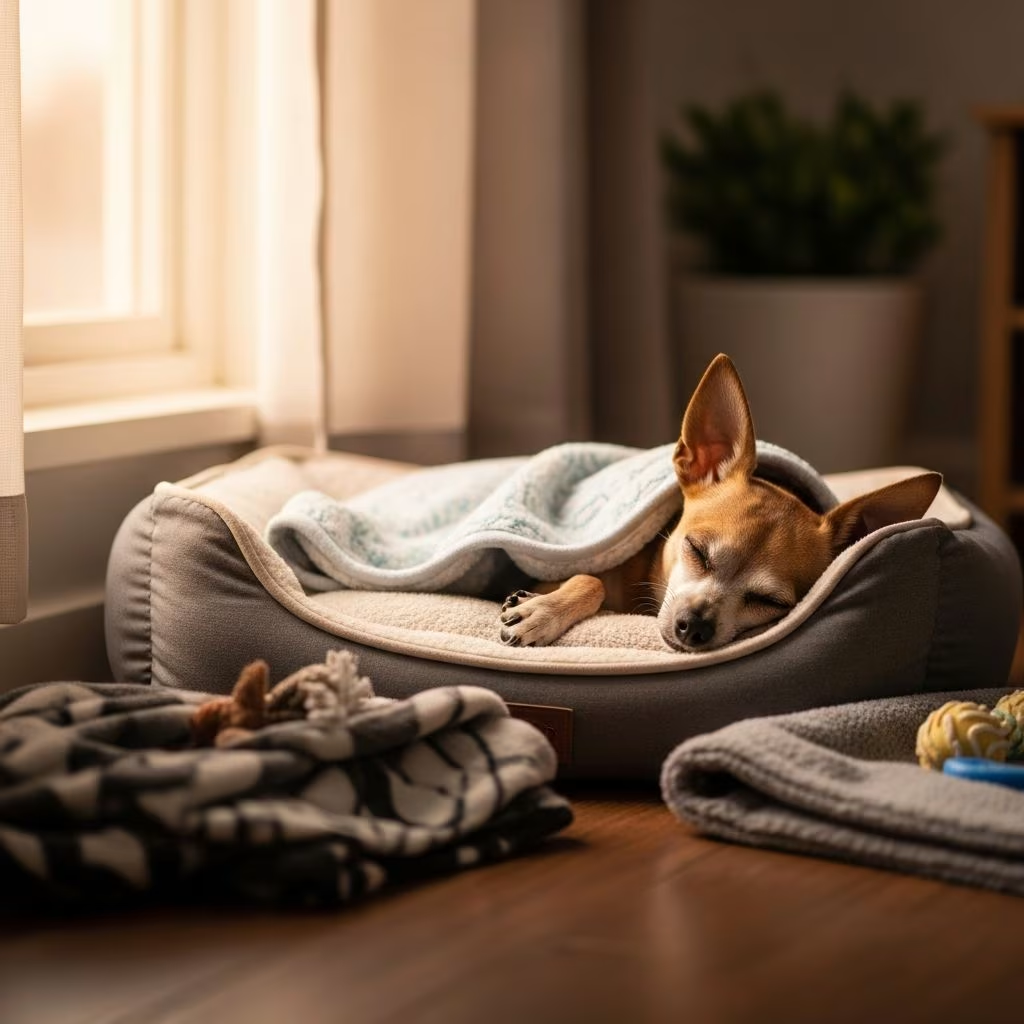
Small dogs, with their delicate frames and unique vulnerabilities, require special attention when it comes to creating a safe sleeping environment. Unlike larger breeds, small dogs like Chihuahuas, Pomeranians, and Yorkshire Terriers face heightened risks such as falls from heights, overheating, and accidental injuries during rest. Ensuring a secure sleep setup not only promotes better rest for your furry companion but also prevents potential health issues. This guide covers everything from selecting the appropriate bed to monitoring environmental factors, drawing on veterinary insights and pet care best practices.
Why Sleep Safety Matters for Small Dogs
Small dogs spend up to 12-14 hours a day sleeping, making their rest area a critical part of their daily routine. Poor sleep environments can lead to injuries, disrupted rest cycles, and exacerbated health conditions common in toy breeds, such as hypoglycemia or joint issues. A safe sleep space supports physical health, reduces stress, and strengthens the bond between pet and owner by providing comfort and security.
For instance, small dogs often seek elevated sleeping spots mimicking their wild ancestors’ tree-perching habits, but household furniture poses dangers like falls from beds or couches. Prioritizing safety means balancing their natural preferences with protective measures.
Choosing the Right Bed for Your Small Dog
Selecting an appropriate bed is foundational to safe sleep. Opt for orthopedic memory foam beds designed for small breeds, which provide joint support and prevent pressure points. Beds with bolsters or low walls offer a den-like security without high edges that could trap or injure.
- Size matters: Choose a bed where your dog can stretch out comfortably but can’t easily jump off. For dogs under 10 lbs, dimensions around 18×12 inches are ideal.
- Materials: Hypoallergenic, machine-washable fabrics reduce allergens and hygiene issues. Avoid loose fillings that could be ingested.
- Elevated options: Low-profile elevated cots (under 4 inches high) allow airflow and easy access, minimizing fall risks compared to high furniture.
Position the bed in a quiet, draft-free corner away from high-traffic areas to minimize disturbances. Gradually introduce the bed with treats and familiar blankets to encourage use.
Fall Prevention: A Top Concern for Small Dogs
Falls are a leading injury cause for small dogs, particularly from beds over 18 inches high. Their lightweight bodies (often under 15 lbs) make them prone to tumbling off edges during sleep twitches or position changes.
Key prevention strategies:
- Use bed guards or rails no higher than 6 inches to contain without confining.
- Opt for floor-level mattresses or playpens with mesh sides for active sleepers.
- Never allow unsupervised access to human beds, sofas, or lofts—small dogs can fall even from low heights, risking fractures.
| Bed Height | Risk Level for Small Dogs | Recommended Alternative |
|---|---|---|
| Under 6 inches | Low | Floor bed or low cot |
| 6-18 inches | Medium | With side bumpers |
| Over 18 inches | High | Avoid; use enclosed crate |
Monitor for signs of injury post-fall, such as limping or lethargy, and consult a vet immediately.
Temperature Control for Optimal Sleep
Small dogs have higher surface-area-to-body-mass ratios, losing heat faster and overheating easily. Ideal sleep temperature ranges from 68-72°F (20-22°C); deviations can cause hypothermia or heat stress.
- Winter tips: Provide self-warming mats or blankets, but avoid overheating with heated beds—set to low and monitor.
- Summer strategies: Cooling gel mats, fans, or chilled water bowls nearby. Short coats need less bedding.
- Signs of distress: Shivering, panting, or lethargy warrant immediate adjustment.
Brachycephalic small breeds like Pugs may require CPAP-like aids for breathing during sleep.
Co-Sleeping Pros and Cons with Small Dogs
Co-sleeping offers emotional benefits like reduced anxiety and stronger bonds but amplifies risks for small dogs.
Benefits:
- Enhanced security and oxytocin release for better sleep quality.
- Quick response to nighttime needs, fostering trust.
Drawbacks:
- Accidental rolling onto the dog, causing suffocation or injury.
- Hygiene issues from dander, especially for allergy sufferers.
- Dependency risks if not transitioned properly.
For safe co-sleeping, use a bedside crate or clipped harness system. Studies show 40% report no sleep disruption, with many noting improved rest from companionship.
Crate Training for Safe, Independent Sleep
Crates mimic dens, promoting bladder control and security. For small dogs:
- Select airline-approved crates sized for standing and turning.
- Place in your bedroom initially for proximity.
- Use gradual desensitization: short sessions building to overnight.
Avoid as punishment; cover three sides for coziness. Benefits include house-training success and travel readiness.
Breed-Specific Sleep Considerations
- Chihuahuas: Hypoglycemia-prone; keep honey nearby for crashes.
- Pomeranians: Luxating patellas need supportive bedding.
- Yorkies: Tracheal collapse; elevated heads aid breathing.
- Maltese: Tear staining from poor sleep; hypoallergenic covers essential.
Tailor setups to breed traits for preventive care.
Common Sleep Hazards to Avoid
Steer clear of electrical cords (chewing risk), toxic plants, and loose bedding. Secure windows to prevent jumps. Regularly vet-check for parasites disrupting sleep.
Creating a Sleep Routine
Consistent bedtime (last potty 1-2 hours prior), dim lights, and white noise aid circadian rhythms. Exercise earlier prevents hyperactivity.
Frequently Asked Questions
Is it safe for small dogs to sleep in my bed?
Yes, with precautions like low bedsides and supervision, but floor-level options reduce risks.
How can I stop my small dog from falling off the bed?
Use bumpers, low platforms, or crates; never high furniture.
What temperature is best for small dogs at night?
68-72°F; monitor for breed-specific needs.
Does co-sleeping cause separation anxiety in small dogs?
No evidence; it often alleviates it when boundaries are maintained.
What’s the best bed material for small dogs?
Orthopedic foam with washable, hypoallergenic covers.
Monitoring and Adjusting Your Dog’s Sleep Setup
Observe sleep patterns via pet cams. Adjust for age—puppies need frequent breaks, seniors joint support. Annual vet checks ensure ongoing safety.
In summary, safe sleep for small dogs involves thoughtful selection of low-risk bedding, temperature vigilance, and routine consistency, tailored to their size and breed.
References
- Should I Let My Puppy Sleep with Me? — Adopt a Pet. 2023-01-15. https://www.adoptapet.com/blog/behavior-training/should-i-let-my-puppy-sleep-with-me
- 9 Surprising Benefits of Sleeping with Your Dog (Science Explains!) — YouTube (Kinship reference). 2023-05-20. https://www.youtube.com/watch?v=Q4eE3bxuShI
- 13 Reasons You Should Let Your Dog Sleep in Your Bed — Kinship. 2024-02-10. https://www.kinship.com/dog-lifestyle/13-scientific-benefits-sleeping-your-dog
- The Effects of Your Dog Sleeping in Your Bed: Pros and Cons — Kinship. 2024-03-05. https://www.kinship.com/dog-behavior/effects-sleeping-with-dogs
- Co-sleeping with pets, stress, and sleep in a nationally representative U.S. sample — National Institutes of Health (PMC). 2024-03-12. https://pmc.ncbi.nlm.nih.gov/articles/PMC10918166/



