

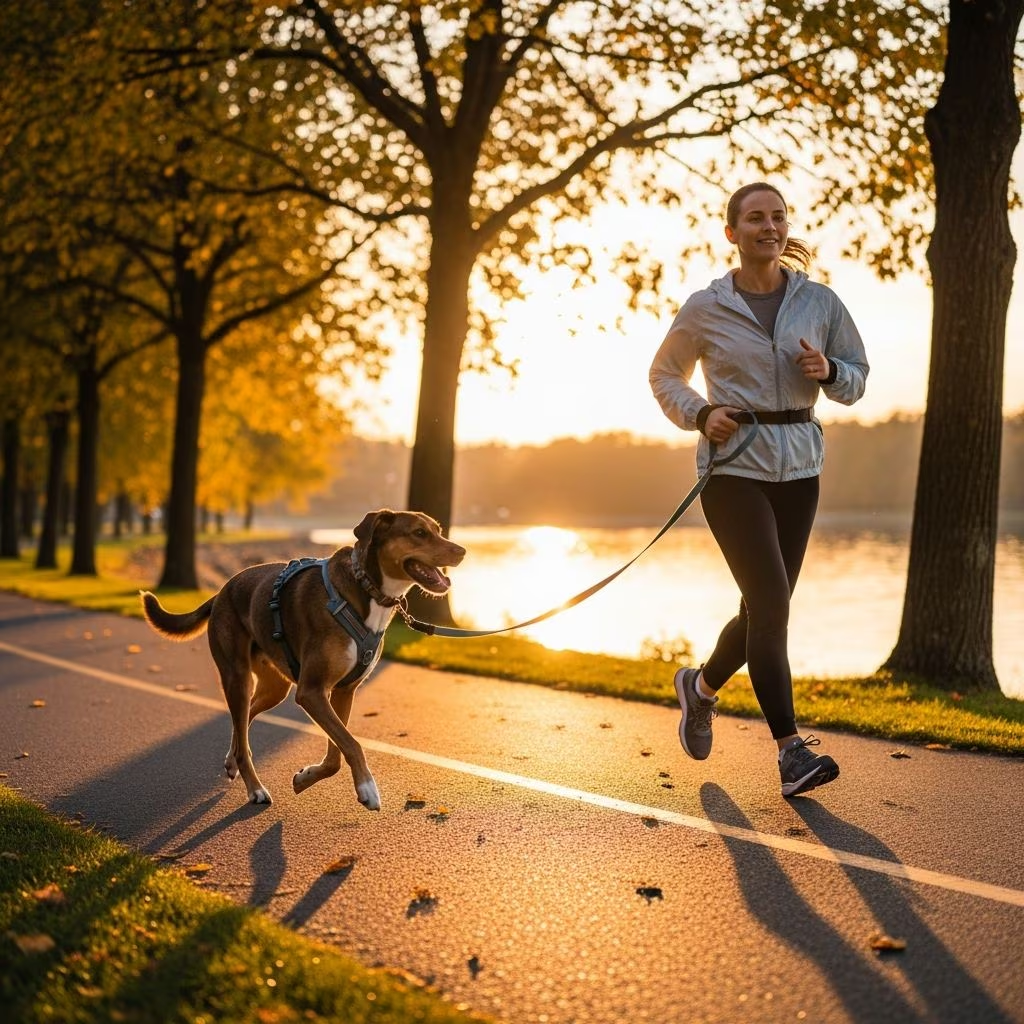
Running alongside your dog strengthens your bond while boosting both your fitness levels. However, it demands careful preparation to safeguard your pet’s health. This guide outlines key steps for enjoyable, risk-free runs.
Evaluating Your Dog’s Readiness for Running
Before starting any running routine, confirm your dog is physically prepared. A veterinary examination is essential to rule out underlying conditions like joint issues or heart problems. The American Veterinary Medical Association recommends consulting a vet prior to initiating exercise programs, especially for overweight dogs or those new to activity.
Observe your dog’s response to light exercise. Signs of unreadiness include labored breathing, limping, or quick fatigue. Breeds matter too: long-nosed dogs like Retrievers excel at running due to efficient breathing, while short-nosed breeds such as Pugs face risks from respiratory limitations.
- Schedule a full vet check-up.
- Test with short walks to gauge stamina.
- Consider age, breed, and past injuries.
Building Stamina Gradually
Rush into long runs at your peril—both of you could suffer injuries. Begin with brisk walks, progressing to short jogs over weeks. This approach prevents strains and builds endurance safely.
For high-energy dogs, master commands like “heel” and “stay” first. Practice loose-leash walking to establish control. Stop sessions while your dog remains eager to foster positive associations.
| Week | Activity | Duration |
|---|---|---|
| 1-2 | Brisk walks | 15-20 minutes |
| 3-4 | Walk-run intervals | 25-30 minutes |
| 5+ | Steady jogs | 30-45 minutes |
Selecting Optimal Gear
Proper equipment enhances safety and comfort. Opt for a 4-6 foot non-retractable leash to maintain control without tangling. Hands-free options with reflective strips suit low-light runs.
Skip collars; use a well-fitted harness to protect the neck and trachea. For paws, booties shield against rough terrain, and paw balms prevent cracking.
- Harness over collar.
- Short, sturdy leash.
- Collapsible water bowl and treats.
- Paw protection for hot/cold surfaces.
Pre-Run Warm-Up Routines
Warm-ups prepare muscles and joints, reducing injury odds. Allow 5-10 minutes for sniffing and loose exploration, followed by fetch or brisk walking. Practice commands to engage mentally.
This ritual signals run time and promotes better focus.
Choosing Safe Running Surfaces
Surface choice impacts joint health and paw integrity. Favor soft options like grass, dirt trails, or mulch over concrete or asphalt, which jar bones.
Test ground heat with your palm: if unbearable for 5 seconds, skip it. Avoid gravel, ice, or salted paths.
- ✅ Grass, dirt, sand (moderately).
- ❌ Asphalt (hot), concrete (hard), gravel (sharp).
Hydration and Heat Management
Dogs overheat faster than humans due to limited sweating. Run during cooler times—dawn or dusk—and carry water. Watch for excessive panting, red gums, drooling, or staggering.
At signs of distress, halt immediately, seek shade, and cool with room-temperature water on belly and paws. The RSPCA advises small water sips to avoid vomiting.
Monitoring During the Run
Stay vigilant for fatigue cues: slowing pace, limping, paw licking, or sudden stops. Adjust speed to match your dog’s, and incorporate walk breaks.
For off-leash threats, stop calmly, avoid eye contact, and use a firm “No!” or noise deterrent if needed.
Post-Run Recovery Practices
Cool down with walking and sniffing. Inspect paws for cuts or heat damage, then rinse and apply balm. Provide fresh water and a quiet rest spot.
Monitor for delayed issues like swelling, and ease next session’s intensity if needed.
Training Tips for Smooth Runs
Teach side-by-side running with a loose “J” leash shape. Reward calm behavior with treats. Practice in low-distraction areas first, gradually adding challenges.
Basic obedience prevents pulls and distractions.
Weather-Specific Guidelines
Tailor runs to conditions. In heat, shorten distances; in cold, protect paws from ice. Skip extremes altogether, opting for indoor play.
| Weather | Tips |
|---|---|
| Hot (>75°F) | Cool hours, frequent water, shade. |
| Cold (<30°F) | Booties, short runs, check frostbite. |
| Rainy | Trails to avoid slips, towel dry after. |
Common Mistakes to Avoid
- Ignoring breed limitations.
- Skipping vet approval.
- Retractable leashes.
- Hot pavement runs.
- No warm-up/cool-down.
FAQs
Which dogs suit running best?
Athletic breeds like Labs or Huskies thrive, but all can with gradual training. Consult a vet for brachycephalic types.
How often should we run?
3-5 times weekly, starting short. Listen to your dog’s cues.
What if my dog limps mid-run?
Stop, rest, and inspect paws/joints. Vet if persists.
Can puppies run?
No until growth plates close (around 1 year); stick to walks.
How to handle off-leash dogs?
Stop, stand firm, no eye contact, use noise if approaching.
Benefits of Joint Running
Beyond fitness, it reduces behavioral issues in energetic dogs and combats obesity. Shared activity deepens companionship.
References
- Run, Spot, Run! — American Veterinary Medical Association. 2023-10-15. https://www.avma.org/resources/pet-owners/petcare/run-spot-run
- Running and Exercising with Your Dog — Blue Cross. 2024-05-20. https://www.bluecross.org.uk/advice/dog/running-with-your-dog
- How to Safely Go Running With Your Dog — PetMD. 2024-08-12. https://www.petmd.com/dog/general-health/how-to-safely-go-running-with-your-dog
- Best Friends: 5 Ways to Safely Run with Your Dog — San Francisco Marathon Blog. 2025-04-04. https://www.thesfmarathon.com/blog/2025/04/04/best-friends-5-ways-to-safely-run-with-your-dog/
- How to Run Safely With High-Energy Dogs — Columbus Dog Trainers. 2024-02-28. https://columbusdogtrainers.com/how-to-run-safely-with-high-energy-dogs-a-complete-guide-for-active-pet-parents/



