
Safe Running with Dogs: Expert Guide
Master essential strategies to run safely with your dog, preventing injuries and ensuring enjoyable workouts for both of you.
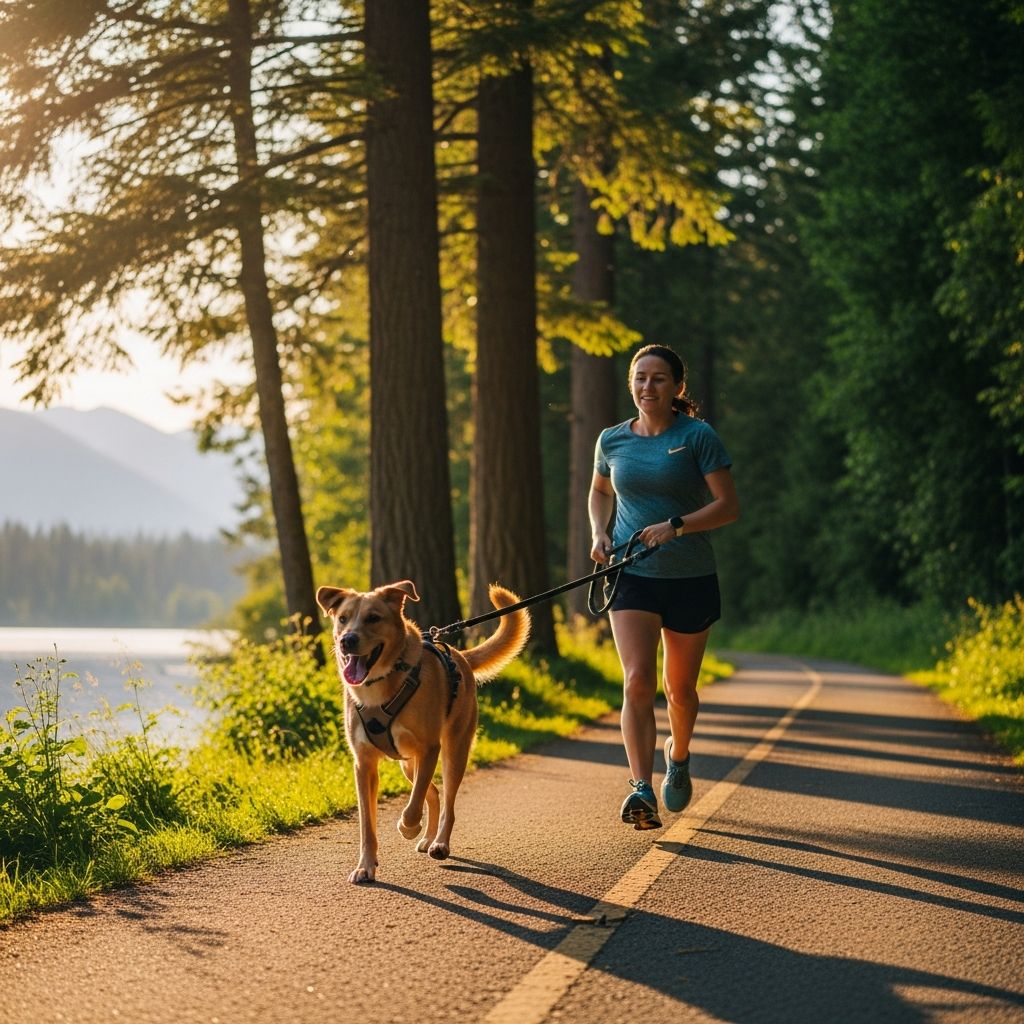
Running alongside your dog offers a fantastic opportunity to boost fitness levels for both of you while strengthening your bond. However, without proper precautions, it can lead to overheating, joint strain, or paw injuries. This guide provides actionable advice drawn from veterinary and fitness experts to help you create a sustainable running routine tailored to your dog’s needs.
Evaluating Your Dog’s Readiness for Running
Before lacing up your shoes, assess whether running suits your dog’s physical condition and breed characteristics. Not all dogs are built for endurance activities. Long-nosed breeds like Labrador Retrievers and Siberian Huskies typically excel due to their efficient breathing and stamina. In contrast, short-nosed or brachycephalic breeds such as Bulldogs, Pugs, and French Bulldogs face respiratory limitations that make prolonged running risky.
Age plays a critical role too. Puppies under one year old have developing bones and joints, so stick to gentle walks until skeletal maturity, usually around 12-18 months depending on the breed. Senior dogs over seven years may benefit from light jogging but require veterinary clearance to avoid exacerbating arthritis or heart issues.
Conduct a simple fitness test: Observe your dog during a brisk 20-minute walk. Signs of unreadiness include heavy panting after minimal effort, limping, or reluctance to continue. Consult a veterinarian for a pre-running checkup, especially if your dog has a history of injuries, surgeries, or chronic conditions.
Essential Gear for Secure and Comfortable Runs
Quality equipment prevents accidents and distributes pressure evenly. Opt for a 4-6 foot non-retractable leash to maintain control without restricting natural movement. Train your dog to run on your left side, keeping the leash in a loose ‘J’ shape to avoid tangles.
| Gear Type | Recommendations | Why It Matters |
|---|---|---|
| Harness | Front-clip design for better steering | Reduces neck strain compared to collars |
| Leash | 4-6 ft, durable nylon or rope | Prevents tripping and ensures safety |
| Collar Alternative | Avoid standard collars | Minimizes tracheal injury risk |
| Paw Protection | Booties or balm for hot/cold surfaces | Shields pads from burns and cracks |
A well-fitted harness is non-negotiable, as clipping to a collar can cause throat damage during sudden pulls. For hot weather, carry a collapsible water bowl and consider a cooling vest.
Building Stamina Gradually: A Step-by-Step Plan
Rushing into long runs invites injury. Begin with extended walks, gradually incorporating short jogging intervals. Week 1 might involve 10-minute walks with 1-minute jogs; progress by adding time weekly while monitoring fatigue.
- Week 1-2: 20-30 min walks with 2-3 short jog bursts
- Week 3-4: Increase jogs to 5 mins, total 40 mins
- Ongoing: Adjust based on dog’s enthusiasm and recovery
End sessions while your dog is still eager, fostering positive associations. Incorporate rest days—dogs need 1-2 per week—to allow muscle recovery.
Mastering Warm-Ups and Cool-Downs
These routines prepare muscles and joints, reducing strain. A 5-10 minute warm-up might include sniffing exploration, fetch, or brisk walking with obedience commands to engage mentally and physically.
For cool-downs, transition to a slow walk for 5-10 minutes, followed by paw inspections and small water sips at home. This prevents blood pooling and aids temperature regulation. Older or less fit dogs may need extended periods.
Choosing Ideal Terrains and Weather Conditions
Surface selection impacts joint health and paw integrity. Prioritize soft, natural paths like dirt trails, grass, or packed earth for cushioning. Avoid:
- Hot asphalt or concrete (test with 5-second hand press—if too hot for you, it’s too hot for paws)
- Gravel or rocky areas that cut pads
- Icy paths risking slips and frostbite
Run during cooler morning or evening hours, especially in summer. In winter, skip salt-treated roads that irritate paws. On trails, watch for hazards like thorns or wildlife.
Recognizing and Preventing Overheating
Dogs cool primarily through panting, making them prone to heatstroke. Warning signs include excessive drooling, red gums, unsteady gait, or vomiting.
Preventive measures:
- Carry water and offer frequent small drinks
- Run in shade; shorten sessions above 75°F (24°C)
- Apply cool water to belly and paws if needed (avoid ice)
- Brachycephalic breeds: Limit to walks only in warm weather
Heavy-furred dogs overheat faster—shave minimally if advised by a vet, but never fully.
Paw and Nail Maintenance for Endurance
Healthy paws are vital. Trim nails monthly to prevent cracking or slippage. Apply paw wax before runs for protection; use breathable booties on extreme surfaces. Post-run, rinse paws and check for cuts, swelling, or hot spots.
Training Techniques for Smooth Runs
Teach heel position on leash walks first, rewarding calm pacing. Practice in low-distraction areas before trails. Use treats to reinforce staying beside you, avoiding surges toward distractions. If off-leash areas are available, ensure recall training is solid.
Dealing with External Hazards
Encountering off-leash dogs? Slow to a walk, maintain distance, and use a firm ‘No!’ or air horn if approached. Run against traffic on roads for visibility. Scout routes for cyclists or wildlife.
FAQs
Can any dog run with me?
No—breed, age, and health determine suitability. Vet approval is essential.
How often should we run?
3-5 times weekly, with rest days, adjusting for fitness level.
What if my dog tires quickly?
Shorten sessions and build gradually; consider swimming as an alternative.
Is running good for overweight dogs?
Yes, but start slow under vet guidance to avoid joint stress.
When to stop running permanently?
If persistent limping, breathing issues, or vet recommendation occurs.
Benefits Beyond Fitness
Running enhances cardiovascular health, reduces obesity risks, and combats boredom-induced behaviors. It deepens your companionship through shared adventure.
References
- Best Friends: 5 Ways to Safely Run with Your Dog! — The SF Marathon. 2025-04-04. https://www.thesfmarathon.com/blog/2025/04/04/best-friends-5-ways-to-safely-run-with-your-dog/
- 10 Safety Tips For Running With Your Dog — Pets Plus Us. N/A. https://www.petsplusus.com/pet-information/lifestyle/10-safety-tips-running-your-dog
- Running With Dogs: 9 Essential Tips, Gear & Benefits — Pupford. N/A. https://pupford.com/blogs/all/running-with-dog
- Safety and gear: Tips for running with your dog — Juniper Pet. N/A. https://www.juniperpet.co/posts/safety-and-fun-tips-for-running-with-your-dog
- Running Safety: Off-Leash Dogs — Women’s Running Magazine. N/A. https://www.womensrunning.com/training/running-safety-off-leash-dogs/
Similar Articles








Read full bio of medha deb




