

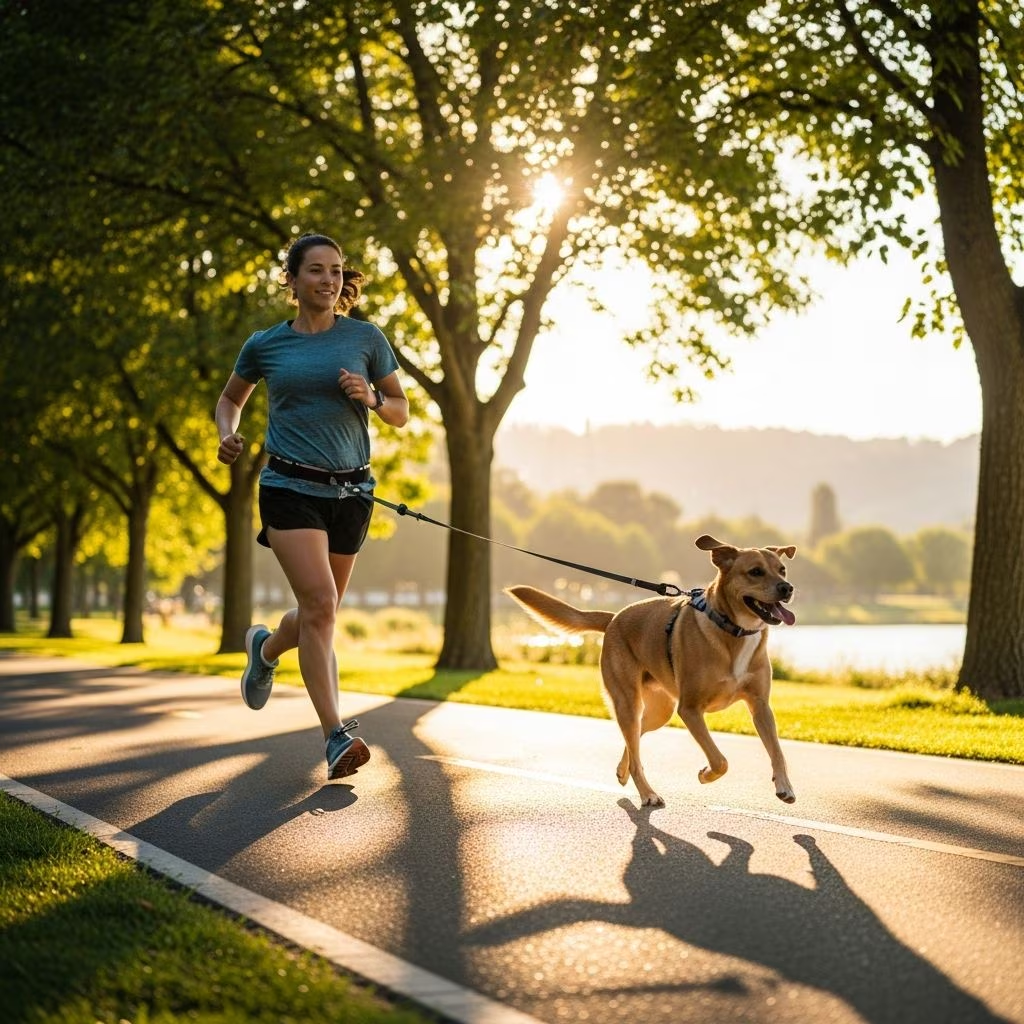
Running alongside your dog strengthens your bond while boosting fitness for both. Proper preparation ensures these outings remain enjoyable and free from harm.
Evaluating Your Dog’s Readiness for Runs
Before starting, confirm your dog’s physical condition suits endurance activities. Breeds with long snouts like Retrievers and Huskies excel due to efficient breathing. Short-nosed types such as Pugs and Boxers face respiratory limits that make extended runs risky.
Observe for breathing struggles during mild play, limping, or quick tiredness after brief efforts. Recent surgeries demand full healing periods. Overweight dogs benefit more from initial walking diets than sudden runs; consult vets for tailored plans.
- Schedule a veterinary exam to rule out joint issues or heart conditions.
- Test stamina with progressive walks before introducing jogs.
- Note age factors: puppies under 18 months risk growth plate damage, seniors need gentler paces.
Building Stamina Step by Step
Gradual progression prevents overuse injuries. Begin with familiar walks, enforcing loose-leash habits before accelerating.
Implement stop-when-pulling training: halt until slack returns, rewarding calm positioning with treats. Advance to trot intervals, mixing 1-minute runs with walks, extending as tolerance grows.
| Week | Activity | Duration |
|---|---|---|
| 1-2 | Brisk walks with stops | 20-30 min |
| 3-4 | Alternate walk/jog | 30-40 min |
| 5+ | Steady jogs | 40-60 min |
Monitor for fatigue signals like lagging or heavy breathing to adjust intensity.
Essential Pre-Run Routines
Warm-ups prepare muscles and joints, reducing strain. Skip them at your peril, unlike solo runs.
- 5-10 minutes of sniffing or fetch to loosen up.
- Brisk walking with command practice for mental focus.
Post-run cool-downs involve slowing to walks, paw inspections, and measured water sips to aid recovery.
Choosing Optimal Trails and Surfaces
Surface choice protects paws and joints. Softer options like dirt, grass, or trails absorb impact best.
Avoid asphalt in heat—test by holding your palm down for 5 seconds; if unbearable, skip it. Concrete jars joints, gravel cuts pads, and icy paths invite slips.
- Early mornings or evenings dodge peak temperatures.
- Winter salt irritates skin; booties shield against it.
Gear for Secure and Comfortable Runs
Proper equipment enhances control and safety. Opt for 4-6 foot non-retractable leashes to maintain proximity without excess slack.
Clip to harnesses, not collars, preventing tracheal damage during pulls. Train dogs to heel leftward, forming a loose ‘J’ in the leash for tangle-free motion.
Waist belts free hands; include reflective elements for dusk runs. Carry collapsible bowls, waste bags, and water.
Recognizing and Preventing Overheating
Dogs dissipate heat mainly through panting, making them vulnerable in warmth. Run cool hours only, providing frequent hydration breaks.
Warning signs demand immediate action: profuse drooling, red gums, unrelenting pants, wobbling, or vomiting.
- Seek shade, offer small water amounts.
- Apply cool water to abdomen and paws; avoid ice.
- In severe cases, vet intervention is critical.
Paw Protection Strategies
Pads endure friction and extremes. Pre-run balms moisturize; booties guard against burns or cuts.
Post-run checks reveal cracks or swelling. Watch for limping, paw licking, or avoidance of hard ground.
Handling Pullers and Leash Dynamics
Pulling dogs risk joint stress for both parties. Reinforce close-heeling from walks, using rewards for position maintenance.
Harnesses distribute force evenly; short leashes curb lunges. Consistent cues build reliable pacing.
Dealing with External Hazards
Off-leash encounters pose threats. Slow to walks, maintain distance, and project authority without engagement.
- Use firm ‘No!’ or noise deterrents like horns.
- Avoid leashed-dog proximity to prevent reactions.
Check local leash laws; off-leash zones suit trained pairs.
Breed Suitability Overview
| Breed Type | Strengths | Cautions |
|---|---|---|
| Long-nosed | Endurance, airflow | Minimal |
| Short-nosed | Short bursts | Overheat risk |
| Large breeds | Power | Joint wear |
| Small breeds | Agility | Short strides |
Nutrition and Hydration Essentials
Fuel runs with balanced meals timed hours before. Portable water prevents dehydration; small, frequent offerings avoid bloat.
Seasonal Adjustments
Summer demands dawn/dusk slots and shaded paths. Winter requires paw rinses from de-icers and layered warmth checks.
Long-Term Health Monitoring
Track weight, energy, and mobility post-runs. Annual vet checkups catch emerging issues early. Alternate with swims or hikes for variety.
Frequently Asked Questions
How far can I run with my dog?
Distances vary by fitness; start under 2 miles, building per tolerance signals.
What’s the best age to begin?
After 18 months for large breeds, post-vet approval for others.
Can all dogs run in heat?
No; brachycephalics and dark-coated ones overheat fastest—opt for cool times.
How often should we paw-check?
Every run, plus daily in harsh conditions.
What if my dog pulls constantly?
Train progressively with stops and harnesses before advancing.
References
- Best Friends: 5 Ways to Safely Run with Your Dog — San Francisco Marathon Blog. 2025-04-04. https://www.thesfmarathon.com/blog/2025/04/04/best-friends-5-ways-to-safely-run-with-your-dog/
- Six Safety Tips for Running with a Dog that Pulls — DOG iD. N/A. https://dogid.com/blogs/dogid/six-safety-tips-for-running-with-a-dog-that-pulls
- Running with Your Dog: Training, Safety, and Best Breeds — Los Angeles Times. N/A. https://www.latimes.com/companion-animals/advice/story/running-with-your-dog-training-safety-breeds
- How to Safely Go Running With Your Dog — PetMD. N/A. https://www.petmd.com/dog/general-health/how-to-safely-go-running-with-your-dog
- Running Safety: Off-Leash Dogs — Women’s Running Magazine. N/A. https://www.womensrunning.com/training/running-safety-off-leash-dogs/
- Run, Spot, Run! — American Veterinary Medical Association. N/A. https://www.avma.org/resources/pet-owners/petcare/run-spot-run
- Running with Your Dog: Tips for Safe and Enjoyable Miles — Runner’s Roost. N/A. https://runnersroostfc.com/running-with-your-dog-tips-for-safe-and-enjoyable-miles/



