

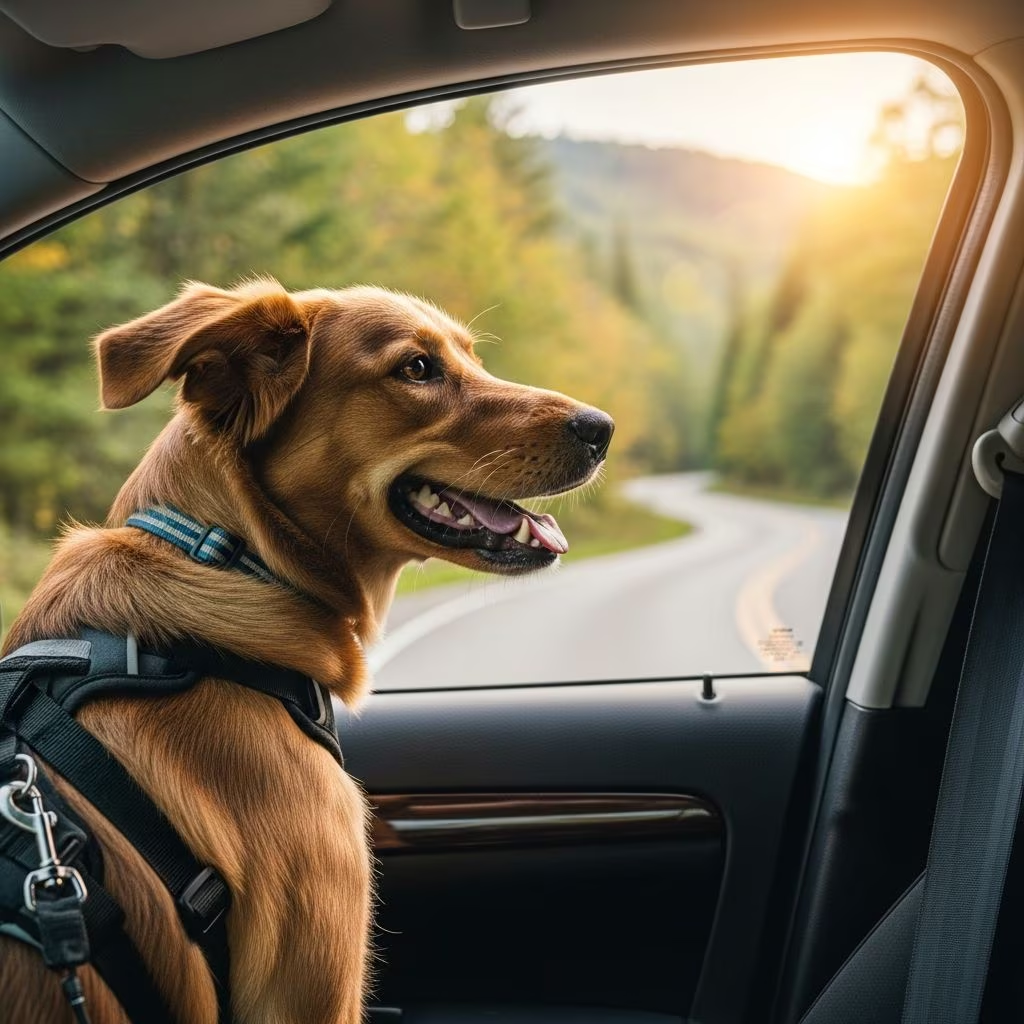
Traveling by car with your dog can create cherished memories, but it demands careful planning to protect both of you. Unrestrained pets pose risks like distractions or injuries in crashes, making proper restraints essential for everyone on the road.
Why Vehicle Safety Matters for Dogs
Dogs roaming freely in cars can interfere with driving, leading to accidents. Securing them reduces these dangers and complies with safety recommendations from veterinary experts. Airbags in front seats can harm pets, so positioning and restraint choices are critical.
Selecting the Right Restraint Options
Choose restraints based on your dog’s size and the trip length. Key options include harnesses, carriers, and barriers, each offering unique benefits.
- Crash-Tested Harnesses: These connect to seat belts, allowing limited movement while preventing ejection. Fit them snugly so the dog can sit, stand, or lie down without excess slack.
- Carriers and Crates: Ideal for small to medium dogs, secure them in the back seat or cargo area. Ventilation and padding enhance comfort on long drives.
- Seat Barriers: These metal or fabric dividers keep dogs in the back, mimicking police vehicle setups for larger breeds.
Always verify products meet safety standards; look for crash-testing certifications to ensure reliability in impacts.
Optimal Seating Positions
The back seat is the safest spot for dogs. Front-seat airbags deploy with force that can injure or kill pets. Surveys show many owners overlook this, with only a fraction consistently using the rear. Barriers prevent forward jumps, maintaining driver focus.
| Position | Pros | Cons | Best For |
|---|---|---|---|
| Back Seat | Away from airbags; more space | Less direct supervision | All dogs |
| Front Seat (Passenger, Airbag Off) | Easy monitoring | Airbag risk if active | Small dogs only |
| Cargo Area | Ample room for large dogs | Needs barrier or crate | Large breeds |
Preparing Your Dog for Car Travel
Start training early, ideally as a puppy, to build positive associations. Begin with short trips to familiar spots like parks, gradually extending duration. Exercise beforehand to tire them out, reducing restlessness.
- Practice harness wear at home for familiarity.
- Feed light meals before travel to avoid motion sickness.
- Pack water, bowls, and cleanup supplies.
Avoiding Common Hazards
Keep windows up to prevent heads out, which risks debris impacts or ejection. Unsupervised pets in parked cars face heatstroke risks—even mild days can heat interiors rapidly. Never leave dogs alone; temperatures rise 20 degrees in minutes.
For hot weather, use cooling mats; in cold, provide blankets. Regular breaks every 2-3 hours allow potty stops and stretching.
Legal and Insurance Considerations
Some areas require pet restraints; check local laws. Unrestrained animals contribute to crashes, potentially affecting insurance claims. Proper setup demonstrates responsible ownership.
Health Tips for Smooth Journeys
Monitor for motion sickness signs like drooling or vomiting; consult vets for anti-nausea meds if needed. Hydrate frequently but not excessively pre-drive. Update vaccinations and carry records for multi-state trips.
Long-Haul Travel Strategies
For extended drives, plan overnight stops at pet-friendly hotels. Alternate rest areas with walks to maintain calm. Use familiar toys or bedding for security.
Frequently Asked Questions
Can I let my dog ride in the front seat?
Only if the airbag is deactivated and a proper harness is used, but the back seat remains preferable.
What if my dog hates the harness?
Gradual desensitization with treats helps; start with short wear times indoors.
Is a leash enough in the car?
No; leashes don’t prevent flying in crashes. Use vehicle-specific restraints.
How often should I stop on long trips?
Every 2 hours for water, potty, and exercise to keep your dog comfortable.
What about cats in the car?
Similar rules apply: carriers prevent roaming near pedals.
Expert Training Techniques
Positive reinforcement works best. Reward calm behavior in the car with praise or treats. If anxiety persists, professional trainers can help with desensitization protocols.
For puppies, integrate car rides into daily routines. Older dogs may need more patience but adapt with consistency.
Gear Recommendations and Maintenance
Inspect harnesses regularly for wear; replace after accidents. Wash removable pads to control odors. Invest in multi-use items like harnesses doubling as walking gear.
Brands offering crash-tested options provide peace of mind; read reviews for fit across breeds.
References
- Keeping dogs safe while driving — Hurtta. Accessed 2026. https://hurtta.com/en/blogs/guides/keeping-dogs-safe-while-driving
- 7 Tips for Driving With Your Dog — Hart Road Animal Hospital. Accessed 2026. https://www.hartroadanimalhospital.com/services/dogs/blog/7-tips-driving-your-dog
- How to Keep Your Dog Comfortable During Car Rides — American Kennel Club (AKC). Accessed 2026. https://www.akc.org/expert-advice/travel/dog-comfortable-car-rides/
- Driving With Pets: Getting There Safely — Progressive. Accessed 2026. https://www.progressive.com/resources/insights/driving-safely-with-pets/
- 6 Tips for Driving with Pets on Vacation — Pet Food Institute. Accessed 2026. https://www.petfoodinstitute.org/6-tips-driving-pets-vacation/
- Traveling With Pets? Follow These Expert Dos and Don’ts — ASPCA. Accessed 2026. https://www.aspca.org/news/traveling-pets-follow-these-expert-dos-and-donts-keep-them-safe



