

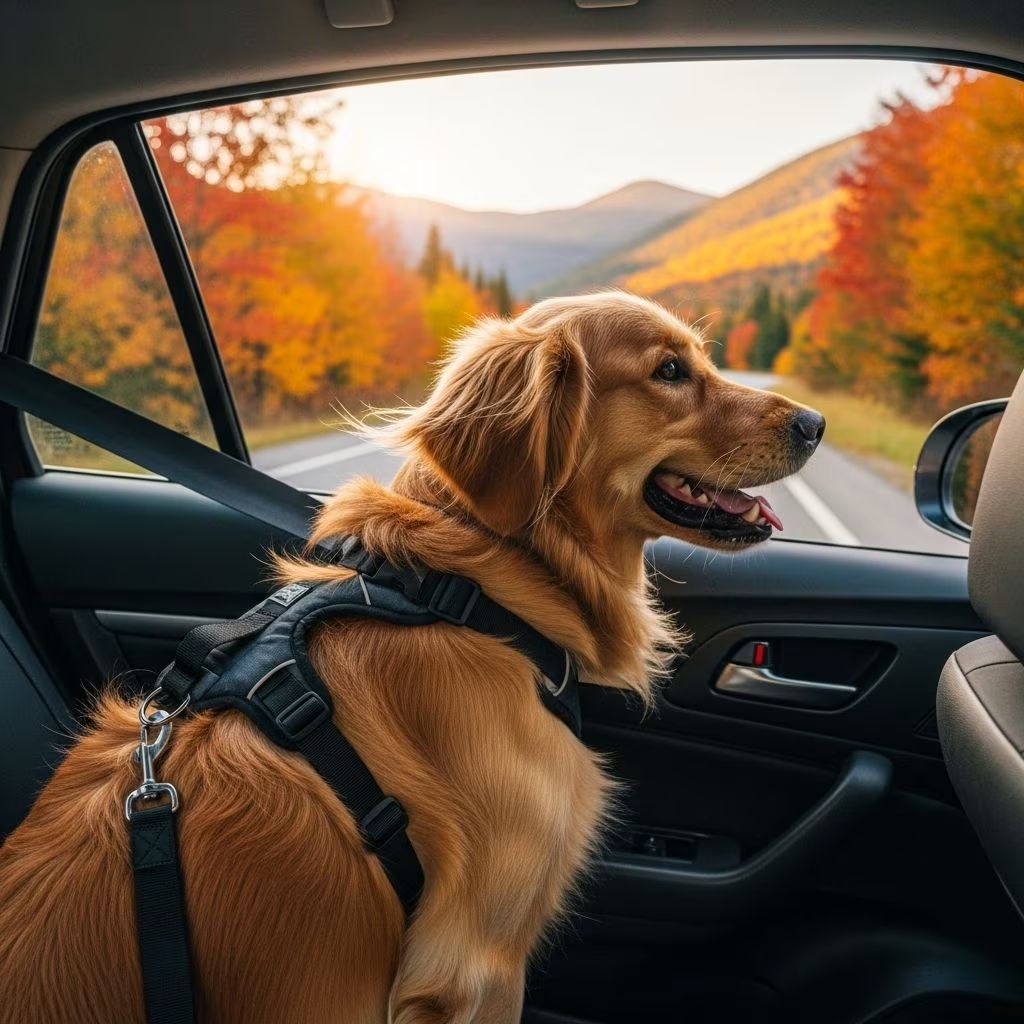
Traveling by car with your dog can create cherished memories, but it demands careful preparation to avoid accidents and distress. Proper restraints like crash-tested harnesses reduce injury risks during sudden stops or collisions by keeping pets secure. This guide explores equipment choices, behavioral training, environmental controls, and legal rules to make every journey secure.
Choosing the Right Restraint Systems
Selecting appropriate gear is the foundation of dog car safety. Harnesses outperform collars by distributing crash forces across the chest and shoulders, minimizing neck trauma. The Center for Pet Safety recommends crash-tested models from brands like Sleepypod, Kurgo, and Ruffwear, which have undergone rigorous impact simulations.
Combine harnesses with tethers clipped to vehicle seat belts for optimal restraint. This setup allows limited movement while preventing ejection. Seat hammocks or covers add stability, stopping dogs from sliding into footwells, especially useful for larger breeds.
| Restraint Type | Pros | Cons | Best For |
|---|---|---|---|
| Crash-Tested Harness + Tether | Proven collision protection; allows some mobility | May restrict active dogs | All sizes, daily drives |
| Hard-Sided Crate | Maximum security; contains pet fully | Takes space; less comfy for long trips | Anxious or small dogs |
| Seat Hammock | Prevents slipping; easy install | Not crash-tested alone | Medium dogs in backseats |
Crates and Carriers: The Ultimate Containment
Hard-sided crates secured to the vehicle offer top-tier protection, absorbing impacts better than soft options. Position them on the floor behind the front seats or in cargo areas for stability. Tether crates to anchor points to prevent shifting. Ventilation is crucial; ensure holes on multiple sides allow airflow without compromising strength.
For smaller dogs, airline-approved carriers work if fastened tightly. Avoid placing crates in truck beds unsecured, as sudden maneuvers can eject them—always tether firmly and check weather conditions.
Training Your Dog for Confident Car Rides
Acclimating your dog to car travel prevents anxiety and distractions. Begin with short sessions: introduce gear outside the vehicle using treats for positive associations. Progress to engine idling, then brief drives, rewarding calm behavior.
- Practice entry/exit routines: Leash before opening doors to curb bolting.
- Use verbal cues like “settle” for relaxation inside.
- Simulate stops at drive-throughs or stations to desensitize to external stimuli.
Release only after calmness; excited exits reinforce poor habits. Consistent practice builds habits, reducing stress for both pet and driver.
Managing the Car Environment
Control temperature extremes: Never leave dogs unattended in vehicles, as heat builds rapidly even in mild weather. Crack windows minimally; prohibit heads out to avoid eye injuries from debris or jumps.
Provide familiar bedding or toys for comfort. Schedule stops every 2-3 hours for water, walks, and potty breaks to maintain hydration and prevent motion sickness. Motion sickness aids like ginger treats can help sensitive pups.
Legal and Ethical Driving Rules
Many regions ban unrestrained pets, equating them to loose cargo hazards. Pickup truck bed riding is illegal in numerous states due to ejection risks during turns or stops. Fines and liability for accidents involving distracted drivers underscore compliance.
Insurers may deny claims if unsecured pets contribute to crashes. Prioritize backseats or cargo zones over front areas, activating child locks.
Addressing Common Challenges
Large dogs may overwhelm small vehicles; opt for SUV cargo areas with dividers. Restless pups benefit from tethers offering backseat roam without full front access. Clean gear regularly to prevent allergens buildup.
For multi-pet households, separate crates avoid fights. Monitor for signs of distress like panting or whining, pulling over promptly.
Frequently Asked Questions
Is a regular collar sufficient for car travel?
No—collars risk severe neck damage in impacts. Use harnesses exclusively.
Can dogs ride in truck beds safely?
Only in tethered, hard-sided crates during suitable weather; loose riding is dangerous and often illegal.
How do I stop motion sickness?
Acclimate gradually, fast before rides, use vet-approved meds, and ensure ventilation.
What’s the best spot in the car?
Backseat or cargo area, secured away from airbags.
Do I need crash-tested gear?
Yes—only these meet safety standards per experts like the Center for Pet Safety.
Long-Haul Travel Planning
For extended trips, map pet-friendly hotels and vets en route. Pack ID tags, vaccination records, and a first-aid kit with bandages and tweezers for ticks. Emergency contacts speed responses if issues arise.
Test full setups pre-trip: Load gear, drive locally, adjust fits. Wellness checks ensure no underlying conditions like heart issues exacerbate travel stress.
References
- Traveling With Your Dog in the Car? Follow These 6 Safety Tips — Chewy.com. 2023. https://www.chewy.com/education/dog/general/keeping-dog-safe-car
- Dog Car Safety 101: Stability vs. Restraint — Whisker Bark. 2024. https://whiskerbark.com/blogs/travel/dog-car-safety-101-stability-vs-restraint
- Dog Car Safety: Training Your Dog to Ride in the Car — American Kennel Club (AKC). 2025-02-10. https://www.akc.org/expert-advice/travel/dog-car-safety-training/
- Tools to Improve Dog Car Safety — Whole Dog Journal. 2024. https://www.whole-dog-journal.com/lifestyle/dog-gear/tools-to-improve-dog-car-safety/
- Buckle Up! How to Practice Good Car Safety for Pets — Oradell Animal Hospital. 2023. https://www.oradell.com/services/dogs/blog/buckle-how-practice-good-car-safety-pets
- How to Keep your Dog Safe & Comfortable while Traveling — Health Starts in the Kitchen. 2024. https://healthstartsinthekitchen.com/how-to-keep-your-dog-safe-in-the-car/
- Traveling With Pets? Follow These Expert Dos and Don’ts — ASPCA. 2025-01-15. https://www.aspca.org/news/traveling-pets-follow-these-expert-dos-and-donts-keep-them-safe



