

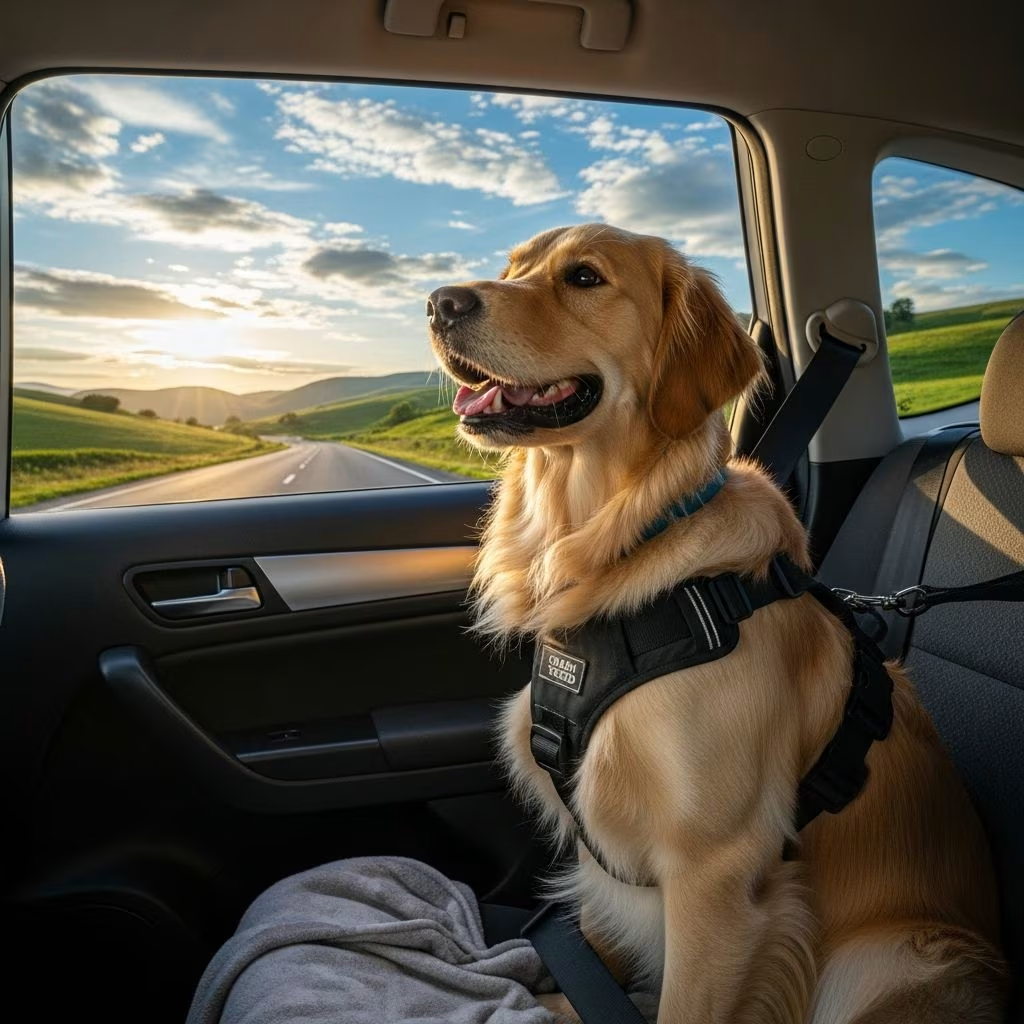
Traveling by car with your dog can create unforgettable bonding moments, but prioritizing safety is crucial to prevent injuries, distractions, and legal issues. Proper restraints like crash-tested harnesses or carriers, combined with regular breaks and preparation, make journeys secure for both pet and driver.
Why Restrain Your Dog During Drives
Unsecured dogs pose significant risks in vehicles. In a crash, an unrestrained pet can become a projectile, endangering all passengers, or cause driver distraction by moving freely.Crash-tested restraints are essential, mimicking human seat belts to keep dogs in place.
Regular car features like airbags are not designed for pets and may cause harm. Placing dogs in the back seat avoids front airbag deployment risks. Studies show restrained pets suffer fewer injuries in accidents.
- Reduces injury risk to humans and animals in collisions.
- Prevents pets from jumping into the driver’s area.
- Minimizes motion sickness by limiting movement.
Choosing the Right Restraint Options
Select gear based on your dog’s size, breed, and comfort level. Always opt for products tested for crash safety.
| Restraint Type | Best For | Key Features | Placement |
|---|---|---|---|
| Harness | Medium to large dogs | Attaches to seat belt; allows upright sitting | Back seat |
| Seat Belt Tether | All sizes with harness | Adjustable length; clips into buckle | Back seat |
| Hard-Sided Carrier | Small dogs or anxious pets | Ventilated; secures to seat | Back seat floor or seat |
| Crate | Crate-trained dogs | Padding inside; bolted secure | Cargo area if secured |
Harnesses provide better protection than collars, distributing force across the body. Carriers should allow standing, lying, and turning without touching the top. Avoid soft or wire crates, which can collapse on impact.
Acclimating Your Dog to Car Gear
Introduce restraints weeks before travel. Start with short sessions in a parked car, rewarding calm behavior with treats. Gradually increase time and add motion. This builds positive associations and tests fit.
- Practice buckling in at home.
- Use familiar bedding or toys inside carriers.
- Monitor for signs of discomfort like panting or whining.
Packing Essential Road Trip Gear
A well-stocked kit ensures readiness for any situation. Keep items accessible without unpacking fully.
- First Aid Kit: Bandages, antiseptic, tweezers for ticks, hydrogen peroxide for wounds.
- Spare Collar and Leash: Store extras in glove box for quick access if primary gets soiled.
- ID Tags and Microchip: Update contact info; tags speed reunions if lost.
- Water Bowl and Supplies: Collapsible bowls, bottled water to prevent giardia from public sources.
- Cleaning Items: Poop bags, towels, enzymatic cleaner for accidents.
- Comfort Items: Blankets, chew toys, anxiety wraps.
Planning Stops and Managing Comfort
Schedule breaks every 2-3 hours for exercise, hydration, and bathroom needs. Choose pet-friendly rest areas and always leash your dog.
- Walk briskly to expend energy and reduce anxiety.
- Offer water but avoid overfeeding to prevent nausea.
- Never leave dogs unattended in vehicles; interior temps rise rapidly, risking heatstroke even in mild weather.
For long hauls, map veterinary clinics along routes. Apps like BringFido help find pet-friendly hotels and parks.
Health Checks Before Hitting the Road
Visit your vet 1-2 weeks prior for exams, vaccinations, and parasite preventives. Discuss motion sickness meds if needed.
- Confirm rabies and bordetella shots are current.
- Pack medications in original bottles.
- Consider travel anxiety aids like pheromone diffusers.
Puppies under 12 weeks or seniors may need special care; consult on fitness for travel.
Navigating Legal Requirements by State
Pet restraint laws vary. Some states mandate securing dogs; others focus on trucks or distractions.
| State | Requirement |
|---|---|
| New Jersey, Rhode Island, Hawaii | Harness or crate required |
| California, Connecticut, Maine, etc. | Restrained in truck beds |
| Most others | No specific laws, but distraction rules apply |
Research routes via state DMV sites to comply. Fines can reach hundreds for violations.
Common Hazards and Prevention Tips
Beyond restraints, watch for these pitfalls:
- Heat/Cold Extremes: AC/heat must reach pets; never park unattended.
- Windows and Doors: Engage child locks; partial window cracks suffice for air.
- Distractions: Designate a spot to keep dogs settled.
- Emergencies: Know CPR basics; swaddle injured pets for transport.
FAQs
Can dogs ride in the front seat?
No, always use the back seat to avoid airbag injuries and distractions.
What’s the best restraint for small dogs?
Crash-tested carriers secured on the back seat floor work best.
How often should I stop on a dog road trip?
Every 2-3 hours for safety and comfort.
Are dog seat belts crash-tested?
Few are fully certified; pair with a harness for optimal protection.
Is it okay to let my dog hang head out the window?
No, it risks eye/ear injuries and debris inhalation; use vents instead.
Building Lasting Travel Memories Safely
With preparation, car trips become joyful adventures. Consistent training and quality gear turn wary pups into eager explorers. Prioritize safety to focus on the fun—scenic stops, playtime, and strengthening your bond.
References
- Pet safety in vehicles — American Veterinary Medical Association. 2023. https://www.avma.org/resources-tools/pet-owners/petcare/pets-vehicles
- Traveling With Pets? Follow These Expert Dos and Don’ts — ASPCA. 2024-07-15. https://www.aspca.org/news/traveling-pets-follow-these-expert-dos-and-donts-keep-them-safe
- The Safest Way to Travel with Dogs — Animal Humane Society. 2023. https://www.animalhumanesociety.org/resource/safest-way-travel-dogs
- Essential Road-Trip Safety Tips for Traveling With Your Dog — American Kennel Club. 2024. https://www.akc.org/expert-advice/health/dog-road-trip-safety/
- How To Travel With A Dog In A Car Safely — Safe in the Seat. 2023-08-20. https://www.safeintheseat.com/post/how-to-travel-with-a-dog-in-a-car



