Safe Road Trips with Dogs: Top Gear Guide
Discover proven tools and strategies to keep your dog secure, comfortable, and distraction-free during every car journey.
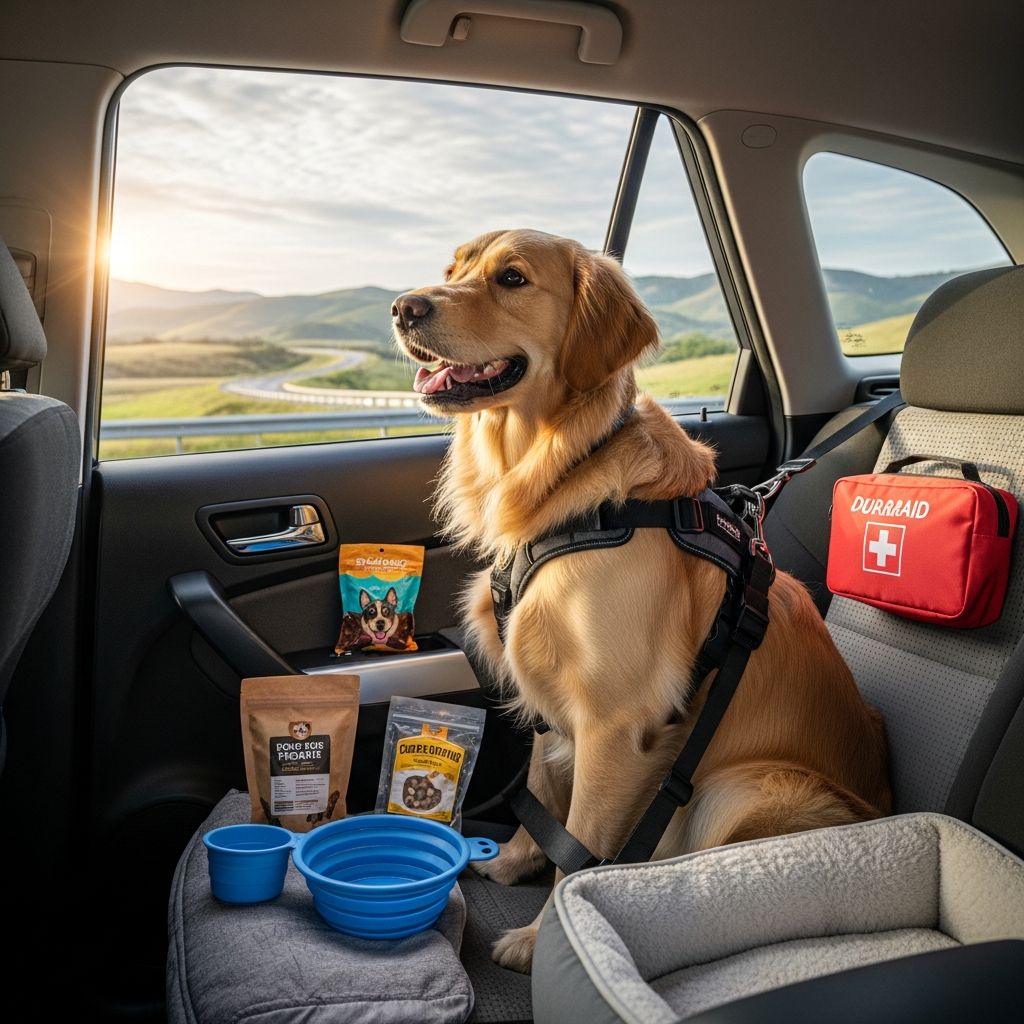
Traveling by car with your dog can be a joyful adventure, but it comes with significant safety risks if proper restraints aren’t used. Unsecured pets can become projectiles in crashes, distract drivers, or suffer injuries from sudden stops. This guide explores reliable equipment to secure your dog, drawing from tested products and safety standards to help you choose the best options for your vehicle and pet size.
Why Prioritize Dog Car Safety?
According to safety experts, dogs flying loose in vehicles pose dangers not just to themselves but to all passengers. In a collision at 30 mph, a 50-pound dog generates force equivalent to over 1,500 pounds, capable of causing severe harm. Proper restraints reduce these risks by keeping pets in place and minimizing movement. Driver distraction from a wandering dog also contributes to accidents, making secure setups essential for everyone on board.
Beyond crashes, everyday stops and turns can injure unsecured dogs through whiplash or ejection from seats. Choosing gear that meets crash-test standards, like those from the Center for Pet Safety (CPS), ensures reliability. Always measure your dog’s chest girth for a snug fit—too loose allows escape, too tight causes discomfort.
Harness Systems: The Foundation of Restraint
Harnesses are the most versatile and recommended primary restraint, distributing force across the chest rather than the neck like collars do. Never use collars for car travel, as they risk tracheal damage in sudden stops. Look for models with padded chests, adjustable straps, and vehicle attachment points.
- Crash-Tested Options: Products like the Sleepypod Clickit have passed rigorous CPS tests, holding during high-impact simulations.
- Fit for All Sizes: From small breeds at 6 pounds to large ones up to 150 pounds, options like the Bergan Auto Harness offer padded comfort and carabiner connections to seatbelts.
- Multi-Use Designs: Many double as walking harnesses, with steel reinforcement for durability.
Installation is straightforward: Secure the harness on your dog, then clip to the vehicle’s LATCH anchors or seatbelt. Adjust for sitting or lying positions without excess slack. Test by tugging firmly to confirm stability.
Seat Belt Tethers and Attachments
Direct tethers provide quick, affordable security by linking a harness to your car’s built-in systems. Swivel models prevent tangling, ideal for active dogs.
| Type | Best For | Key Features | Weight Range |
|---|---|---|---|
| Direct LATCH Tether | Sedentary dogs | Quick clip, adjustable length | All sizes |
| Swivel Seatbelt Tether | Moving dogs | Anti-twist, padded clips | Up to 100 lbs |
| Zip Line Combo | Backseat roamers | Full seat span, dual clips | 10-90 lbs |
These prevent forward lunging while allowing comfort. Avoid extension tethers, as CPS disqualifies them for crash safety due to excessive force on the pet during impacts.
Barriers and Dividers for Containment
For dogs too large for harnesses or those needing space, rear barriers create a safe zone. Mesh or wire panels attach to headrests and seat anchors, blocking access to the front seat.
- Breathable Mesh: Allows visibility and airflow, reducing anxiety.
- Heavy-Duty Wire: For chewers, with lockable gates.
- Custom Fit: Measure your cargo area for universal vs. vehicle-specific models.
Barriers excel for SUVs and hatchbacks, keeping dogs from interfering with driving. Combine with seat covers to protect upholstery from claws and fur.
Crates and Carriers: Enclosed Security
Hard-sided crates offer the highest protection, mimicking a car’s “cage” effect in crashes. Secure them tightly with straps to prevent shifting.
- Plastic Kennels: Airline-approved, ventilated, with tie-down points.
- Metal Wire: Collapsible for storage, sturdy locks.
- Soft-Sided: For small dogs, portable but less impact-resistant.
Size crates so your dog stands, turns, and lies down comfortably. For tiny pets under 18 pounds, booster seats elevate them to see out windows, reducing motion sickness. Crash-rated models like the Gunner G1 withstand extreme forces.
Boosters and Elevated Seats
Small and toy breeds benefit from boosters that lift them to window level, preventing falls and providing harness anchors. Look for gel-filled bases for stability and washable covers.
These seats clip into seatbelts and often include tethers. They’re ideal for laps but must be secured empty first to test firmness.
Accessories for Comfort and Accessibility
Protective Seat Covers
Hammock-style or flat covers shield seats from dirt, with non-slip bottoms. Waterproof materials simplify cleanup after muddy adventures.
Foldable Ramps and Steps
Senior or large dogs struggle jumping into high vehicles, risking joint injuries. Anti-slip ramps with side rails ease entry, folding for storage. Opt for lightweight aluminum rated for 200+ pounds.
Cooling and Hydration Aids
Window screens block hot air while allowing breeze. Spill-proof bowls attach to seats, and portable fans maintain safe temperatures on long hauls.
Choosing Gear by Dog Size and Vehicle Type
| Dog Size | Recommended Gear | Vehicle Fit |
|---|---|---|
| Small (<25 lbs) | Booster seat, soft carrier | Sedan, coupe |
| Medium (25-60 lbs) | Harness + tether, barrier | SUV, hatchback |
| Large (>60 lbs) | Crate, heavy barrier | Truck, van |
Match gear to your setup: Sedans favor harnesses, while trucks suit crates in beds (with tie-downs).
Training Your Dog for Car Travel
Introduce gear gradually with positive reinforcement. Start with short sessions, offering treats for calm behavior. Practice loading ramps at home and secure fits without driving. Desensitize to engine noise with parked practice runs.
Address anxiety with familiar toys or pheromone sprays. Never leave dogs unattended in hot cars—temperatures rise rapidly.
Frequently Asked Questions
What is the safest way to transport a dog in a car?
The safest method is a crash-tested harness or secured crate, preventing movement in accidents.
Do dog seat belts really work?
Yes, CPS-certified ones do; avoid untested tethers or extensions.
How do I measure my dog for a harness?
Measure chest girth behind front legs and neck; add 2-4 inches for comfort.
Can I use a crate in the front seat?
No, airbags pose risks; always use the back seat or cargo area.
What if my dog hates the car?
Use gradual training, motion sickness meds from vets, and familiar bedding.
Legal Considerations and Best Practices
Some states require pet restraints; check local laws. Inspect gear regularly for wear, replacing after crashes. Professional trainers recommend combining methods—like harness plus barrier—for ultimate safety.
For long trips, plan vet-approved breaks every 2-3 hours for exercise and water. Emergency kits with leashes, bowls, and meds ensure preparedness.
References
- Best Dog Car Seats and Restraints for 2026, Tested — Car and Driver. 2026. https://www.caranddriver.com/car-accessories/g60191102/best-dog-car-seats-restraints-tested/
- Car Accessories for Pet Safety — ASPCA Pet Insurance. 2023. https://www.aspcapetinsurance.com/resources/car-accessories-pet/
- Best Dog Harnesses and Carriers for Travel — Consumer Reports. 2023. https://www.consumerreports.org/home-garden/pets/best-dog-harnesses-and-carriers-for-travel-a1803562066/
- 10 Car Safety Items for Your Pet — PetMD. 2023. https://www.petmd.com/dog/slideshows/care/top-ten-ways-to-restrain-and-travel-safely-with-pets
- Dog Travel Safety: Essential Car Restraints for Pet Protection — 4Knines. 2024. https://4knines.com/blogs/accessories/dog-travel-safety-essential-car-restraints-for-pet-protection
Similar Articles






Read full bio of Sneha Tete