

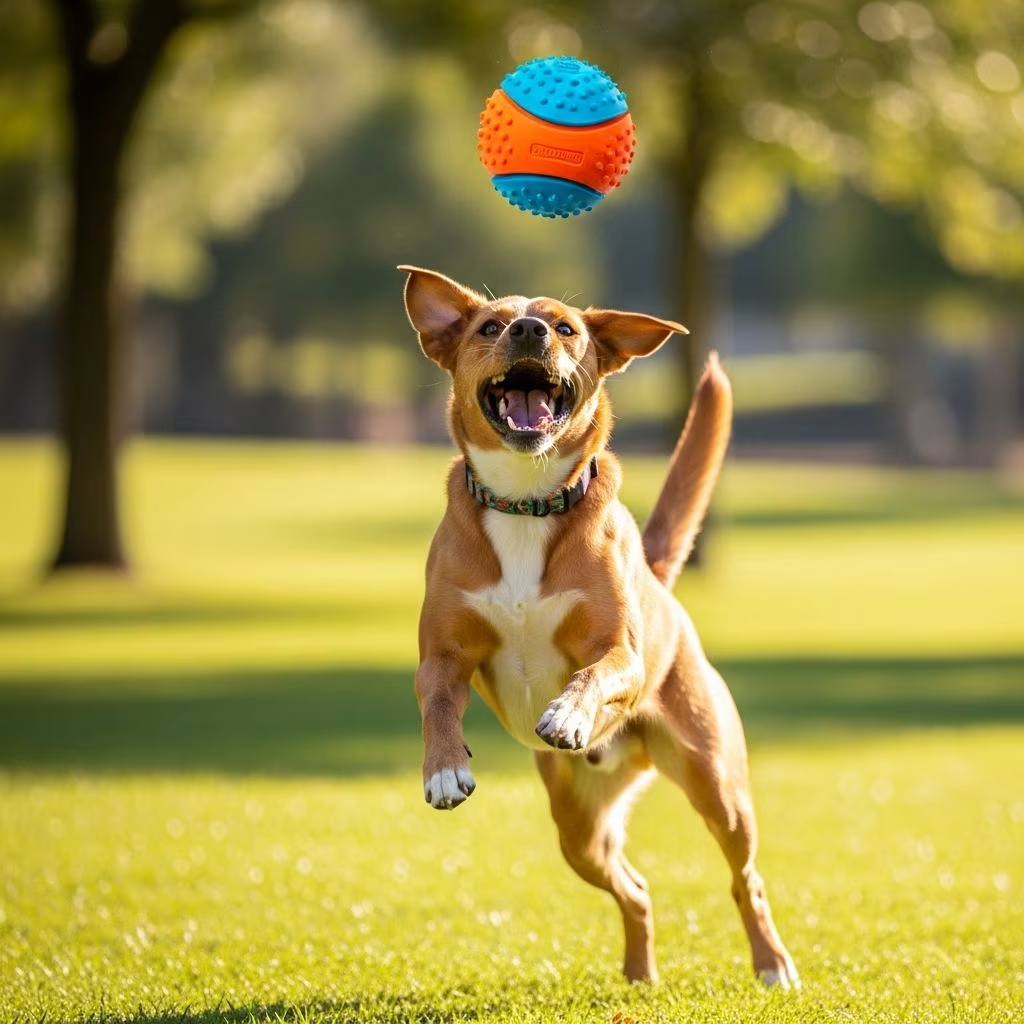
Interactive dog toys with erratic bouncing patterns, known as ricochet toys, transform ordinary play sessions into high-energy adventures. These toys captivate dogs by mimicking the unpredictable movements of prey, encouraging natural chasing instincts while promoting physical exercise and mental stimulation.
The Allure of Unpredictable Motion in Dog Play
Dogs thrive on toys that replicate the elusive nature of small game animals, darting in unexpected directions. Ricochet-style toys excel here, featuring shapes and materials that defy straight-line trajectories upon impact with walls, floors, or furniture. This randomness heightens a dog’s focus and prolongs engagement compared to standard balls that roll predictably.
Owners report that such toys reduce boredom-induced behaviors like excessive barking or destructive chewing. By channeling energy into pursuit, these playthings support overall well-being, particularly for high-drive breeds like Border Collies or Terriers.
Key Features of Effective Ricochet Toys
Superior ricochet toys prioritize bounce variability over mere durability. Look for irregular surfaces, such as octagonal or finned designs, which create spin and deflection angles. Hollow interiors with weighted bases further enhance erratic paths without compromising safety.
- Multi-surface compatibility: Toys that perform on hardwood, carpet, and grass ensure versatile indoor-outdoor use.
- Graspable textures: Rubberized grips or protrusions allow easy retrieval, preventing frustration.
- Size scaling: Available in small, medium, and large to match breed jaws and prevent swallowing risks.
Testing reveals that toys with a bounce coefficient above 0.7 maintain energy through multiple ricochets, sustaining play longer than spherical alternatives.
Selecting Materials That Prioritize Safety and Longevity
Material choice determines both fun factor and hazard potential. Natural rubber compounds offer the ideal balance: firm enough for powerful bounces yet yielding under pressure to protect teeth. Avoid plastics prone to leaching chemicals, opting instead for food-grade silicone or thermoplastic elastomers labeled non-toxic.
| Material Type | Pros | Cons | Safety Rating |
|---|---|---|---|
| Natural Rubber | High bounce, chew-resistant, non-toxic | May wear with heavy use | Excellent |
| Hard Nylon | Very durable for power chewers | Can sharpen edges over time | Good (with inspection) |
| Soft Plush | Comfortable for light play | Prone to tearing, stuffing ingestion | Poor for aggressive chewers |
| Synthetic Rope | Great for tug integration | Fibers can be swallowed | Fair (supervised only) |
Perform the thumbnail test: Press your nail into the surface; if no dent forms, it’s too rigid and risks dental fractures.
Common Hazards and Prevention Strategies
Even well-designed toys pose risks if unsupervised. Primary dangers include small detachable parts like bells or squeakers, which dogs target first, leading to ingestion and potential blockages. Rope fraying creates linear foreign bodies that bunch intestines, necessitating surgery.
- Inspect daily for cracks, tears, or loose components; discard immediately if damaged.
- Supervise initial sessions to gauge chewing style—powerful jaws may shred softer variants quickly.
- Steer clear of rawhide hybrids, as they swell in the gut without digesting fully.
In multi-dog homes, size-match toys meticulously: A small ricochet ball safe for a Chihuahua could lodge fatally in a Labrador’s throat.
Breeds and Play Styles: Tailoring Toy Choices
Not all dogs interact with ricochet toys identically. Herding breeds adore the chase, pursuing deflections endlessly, while scent hounds prefer retrieval-focused designs with milder bounces. Power chewers like Mastiffs demand reinforced models to withstand initial gnawing before full play ensues.
Puppies and seniors benefit from softer iterations: Flexible rubber prevents tooth damage in developing mouths or fragile dentition. Match intensity to age and health—arthritic joints favor low-bounce variants for gentler exertion.
Supervision and Maintenance Best Practices
Active monitoring multiplies toy lifespan and safety. Rotate three to five toys weekly to preserve novelty, preventing over-destruction of favorites. Clean post-play with mild soap and air-dry to deter bacterial buildup in textured crevices.
Store out of reach during absences, especially in shared pet environments, to avoid size mismatches. Track wear patterns: If edges razor or chunks break free, retire the toy proactively.
Incorporating Ricochet Toys into Training Routines
Beyond recreation, these toys enhance obedience drills. Use controlled throws to teach recall amid excitement, rewarding returns with praise. Integrate into agility prep by navigating household obstacles, building focus amid chaos.
For anxious dogs, short sessions reduce separation stress, associating alone time with anticipated fun upon return.
Health Benefits Backed by Expert Insights
Regular ricochet play bolsters cardiovascular fitness, joint mobility, and cognitive sharpness. Studies link interactive toys to lower obesity rates and diminished stress hormones in canines.
Veterinarians emphasize durability to avert emergencies: Toys breaking into swallowable pieces account for numerous annual vet visits.
FAQs on Ricochet Dog Toys
Are ricochet toys suitable for all dog sizes?
Yes, with proper sizing. Small breeds need compact versions to avoid choking; large dogs require hefty builds for bounce power.
How often should I replace a ricochet toy?
Inspect weekly; replace at first sign of damage like splits or detached parts to maintain safety.
Can these toys help with destructive behavior?
Absolutely—channeling energy into chase play often curbs furniture chewing and digging.
Are natural materials always safer?
Generally yes, but verify non-toxic labels and avoid untested imports lacking regulation.
What if my dog ignores the toy?
Initiate play by demonstrating bounces yourself, gradually encouraging pursuit with treats.
Regulatory Standards and Quality Assurance
While no mandatory federal specs exist solely for pet toys, voluntary adherence to children’s toy standards like ASTM F963 ensures robustness against seams ripping or small parts detaching. Reputable makers self-certify, minimizing chemical hazards akin to those in unregulated plastics.
Seek products tested for phthalates, lead, and heavy metals, mirroring CPSC guidelines for juvenile playthings.
References
- 7 Simple Safety Tips Before You Buy Your Next New Dog Toy — Pet Health Network. Accessed 2026. https://www.pethealthnetwork.com/dog-health/dog-behavior/7-simple-safety-tips-you-buy-your-next-new-dog-toy
- Is Your Dog’s Chew Toy Safe? A Guide for Tempe Pet Owners — Tempe Pet Hospital. Accessed 2026. https://tempepethospital.com/is-your-dogs-chew-toy-safe-a-guide-for-tempe-pet-owners/
- Dog Toys and How to Use Them — Pendleton County, KY Gov. Accessed 2026. https://pendletoncounty.ky.gov/Services/Documents/Dog%20Toys%20and%20How%20to%20Use%20Them.pdf
- Hidden Hazards: A Guide To The Potential Dangers Of Pet Toys — Texas A&M University College of Veterinary Medicine. Accessed 2026. https://vetmed.tamu.edu/news/pet-talk/pet-toy-dangers/
- Paws & Presents: Toy Safety for Pets — HART For Animals. Accessed 2026. https://hartforanimals.org/pet-health-blog/paws-and-presents
- Toy Safety Business Guidance — U.S. Consumer Product Safety Commission (CPSC.gov). Accessed 2026. https://www.cpsc.gov/Business–Manufacturing/Business-Education/Toy-Safety
- Pet Product Regulations in the United States: A Practical Guide — Compliance Gate. Accessed 2026. https://www.compliancegate.com/pet-products-regulations-united-states/



