

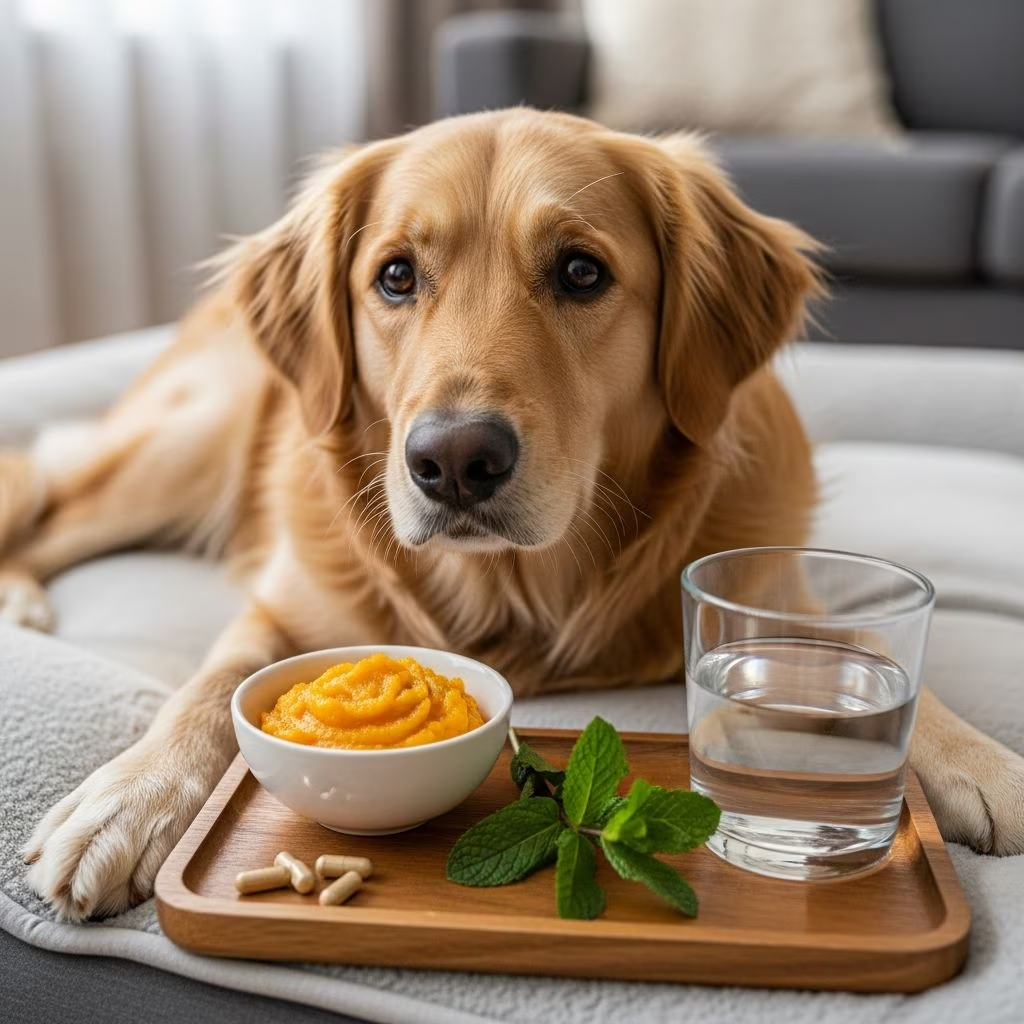
Dog diarrhea is a common issue that can arise from dietary indiscretions, stress, infections, or parasites. While occasional loose stools may resolve on their own, knowing how to respond promptly can prevent dehydration and discomfort. This guide explores practical home strategies, dietary adjustments, and key indicators for professional veterinary intervention, drawing from reliable veterinary advice.
Recognizing Diarrhea in Dogs
Diarrhea in dogs appears as loose, watery, or frequent stools, often accompanied by straining or urgency. It differs from normal firm stools and can range from mild (soft but formed) to severe (liquid with blood or mucus). Acute cases last less than two weeks, while chronic ones persist longer and may signal underlying conditions like inflammatory bowel disease or allergies.
- Color clues: Yellow or green suggests rapid transit; black tarry stools indicate digested blood; bright red blood points to lower GI issues.
- Frequency: More than three episodes daily warrants attention.
- Associated signs: Vomiting, lethargy, loss of appetite, or fever elevate concern.
Monitor stool consistency using a simple scale: Grade 1 (normal), Grade 2 (soft), Grade 3 (pudding-like), Grade 4 (watery), Grade 5 (bloody). Early observation helps tailor responses effectively.
Common Causes of Canine Diarrhea
Understanding triggers guides treatment. Dietary changes, such as scavenging garbage or switching foods abruptly, account for many cases. Infections from bacteria like Salmonella or viruses like parvovirus are culprits in puppies. Parasites including giardia or worms disrupt gut balance. Stress from travel or new environments speeds digestion. Medications, toxins, or food intolerances also contribute.
| Cause Category | Examples | Typical Duration |
|---|---|---|
| Dietary | Table scraps, new treats | 1-2 days |
| Infectious | Parvo, bacterial overgrowth | 3+ days |
| Parasitic | Hookworms, coccidia | Variable |
| Other | Stress, allergies | Chronic if untreated |
Initial Steps: Fasting and Hydration
The first line of defense for mild diarrhea is giving the gut a break. Withhold food for 12-24 hours in adult dogs (6-12 hours for puppies or small breeds) to allow intestinal healing. Never restrict water—dehydration poses greater risks than the diarrhea itself. Encourage drinking by offering fresh water or unflavored electrolyte solutions designed for pets.
- Add low-sodium bone broth or chicken broth to water for appeal.
- Check gums: Moist and pink indicate hydration; sticky or pale signal problems.
After fasting, assess improvement before refeeding. This approach rests the GI tract without nutritional deficits in short durations.
Bland Diet Transition for Recovery
Once fasting ends, introduce a bland diet in small, frequent meals (4-6 times daily). Opt for boiled lean proteins like skinless chicken, turkey, or fat-free ground turkey mixed with a carbohydrate source. Avoid rice if it ferments easily; alternatives include boiled potatoes or oatmeal.
- Ratio: 2:1 carbs to protein initially.
- Pumpkin power: Mix in 1-3 tablespoons of plain canned pumpkin per meal for soluble fiber that firms stools without irritation.
- Duration: 2-3 days until stools normalize, then gradually mix in regular food over 3-5 days.
Portion based on dog size: Small dogs (under 20 lbs) get 1/4 cup per meal; large (over 50 lbs) up to 1 cup. This soothes inflammation and restores balance.
Probiotics and Gut Flora Support
Diarrhea often depletes beneficial bacteria. Probiotics replenish these, promoting digestion and immunity. Choose vet-recommended canine formulas with strains like Lactobacillus or Bifidobacterium. Plain yogurt or kefir with live cultures works for lactose-tolerant dogs.
- Dosage: Follow package; typically 1/2 tsp per 10 lbs body weight daily.
- Benefits: Reduces inflammation, shortens episode duration.
Combine with prebiotics like inulin for synergy. Improvements appear within 24-48 hours.
Fiber Supplements: Natural Stool Firmers
Soluble fibers absorb water, bulking stools. Psyllium husk (plain Metamucil) is effective: 1/4 tsp for small dogs, 1 tsp for large, mixed in water or food twice daily. Pureed pumpkin doubles as fiber and nutrient source. Slippery elm bark powder coats the gut lining, easing irritation—1/4 tsp per 10 lbs.
Start low to avoid gas; monitor for 24 hours. These are safe for short-term use in mild cases.
Herbal Aids and Oils
Slippery elm forms a protective gel in the intestines, ideal for sensitive stomachs. Coconut or fish oil (1/4 tsp per 10 lbs) lubricates without excess fat. Goat milk provides hydration and mild probiotics. Always dilute and introduce gradually to prevent worsening symptoms.
Medications: Over-the-Counter Caution
Human anti-diarrheals like Imodium can be toxic—never use without vet approval, as they risk bloat or constipation. Kaolin-pectin products firm stools safely in some cases. Vet-prescribed meds target specific causes like antibiotics for infections.
Monitoring Progress and Red Flags
Track stool quality daily. Success shows firmer stools within 48 hours. Seek immediate vet care for:
- Blood, mucus, or black stools.
- Lethargy, vomiting, or abdominal pain.
- Dehydration signs: Sunken eyes, dry gums, skin tenting.
- Episodes lasting over 48 hours or in puppies/seniors.
Puppies dehydrate fastest; err on caution.
Preventing Future Episodes
Consistent high-quality diet, gradual food changes, and parasite preventives reduce risks. Probiotic chews maintain gut health. Avoid table scraps; supervise outdoor time. Annual fecal exams catch issues early.
FAQs
Can I give my dog Pepto-Bismol for diarrhea?
No, it contains salicylates toxic to dogs and may darken stools, mimicking blood. Consult a vet first.
How much pumpkin for a 50-lb dog?
1-2 tablespoons per meal, plain canned variety only.
Is fasting safe for puppies?
Limit to 6-12 hours; they need nutrition sooner.
What if diarrhea persists after bland diet?
See a vet for tests like fecal analysis or bloodwork.
Are probiotics safe long-term?
Yes, for maintenance; choose dog-specific formulas.
Table: Bland Diet Recipes by Dog Size
| Dog Weight | Protein (Boiled) | Carb/Fiber | Meals/Day |
|---|---|---|---|
| <20 lbs | 1/4 cup chicken | 1/2 cup potato + 1 tbsp pumpkin | 5-6 |
| 20-50 lbs | 1/2 cup turkey | 1 cup oatmeal + 2 tbsp pumpkin | 4-5 |
| >50 lbs | 1 cup lean beef | 2 cups rice alt + 3 tbsp pumpkin | 3-4 |
References
- 4 Effective Home Remedies for Dog Diarrhea — Marc Smith DVM, Franklin TN Vet. Accessed 2026. https://franklintnvet.com/4-effective-home-remedies-for-dog-diarrhea/
- Quickly Stop Dog Diarrhea With 4 Effective Home Remedies — Moonlight Pet Store. Accessed 2026. https://www.moonlightpetstore.com/pet-health-pet-nutrition/dog-cat-health/digestive-diarrhea-dogs-cats/stop-dog-diarrhea
- Dog Diarrhea and Vomiting Home Remedy — Honnas Veterinary. Accessed 2026. https://honnasvet.com/dog-diarrhea-and-vomiting-home-treatment/
- Home remedy tips for the treatment of diarrhea in your pet — Blue Run Vets. Accessed 2026. https://bluerunvets.com/home-remedy-tips-treatment-diarrhea-pet/
- Eight home remedies for diarrhea and two that could be dangerous — VCA Animal Hospitals. Accessed 2026. https://vcahospitals.com/resources/conditions-dog/stomach-digestion/8-home-remedies-for-diarrhea-and-2-that-are-dangerous-for-your-pet
- Foods for Dogs with Diarrhea: Symptoms, Home Remedies, and More — AnimalBiome. Accessed 2026. https://www.animalbiome.com/blogs/dog/foods-for-dogs-with-diarrhea-symptoms-home-remedies-and-more
- What To Give Dogs For Diarrhea — The Farmer’s Dog. Accessed 2026. https://www.thefarmersdog.com/digest/what-to-give-dogs-for-diarrhea/



