

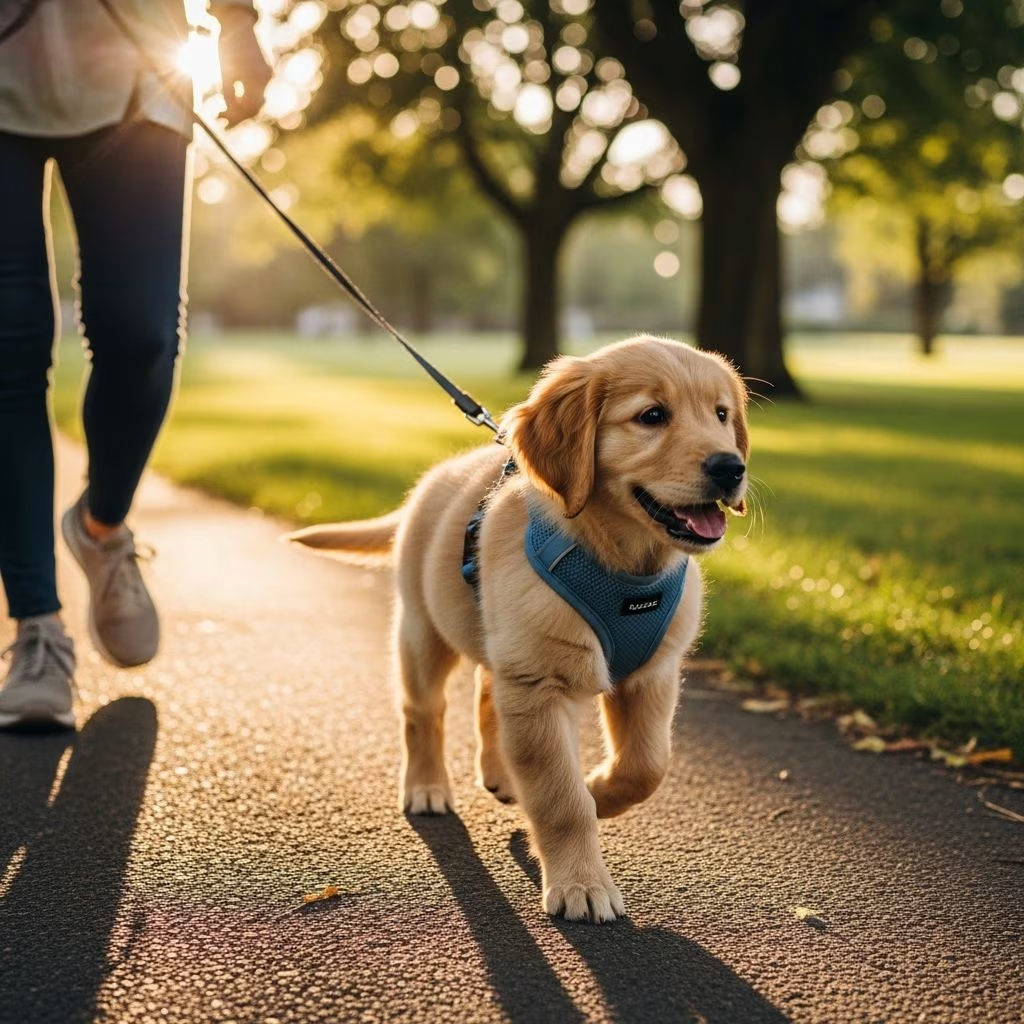
Puppies require careful exercise management to support their rapid growth without risking long-term health issues. Walking distances should align with a puppy’s age, size, and physical maturity to prevent strain on developing bones and joints.
Understanding Puppy Growth Stages
Puppies experience explosive growth in their first year, particularly in the first six months. During this period, their bones lengthen and cartilage hardens into bone, making them vulnerable to damage from excessive activity. Large and giant breed puppies face higher risks due to disproportionate growth rates between bones and muscles.
Small breeds mature faster, reaching skeletal maturity around 9-12 months, while large breeds may take 18-24 months. This timeline influences safe exercise levels, as overdoing walks can lead to conditions like osteochondrosis or hip dysplasia.
Age-Based Walking Guidelines
Tailor walks to your puppy’s age using the ‘five-minute rule’: five minutes per month of age, twice daily. This provides a baseline for leashed walks on flat terrain.
- 8-10 weeks: Very short outings (2-5 minutes) focused on potty breaks and basic exposure, not endurance.
- 2-4 months: 5-20 minutes per walk, emphasizing gentle exploration.
- 4-6 months: Up to 30 minutes total daily, split into sessions.
- 6-12 months: Gradually increase to 45-60 minutes, monitoring for fatigue.
- Over 12 months: Transition to adult levels based on breed.
Adjust for breed size: toy breeds need less, while sporting breeds may handle more once mature.
Breed-Specific Considerations
Different breeds have unique needs due to genetics and growth patterns.
| Breed Size | Recommended Max Daily Walk (Months 3-6) | Notes |
|---|---|---|
| Toy (e.g., Chihuahua) | 10-15 minutes | Quick maturity; watch for fragility. |
| Small (e.g., Beagle) | 15-25 minutes | Moderate energy; avoid jumps. |
| Medium (e.g., Border Collie) | 20-30 minutes | High drive; mental stimulation key. |
| Large/Giant (e.g., Labrador, Great Dane) | 15-20 minutes | Slower growth; strict limits. |
These are starting points; consult a vet for personalized advice, especially for breeds prone to joint issues.
Signs of Overexertion to Watch For
Puppies can’t verbalize discomfort, so observe physical cues during and after walks.
- Limping or favoring a leg
- Excessive panting or reluctance to continue
- Stiffness upon waking
- Heat in joints or swelling
- Changes in appetite or energy
If noticed, rest the puppy for 24-48 hours and seek veterinary evaluation. Early intervention prevents chronic problems.
Essential Equipment for Safe Walks
Proper gear enhances control and comfort.
- Harness over collar: Distributes pressure evenly, reducing neck strain.
- 4-6 foot leash: Sturdy, non-retractable for better control.
- Comfortable collar: Flat buckle, fitted snugly.
- Booties: For hot pavement or rough terrain.
- ID tags and microchip: Essential backups.
Avoid retractable leashes, as they can cause burns or loss of control.
Ideal Walking Surfaces and Environments
Choose forgiving terrains to protect growing joints.
- Grass, soft dirt trails, or packed snow
- Avoid concrete, asphalt, stairs, and uneven ground
- Test surfaces: If too hot for your hand (10 seconds), skip it
Steer clear of slippery ice, sharp gravel, or areas with hazards like glass. Nature walks are great but survey for roots or steep inclines.
Weather and Seasonal Safety Tips
Adapt walks to conditions for year-round safety.
- Hot weather: Early morning or evening; provide water frequently.
- Cold weather: Shorten walks; use coats for small breeds.
- Rain: Avoid muddy slips; towel dry post-walk.
- Winter: Watch for ice; paw balm prevents cracks.
Never walk on full stomach to prevent bloat; wait 1-2 hours post-meal.
Training Integration During Walks
Build loose-leash walking early with positive reinforcement.
- Start in low-distraction areas.
- Reward heel position with treats.
- Use commands like ‘sit’ at crossings.
- Gradually increase distractions.
Basic obedience ensures safety around traffic or other dogs.
Alternative Exercises for Variety
Supplement walks with low-impact activities.
- Sniffari games in the yard
- Gentle fetch on grass (no jumping)
- Indoor puzzle toys
- Swimming for water-loving breeds (post-12 weeks)
Mental exercise counts as much as physical for puppies.
Health Checkups and Professional Advice
Schedule vet exams before ramping up exercise, especially for puppies with immature joints. Discuss breed-specific risks and growth supplements if needed.
Frequently Asked Questions (FAQs)
How far can I walk my 3-month-old puppy?
Limit to 15 minutes total daily, split into 5-10 minute sessions on soft surfaces.
Is it okay for puppies to run or jump?
Avoid until 12+ months; stick to walking and gentle play to protect joints.
What if my puppy seems tired after short walks?
Reduce distance and rest; consult a vet for underlying issues.
Can I use a treadmill for puppy exercise?
Only under vet guidance; prefer natural movement.
How do I know if surfaces are safe?
Use the 10-second hand test for heat; inspect for sharpness or slipperiness.
Building Lifelong Walking Habits
Consistent, appropriate exercise fosters a healthy, happy dog. Gradually increase intensity as your puppy matures, always prioritizing fun and safety over distance. Monitor progress and adjust based on your puppy’s signals and veterinary input.
References
- Puppy and dog walking tips — The Royal Kennel Club. Accessed 2026. https://www.royalkennelclub.com/your-dog/dog-training/get-started/dog-training-and-games/puppy-and-dog-walking-tips/
- Dog Walking Safety Tips — VCA Animal Hospitals. Accessed 2026. https://vcahospitals.com/know-your-pet/dog-walking-safety-tips
- Walking with your dog — American Veterinary Medical Association. Accessed 2026. https://www.avma.org/resources-tools/pet-owners/petcare/walking-your-pet



