

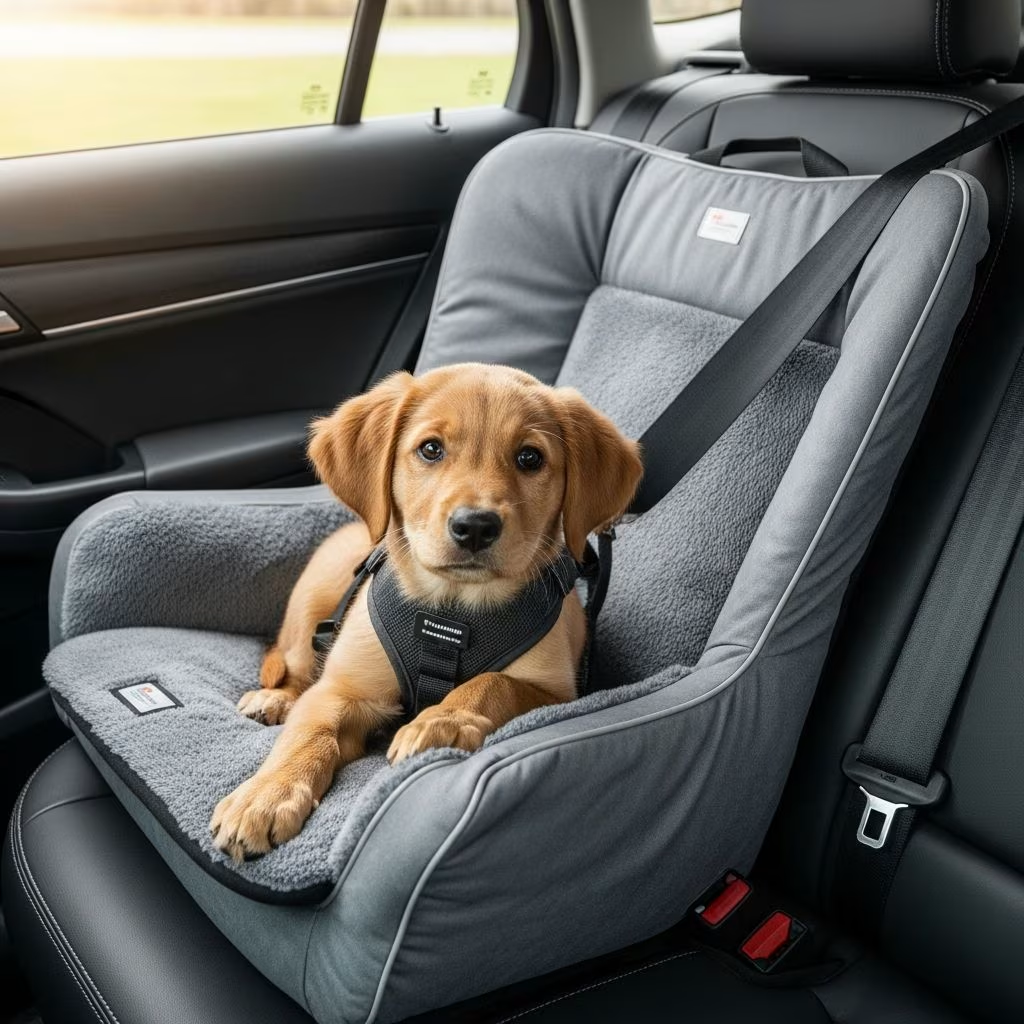
Traveling with a puppy requires careful planning to protect their safety, health, and comfort. Young dogs are particularly vulnerable due to their small size, developing immune systems, and unfamiliarity with movement. This guide draws from veterinary and safety experts to outline preparation steps, transportation methods, and in-transit care.
Preparation Essentials Before Departure
Start by scheduling a veterinary check-up at least two weeks prior to travel. Ensure vaccinations are current, including rabies proof, and discuss any motion sickness risks or medications. Microchipping provides identification if your puppy escapes.
Acclimate your puppy to travel gear early. Introduce carriers or harnesses through short, positive sessions with treats and play. Gradually extend car rides from 5 minutes to longer durations to build tolerance.
- Health documents: Carry vaccination records, health certificates, and contact info for your vet.
- ID setup: Use a collar with tags listing your phone number and ‘Reward if found.’
- Supplies kit: Pack food, water bowls, waste bags, leashes, medications, grooming tools, familiar toys, and bedding.
For interstate or international trips, verify entry requirements like health certificates or quarantine rules via official state or USDA sites.
Choosing the Right Restraints and Carriers
Proper restraint prevents injuries during sudden stops or crashes. Never allow puppies to roam freely, as they can distract drivers or become projectiles.
Recommended options:
| Type | Best For | Key Features | Safety Notes |
|---|---|---|---|
| Hard-sided carrier | Cars, small puppies | Ventilated, secured to seat | Place on rear floor; size for standing/turning |
| Crash-tested harness | Larger puppies, seats | Belt-compatible | Back seat only; avoid extenders |
| Pet barrier | SUVs/back seats | Sturdy metal | Firmly attached; no front seat use |
Avoid soft/wire crates in vehicles—they can collapse. Position carriers centrally or rear floor to minimize airbag risks. Pickup truck beds are hazardous and often illegal without secure kennels.
Car Travel Best Practices
Drive during cooler times to avoid heat buildup. Never leave puppies unattended in vehicles, as temperatures rise rapidly.
- Feeding schedule: Feed 3-4 hours before departure; offer small snacks on long trips to curb nausea.
- Hydration: Bring familiar or bottled water; provide frequent sips.
- Breaks: Stop every 2 hours for potty, water, and stretches on leash.
- Prohibitions: No heads out windows (eye debris risk); no front seats.
Monitor for stress: excessive panting, drooling, or whining signals discomfort—pull over and soothe with calm voices or toys.
Air Travel Considerations for Puppies
Airlines have strict rules; puppies under 8 weeks often can’t fly. Opt for cabin travel if under 20 lbs. Book direct flights to minimize stress.
Preparation:
- Use IATA-approved hard carriers with labels ‘Live Animal’ and contacts.
- Acclimate weeks ahead; exercise before check-in.
- Fast 4-6 hours pre-flight; allow small water amounts.
At airports: Potty before crating; carry pet through security. In-cabin, secure under seat—never overhead. For cargo, risks include temperature extremes—choose airlines with pet programs.
Public Transportation and Other Modes
Buses/trains vary by carrier; check policies for leashed or carrier-required travel. Ferries demand life jackets for puppies.
Tips:
- Arrive early for secure spots.
- Use muzzle if required for safety.
- Keep puppy leashed at stations.
Overnight Stays and Lodging
Book pet-friendly hotels; bring soft crates or belly bands to prevent marking. Confirm policies on fees or breed restrictions.
- Pack extra leashes, potty pads.
- Exercise upon arrival to release energy.
- Ask for ground-floor rooms near exits.
Common Travel Risks and Emergency Prep
Puppies face dehydration, heatstroke, escapes, or injuries. Pack a pet first-aid kit: bandages, antiseptic, tweezers, thermometer.
Know signs: lethargy, vomiting, rapid breathing—seek vets via apps like ASPCA Poison Control.
Travel insurance covers vet bills abroad. Always have photos for lost pet alerts.
Frequently Asked Questions
Can puppies travel in cars without crates?
No—crash-tested harnesses in back seats are safer alternatives, but free roaming risks injury.
How often should I stop on road trips?
Every 2 hours for puppies to hydrate, potty, and move.
Is it safe to sedate puppies for travel?
Consult vets; improper sedation can impair breathing, especially in heat.
What if my puppy gets carsick?
Use vet-approved meds, ginger treats, or acupressure; fast pre-trip.
Are puppy seatbelts effective?
Only crash-tested ones; check Center for Pet Safety ratings.
Making Travel Positive for Life
End trips with rewards to associate travel positively. Consistent prep builds confident adventurers. Safe journeys strengthen bonds.
References
- Pet safety in vehicles — American Veterinary Medical Association. 2023. https://www.avma.org/resources-tools/pet-owners/petcare/pets-vehicles
- Traveling With Pets? Follow These Expert Dos and Don’ts — ASPCA. 2024. https://www.aspca.org/news/traveling-pets-follow-these-expert-dos-and-donts-keep-them-safe
- Pet Travel Safety Tips — Ellwood Animal Hospital. 2023. https://ellwoodanimalhospital.com/news/pet-travel-safety-tips
- Pet Travel Safety — American Red Cross. 2024. https://www.redcross.org/get-help/how-to-prepare-for-emergencies/pet-travel-safety.html
- Pet Travel Tips — Center for Pet Safety. 2023. https://www.centerforpetsafety.org/faqs/pet-travel-tips/
- Traveling safely with your pet: The ultimate guide — AAHA. 2024. https://www.aaha.org/resources/the-ultimate-guide-to-traveling-safely-with-your-pet/
- Pet Travel Safety — CDC. 2025-02-01. https://www.cdc.gov/healthy-pets/travel/index.html



