

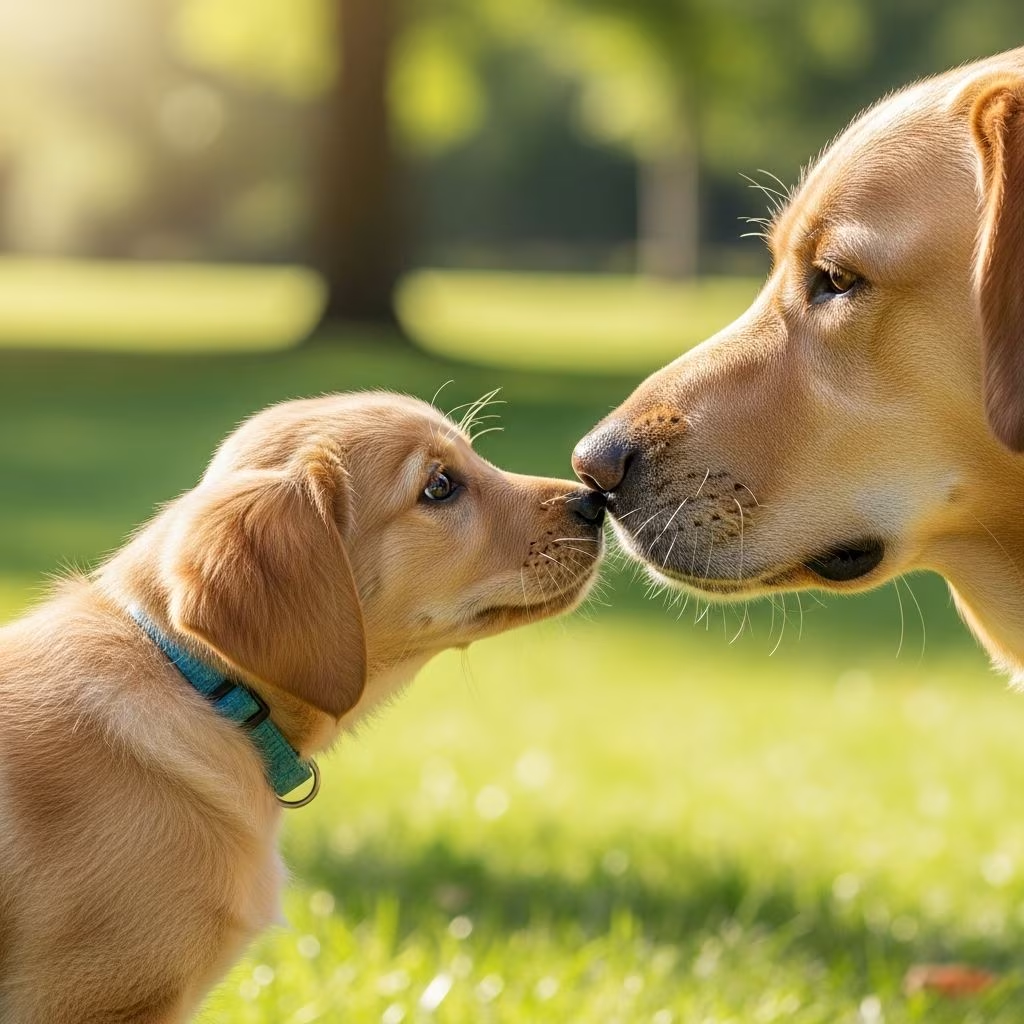
Puppies enter a critical developmental window between 3 and 14 weeks where exposure to other dogs shapes their lifelong behavior and confidence. During this period, strategic introductions to vaccinated, healthy dogs help prevent fear or aggression later in life, but must prioritize disease prevention through proper vaccinations.
The Critical Socialization Window for Puppies
The prime time for puppy socialization spans from approximately 3 to 14 weeks of age, when their brains are highly receptive to new stimuli. This phase allows puppies to form positive associations with various dogs, people, environments, and sounds, building a foundation for adaptability. Missing this window can lead to increased wariness or behavioral issues in adulthood, as the brain becomes less flexible post-14 weeks.
From birth to 2 weeks, puppies rely on littermates and their mother for initial social cues, learning basic bite inhibition through play. Between 2-4 weeks, they begin independent interactions, but human handling during this neonatal and transitional stage enhances early confidence. By 3-12 weeks, deliberate exposures accelerate personality development, with outgoing pups showing dominance and shy ones needing gentle encouragement.
Vaccination Milestones Before Dog Interactions
Health risks like parvovirus and distemper necessitate caution. Puppies receive their first vaccinations around 6-8 weeks, with a second dose at 10-12 weeks, conferring partial protection. Full immunity typically follows the third set around 16 weeks, but many experts recommend limited exposures after the second round with known, vaccinated dogs.
Orphaned or isolated puppies require a 14-day quarantine before grouping with similar-aged, vaccinated peers. Avoid public dog parks or unknown dogs until fully vaccinated, as even one exposure to contaminated feces can transmit deadly viruses.
| Age Range | Vaccination Status | Safe Dog Interactions |
|---|---|---|
| Birth-8 weeks | None/First dose | Littermates & mother only |
| 8-12 weeks | Second dose | Known vaccinated dogs/puppies |
| 12-16 weeks | Third dose | Expanded, supervised play |
| 16+ weeks | Full series | All safe environments |
Early Family Bonding and Litter Experiences
Before leaving the breeder, puppies ideally stay with their mother and litter until at least 8-10 weeks. These interactions teach essential skills: play-fighting hones bite inhibition, while maternal corrections enforce boundaries. Breeders who expose pups to household noises, gentle handling, and varied people during weeks 3-8 produce more resilient dogs.
New owners should allow 7-10 days for puppies to acclimate to their home post-adoption. Use this time for bonding through play, basic commands, and positive reinforcement, laying groundwork before external introductions.
Planning Safe Puppy Playdates
Once past 8 weeks and post-second vaccination, arrange playdates with puppies of similar size, age, and health status. Home-based sessions minimize risks compared to group classes. Start with one-on-one meetings, supervising closely for signs of overstimulation like excessive panting or tucked tails.
- Select playmates from trusted sources with verified vaccination records.
- Keep sessions short (10-15 minutes) to avoid fatigue.
- Use high-value treats to reward calm behaviors during introductions.
- Separate if rough play escalates; intervene early to model appropriate interactions.
Puppy classes offer structured environments with vaccinated attendees and trainers, ideal from 10-12 weeks. These provide controlled exposures to multiple dogs while teaching owners cue-reading skills.
Recognizing and Managing Puppy Interactions
Observe body language: relaxed play involves play bows, loose wagging tails, and take-turns chasing. Warning signs include stiff postures, growling, or resource guarding. Puppies under 16 weeks lack full strength, making them forgiving playmates, but adult dogs may overwhelm them.
For fearful pups showing snapping or avoidance, employ desensitization: expose at a distance with rewards, gradually closing the gap. Consistency during the juvenile stage (3-6 months) solidifies pack hierarchy awareness, influencing long-term temperament.
Beyond Dogs: Comprehensive Socialization
Dog-to-dog interactions are vital but comprise only part of socialization. Expose puppies to diverse people (children, bearded adults, hats), surfaces (grates, slippery floors), sounds (vacuums, traffic), and handling (ear pulls, paw touches). Carry them in secure carriers to novel places pre-vaccination for scent and sight exposure without ground contact.
A checklist ensures breadth:
- 10+ types of people (ages, ethnicities, accessories).
- 5+ household sounds and 5+ outdoor noises.
- Varied walking surfaces and car rides.
- Grooming simulations and veterinary visits.
- Play with safe household pets.
Common Mistakes and How to Avoid Them
Forcing interactions with aggressive or unvaccinated dogs risks injury or disease. Over-scheduling leads to stress, indicated by diarrhea or lethargy. Neglecting breeder history means missing early red flags. Balance exposure quantity with quality—100 positive, brief encounters trump few overwhelming ones.
Long-Term Benefits of Early Socialization
Well-socialized puppies grow into adults with reduced fear-based aggression, better recall in groups, and adaptability to changes like moves or travel. Behavioral problems, not disease, cause most relinquishments under 3 years; proactive socialization mitigates this.
Frequently Asked Questions
Can my 9-week-old puppy meet my vaccinated adult dog?
Yes, if the adult is healthy, non-aggressive, and up-to-date on vaccines. Supervise initial meetings on neutral ground, keeping them leashed.
What if my puppy is fearful around other dogs?
Use counterconditioning: pair distant dog sightings with treats. Consult a trainer for structured plans during the sensitive 3-16 week window.
Are puppy classes safe before full vaccinations?
Many are, using vaccinated-only policies and clean venues post-second shots. Confirm protocols with providers.
How many socializations per week during peak window?
Aim for daily novel exposures, but limit dog play to 2-3 sessions weekly to prevent burnout.
Does breed affect socialization needs?
Yes; herding breeds may need more group play, while guardians benefit from calm adult exposures. Tailor to individual temperament.
References
- Puppy Socialization: How to Socialize a Puppy to People, Dogs — Best Friends Animal Society. Accessed 2026. https://bestfriends.org/pet-care-resources/puppy-socialization-how-socialize-puppy-people-dogs
- Puppy Socialization: The Ultimate Guide — Chewy. Accessed 2026. https://www.chewy.com/education/dog/training-and-behavior/positively-trained-puppy-socialization-dos-and-donts
- The Puppy Timeline: A Socialization Guide — Texas A&M University College of Veterinary Medicine & Biomedical Sciences. Accessed 2026. https://vetmed.tamu.edu/news/pet-talk/puppy-socialization/
- When Can Puppies Be Around Other Dogs? — Whole Dog Journal. Accessed 2026. https://www.whole-dog-journal.com/puppies/when-can-puppies-be-around-other-dogs/
- How to Socialize a Puppy — Royal Canin US. Accessed 2026. https://www.royalcanin.com/us/dogs/puppy/how-to-socialise-a-puppy
- When Can My Puppy Meet Other Dogs? — American Kennel Club. Accessed 2026. https://www.akc.org/expert-advice/health/can-puppy-meet-dogs/
- Puppy Socialization Checklist — Louisiana SPCA. 2020-09. https://www.louisianaspca.org/wp-content/uploads/2020/09/Puppy-Socialization-Checklist.pdf



