

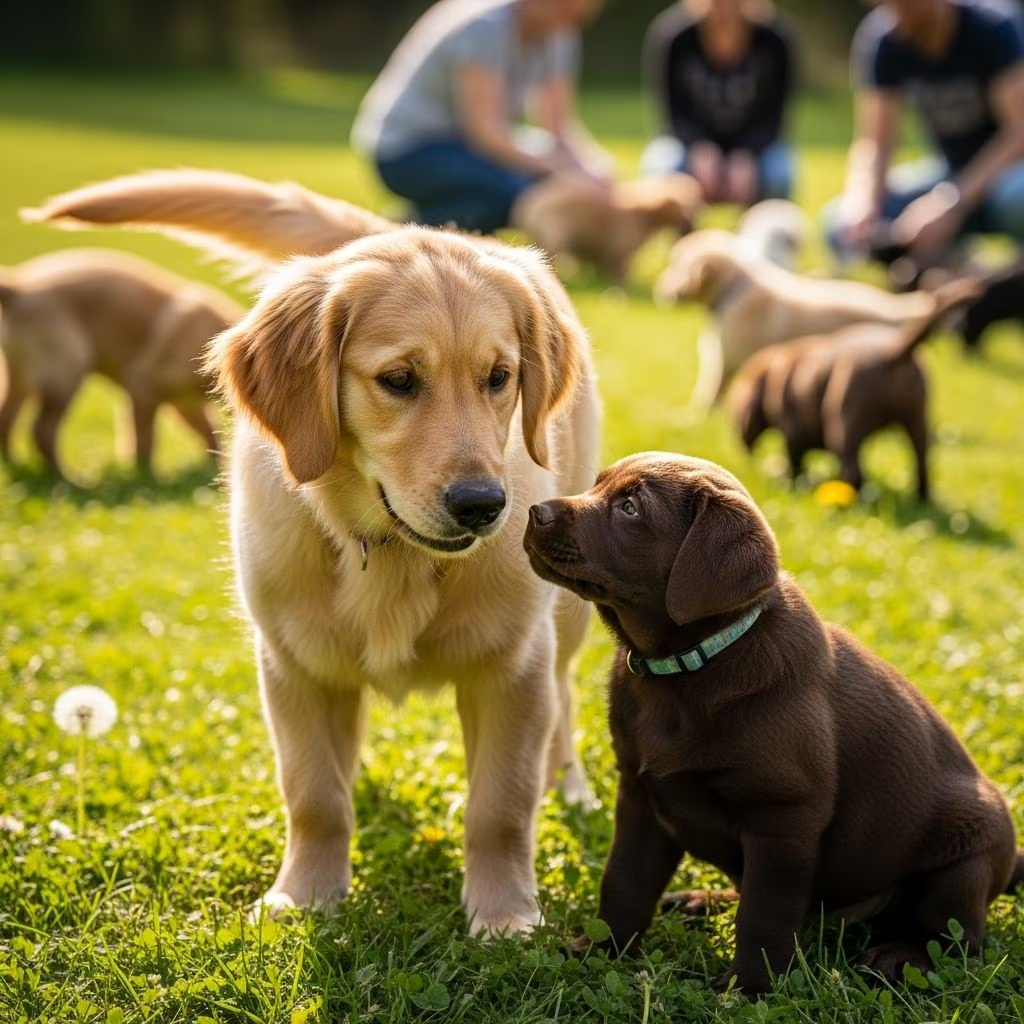
Introducing puppies to other dogs at the right time is essential for developing confident, well-adjusted adults. The process must balance the puppy’s immature immune system with the behavioral benefits of early positive interactions.
Understanding Puppy Development Stages
Puppies undergo rapid neurological and behavioral changes in their first months. The period from 3 to 16 weeks is particularly vital, as their brains are highly receptive to new stimuli, forming lasting impressions about the world.
- Neonatal Phase (Birth to 2 Weeks): Puppies rely on mother and littermates for initial sensory exposure. Human handling begins gently to foster trust.
- Transitional Phase (2-4 Weeks): Eyes open, play with siblings starts, building basic bite inhibition and social cues.
- Socialization Window (3-12/16 Weeks): Peak openness to novel experiences; missing this can lead to lifelong caution or fear.
During these stages, interactions with other dogs lay the foundation for appropriate play and communication skills.
The Critical Socialization Window Explained
Research identifies 3-14 weeks as the prime timeframe when puppies accept new experiences without fear. Beyond 12-16 weeks, they grow more neophobic, making introductions harder.
| Age Range | Key Developments | Socialization Focus |
|---|---|---|
| 3-7 Weeks | With mother/littermates | Bite inhibition, basic dog signals |
| 8-12 Weeks | New home transition | Controlled dog meetings |
| 13-16 Weeks | Independence emerges | Structured group play |
Large breeds may have slightly extended windows, but prompt action is key to prevent fear-based issues.
Vaccination Prerequisites Before Dog Contact
Puppies receive maternal antibodies that wane by 6-8 weeks, leaving them vulnerable. Full vaccination protocols are crucial before off-premise dog interactions.
- First vaccines at 6-8 weeks allow limited class attendance.
- Booster at 12 weeks enables broader exposure.
- Avoid dog parks until 16-20 weeks with vet approval.
Well-managed indoor puppy classes require at least one vaccine set and health checks on all participants.
Strategies for Safe Early Introductions
Start with familiar, vaccinated dogs in controlled settings. Prioritize quality over quantity to avoid overwhelm.
- Home-Based Meetings (8-10 Weeks): Invite calm, adult dogs known to be gentle.
- Puppy Classes (7-8 Weeks Onward): Seek programs with health requirements and positive reinforcement.
- Gradual Public Exposure: Use leashes for initial greetings; monitor body language.
Observe for signs of stress like tucked tails or avoidance, pausing if needed.
Navigating Fear-Imprint Periods
Around 8-11 weeks, puppies enter a fear-sensitive phase. Negative encounters here can create enduring aversions.
- Pair new dogs with high-value treats to build positive links.
- Keep sessions short (5-10 minutes) and end on high notes.
- Avoid corrections; use gentle guidance instead.
Confident recovery from mild scares indicates good progress.
Choosing the Right Puppy Socialization Programs
Not all classes are equal. Select ones emphasizing play observation, not chaos.
| Green Flags | Red Flags |
|---|---|
| Vaccine proof required | No health screening |
| Trainers interrupt rough play | Bullying tolerated |
| Diverse stimuli included | Punishment-based methods |
Ideal classes mix play, handling, and life skills for comprehensive growth.
Breed and Temperament Considerations
Tailor plans to your puppy’s profile. Bold breeds like retrievers handle novelty well; herding types need calm exposures.
- Confident Pups: Broader variety early.
- Shy Pups: Slower pace with familiar supporters.
- Future Roles (e.g., Therapy Dogs): Job-specific simulations from week 9.
Assess via home tests before group settings.
Maintaining Momentum After 16 Weeks
Socialization doesn’t end at 16 weeks. Adolescence (6-18 months) requires ongoing positives to solidify gains.
- Weekly novel dog meetups.
- Advanced obedience classes.
- Monitor for regressions; counter with desensitization.
Consistent reinforcement prevents backsliding.
Common Pitfalls and How to Avoid Them
Overexposure leads to shutdowns; under-socialization breeds reactivity.
- Pitfall: Dog Parks Too Soon. Risky due to disease; opt for private playdates.
- Pitfall: Ignoring Signals. Stiff posture means intervene.
- Pitfall: Halting at 4 Months. Continue through year one.
Track progress in a socialization log.
Long-Term Benefits of Proper Timing
Well-timed introductions yield adults who greet calmly, recover from surprises, and thrive in varied settings. Prevention trumps remediation.
Frequently Asked Questions
Can I socialize before first vaccines?
Limited home exposure with quarantine-compliant dogs is safest until 7-8 weeks.
What if my puppy is past 16 weeks?
Adult socialization works with patience, using counter-conditioning techniques.
How often should sessions occur?
2-3 times weekly until 6 months, then maintenance.
Is one-on-one better than groups initially?
Yes, for temperament assessment before classes.
What breeds need special caution?
Reactive-prone like terriers benefit from extra gradual steps.
References
- Puppy Behavior and Training – Socialization and Fear Prevention — VCA Animal Hospitals. 2023. https://vcahospitals.com/know-your-pet/puppy-behavior-and-training—socialization-and-fear-prevention
- How To Socialize a Puppy and Why It’s So Important — PetMD. 2024. https://www.petmd.com/dog/behavior/how-to-socialize-puppy
- Socializing Your Puppy — ASPCA Pro. 2023-11. https://www.aspcapro.org/sites/default/files/2023-11/socializing-a-puppy.pdf
- Puppy Socialization Timeline: Critical Windows & Milestones — Wagbar. 2024. https://www.wagbar.com/puppy-socialization-timeline-critical-windows-milestones-3-16-weeks
- Creativity & Critical Timing Are Key to Puppy Socialization — American Kennel Club. 2023. https://www.akc.org/expert-advice/dog-breeding/creativity-and-timing-key-to-puppy-socialization/
- The Puppy Timeline: A Socialization Guide — Texas A&M University Veterinary Medicine. 2023. https://vetmed.tamu.edu/news/pet-talk/puppy-socialization/



