

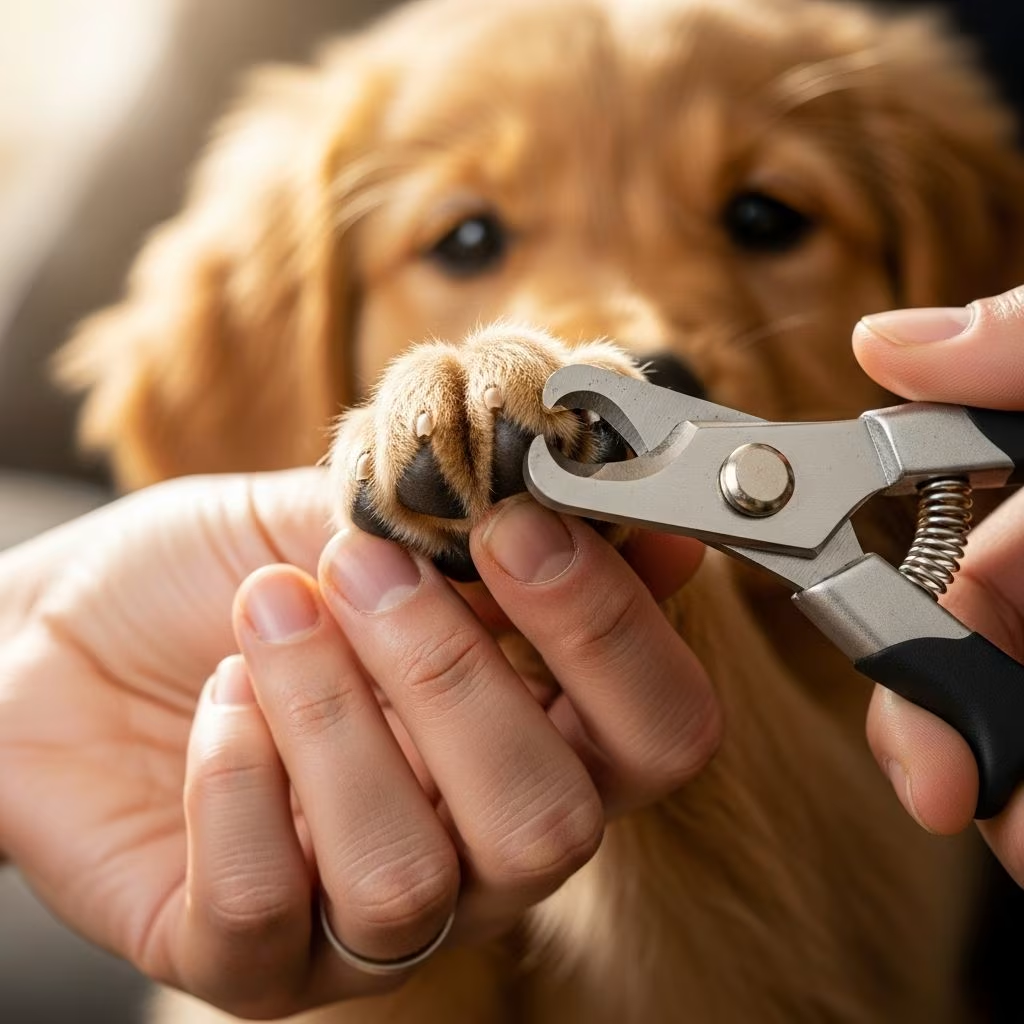
Trimming a puppy’s nails is a vital grooming task that promotes foot health, prevents injuries, and ensures comfortable movement. Overgrown nails can cause pain, alter gait, and lead to joint issues over time. Starting early with puppies builds trust and makes the process routine.
Why Regular Nail Maintenance Matters for Puppies
Puppies’ nails grow rapidly, often needing attention every 2-3 weeks depending on breed and activity level. Active pups on varied surfaces may naturally wear nails down, but indoor dogs require more frequent trims. Long nails force unnatural weight distribution, potentially causing torn nails, infections, or limping. Early trimming also familiarizes puppies with handling, reducing stress during vet visits or grooming sessions.
Maintaining short nails supports overall mobility. Nails that curve back into pads can snag or puncture skin, leading to painful splits. Consistent care from 8 weeks old sets a positive foundation for lifelong grooming habits.
Selecting the Right Tools for the Job
Choose tools designed for canine nails to avoid splitting or crushing. Key options include:
- Scissor-style clippers: Ideal for puppies due to visibility and control. They mimic scissors, allowing precise cuts on small nails.
- Guillotine clippers: Suitable for larger nails; the blade slides through a hole, but less precise for tiny puppy claws.
- Baby nail clippers: Perfect for newborns or tiny breeds, transitioning to dog-specific as they grow.
- Grinders (e.g., Dremel): Rotary tools that file nails gradually, best for anxious pups or black nails where visibility is low.
Always have styptic powder, cornstarch, or flour nearby to staunch bleeding if the quick is nicked. These coagulants stop minor bleeds quickly.
| Tool Type | Best For | Pros | Cons |
|---|---|---|---|
| Scissor Clippers | Puppies, small breeds | Easy view, precise | May dull over time |
| Guillotine | Medium-large nails | Quick cuts | Harder to see quick |
| Grinder | Black nails, fearful pups | No sharp cuts, smooth finish | Noisy, time-consuming |
Understanding Nail Anatomy to Avoid Injury
Dog nails consist of a hard outer shell encasing the quick—a vascular core with nerves and blood vessels. In light nails, the pink quick is visible; cut just beyond it. Dark nails hide the quick, so trim small amounts and observe the curve where nails naturally bend—the quick rarely extends past this point.
Dewclaws, higher on the leg, grow faster and need separate attention to prevent curling into skin. Feel for firmness; hollow tips indicate safe trimming zones.
Desensitization: Preparing Your Puppy for Trims
Begin handling paws during puppyhood. Gently touch feet during play, rewarding calm behavior with treats. Progress to holding paws, then introducing clippers without cutting.
- Touch paws daily for 5-10 seconds, praising lavishly.
- Introduce clipper sound and sight; pair with high-value treats.
- Clip one nail, then stop and reward heavily.
- Gradually increase nails per session over days.
For resistant pups, sessions under 2 minutes prevent aversion. Use a comfortable position: puppy on lap or side, supporting body weight to reduce tension.
Step-by-Step Trimming Technique
Work in a quiet, well-lit area with treats ready. Calm puppy first with play or food.
Positioning: Sit puppy between legs or on a non-slip surface. Hold paw gently from below, elbow supporting leg. Avoid pulling limbs awkwardly—keep natural posture for visibility.
Cutting Process:
- Examine nail: Identify curve or quick.
- Clip 1-2mm at a time, straight across.
- For black nails, trim tiny bits, checking pulp exposure.
- Angle follow-up cuts for smoothness if pup tolerates.
- Trim dewclaws last.
If grinding, use short bursts (3-5 seconds) to avoid heat buildup. Reward between nails.
Handling Special Challenges
Dark Nails: Use light nails on same paw as guides. Feel the groove at curve’s start; quick ends there. Grind cautiously if unsure.
Fearful Puppies: Trim 1-2 nails daily. Two-person team: one distracts with food, other clips.
Overgrown Nails: Take tiny cuts over sessions; overgrown nails calcify, becoming brittle. Professional groomer may help initially.
Bleeding Accidents: Press styptic powder firmly for 30 seconds. Minor nicks stop quickly; monitor for lameness.
How Often Should You Trim?
Frequency varies: every 2 weeks for most puppies. Check weekly—nails clicking on floors signal time. Adjust for breed: brachycephalics or lap dogs need more trims.
Alternative Professional Options
If home trims overwhelm, vets or groomers use sedation or restraints for safety. Build skills gradually to save costs long-term.
Frequently Asked Questions (FAQs)
Can I use human clippers on puppies?
No—human tools crush canine nails, causing splits. Opt for pet-specific.
What if my puppy hates paw handling?
Desensitize slowly with positive reinforcement. Consult trainer if phobia persists.
Is grinding better than clipping?
Grinding suits noise-tolerant pups and black nails; clipping is faster for cooperative ones.
How do I know if I cut the quick?
Puppy yelps, nail bleeds. Apply styptic immediately; it’s painful but heals fast.
Do all dogs have dewclaws?
Front paws usually; rears vary by breed. Trim to prevent overgrowth.
Long-Term Benefits of Nail Care Routine
Consistent trims prevent arthritis, improve traction, and strengthen owner-puppy bonds. Track progress in a grooming journal for optimal scheduling.
References
- Pet Information Sheets: How to Clip Dog Nails — Dr. Chuck Books. Accessed 2026. https://drchuckbooks.com/pet-information-sheets/how-to-clip-dog-nails
- How to Clip Your Puppy’s Nails — YouTube (Veterinary Demonstration). 2023-10-15. https://www.youtube.com/watch?v=Pt5u-1JbyRI
- Dog Nail Clipping Technique You MUST KNOW — YouTube (Grooming Expert). 2024-05-20. https://www.youtube.com/watch?v=zPqwzAzjKbE
- How to Trim Puppy Nails — YouTube (Puppy Care Guide). 2023-08-12. https://www.youtube.com/watch?v=X91_e4fsXg4



