

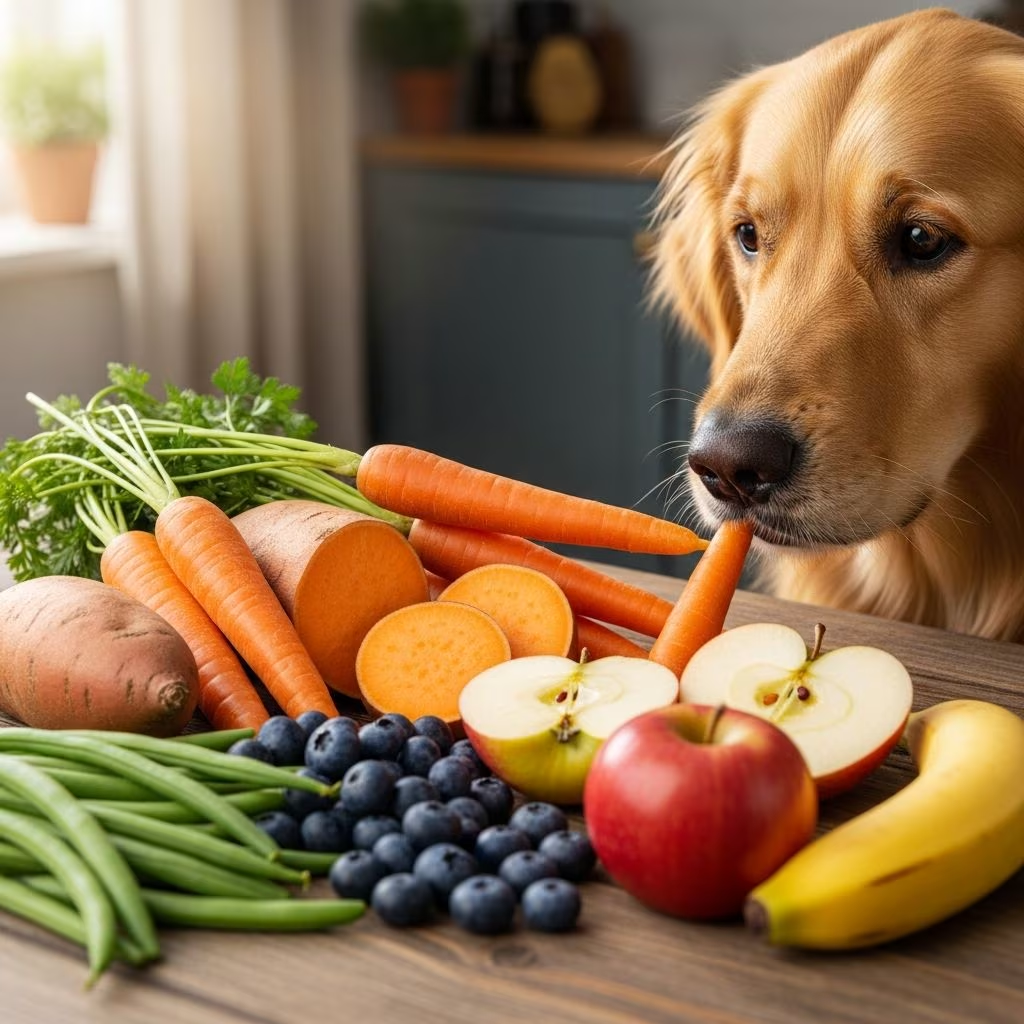
Pet owners often wonder whether they can share fresh produce from their kitchen with their canine companions. While many fruits and vegetables offer genuine nutritional benefits for dogs, not all produce is safe for consumption. Understanding which items are appropriate and which pose serious health risks is essential for responsible pet care. This guide explores the nutritional profile of various produce options and establishes clear boundaries for what your dog can safely enjoy.
The Nutritional Role of Produce in Canine Diets
Fresh fruits and vegetables can supplement a dog’s regular diet with valuable vitamins, minerals, and fiber. These plant-based foods serve multiple purposes: they provide low-calorie treat options for weight management, offer dental benefits through natural chewing action, and deliver antioxidants that support overall wellness. However, produce should never replace complete and balanced commercial dog food formulated to meet all nutritional requirements established by veterinary standards.
When introducing any new food to your dog’s diet, moderation is crucial. Treats—whether commercial or homemade from produce—should represent no more than 10% of daily caloric intake, with regular meals making up the remainder. This proportion ensures your dog receives balanced nutrition without nutritional imbalances.
Nutrient-Rich Fruits Your Dog Can Safely Enjoy
Several fruits offer exceptional nutritional profiles while remaining completely safe for canine consumption. When selecting fruits for your dog, always prioritize fresh, plain produce without added sugars, syrups, or artificial ingredients.
Berries: Nature’s Antioxidant Powerhouses
Blueberries rank among the most beneficial fruits for dogs, delivering concentrated antioxidant compounds that combat cellular damage and support cognitive function in aging dogs. They contain fiber and vitamin C while remaining low in calories, making them ideal for health-conscious pet owners. Fresh or frozen blueberries can be offered as occasional treats in reasonable quantities.
Strawberries provide an excellent source of vitamin C, potassium, and manganese—all critical for immune system support. These berries also contain natural enzymes that help maintain dental health. Like blueberries, strawberries work well as occasional treats.
Raspberries and blackberries offer anti-inflammatory benefits particularly valuable for senior dogs experiencing joint discomfort. These berries contain fiber, vitamin C, and manganese while maintaining low sugar content. However, they contain naturally occurring xylitol in trace amounts. The American Kennel Club recommends limiting your dog to no more than 8 ounces of fresh or frozen raspberries. Blackberries should similarly be restricted to small quantities due to their xylitol content.
Core Fruits and Specialty Options
Apples provide fiber, vitamins A and C, and multiple antioxidants beneficial for bone and tissue health. The crispy texture also helps maintain clean teeth and freshen breath. Always remove the core and all seeds before serving, as apple seeds contain cyanide compounds. While consuming a few seeds won’t typically cause harm, complete removal is the safest approach. Offer small slices occasionally rather than entire apple portions.
Pears deliver high fiber content along with vitamins C, B6, and copper. Like apples, pears require complete removal of seeds and core before consumption. Cut into manageable pieces to prevent choking hazards.
Bananas are high in potassium, biotin, fiber, and copper—nutrients supporting muscle function and metabolic health. However, their natural sugar content means they should be offered sparingly. Small banana slices work well for occasional treats or training rewards.
Pineapple contains beneficial minerals, vitamins including folate and zinc, and a unique protein-digesting enzyme that aids nutrient absorption—particularly valuable for senior dogs. A small occasional slice is acceptable, though the fruit’s sugar content requires moderation.
Cantaloupe and watermelon offer hydration benefits through high water content while providing vitamins A, B6, C, and potassium. Both are low in calories but contain natural sugars warranting measured portions. Remove all seeds and rind from watermelon to prevent intestinal blockage.
Vegetable Options for Balanced Nutrition
Vegetables generally contain fewer natural sugars than fruits while delivering valuable minerals and fiber. Many vegetables work particularly well for dogs requiring weight management or those susceptible to digestive issues.
Nutrient-Dense Greens and Root Vegetables
Carrots stand as one of the most versatile vegetables for dogs, offering fiber, beta-carotene, and minimal calories. The hard texture provides natural dental cleaning when dogs chew carrots, and many pets enjoy them as satisfying, low-calorie snacks. Both raw and cooked carrots are appropriate.
Sweet potatoes represent an exceptional source of vitamin A, supporting immune system function and eye health. They also contain fiber, vitamin C, B6, potassium, calcium, and iron. Serve small amounts of boiled or steamed sweet potato without added seasoning.
Green beans provide abundant vitamins, minerals, and fiber while remaining low in calories. Plain, unseasoned green beans work well as treats or meal supplements for weight management purposes.
Peas contain protein, vitamins A, B1, B6, C, and K alongside minerals and dietary fiber. Dogs can consume frozen or steamed peas, making them convenient and nutritious options.
Cruciferous Vegetables and Other Options
Broccoli is safe when offered in small amounts as occasional treats. It provides fiber, vitamin C, and antioxidants while remaining low in fat. The sulfur compounds in broccoli that support human health have identical benefits for dogs, though consumption in excess may cause digestive upset.
Cauliflower offers fiber and vitamin C with low fat content, though excessive amounts may produce uncomfortable gas for both pet and owner. Introduce gradually and in moderate portions.
Celery contains vitamins A, B, and C alongside nutrients supporting cardiovascular health and potentially offering cancer-fighting properties. Its texture helps freshen doggie breath through natural chewing action.
Cabbage aids digestive system function and skin health through beneficial compounds. Introduce cabbage gradually and in small amounts, as it may initially cause gas while the dog’s digestive system adjusts.
Pumpkin (plain, unseasoned puree) serves as an excellent digestive support, particularly for dogs experiencing constipation or mild diarrhea. The high fiber content and gentle nature make it suitable for sensitive digestive systems.
Produce That Poses Serious Health Risks
Certain fruits and vegetables contain toxic compounds or cause severe digestive reactions and must never be offered to dogs under any circumstances.
Critically Toxic Produce
Grapes and raisins present one of the most serious hazards in the canine diet. These fruits contain compounds that cause kidney failure in dogs, with potential fatal consequences. The exact toxic mechanism remains unclear, but even small quantities can trigger severe reactions. No safe threshold exists—complete avoidance is essential.
Onions, garlic, leeks, and chives belong to the allium family and contain compounds damaging red blood cells and causing hemolytic anemia. Both raw and cooked forms pose identical risks. This includes powdered forms and ingredients in prepared foods.
Avocados contain persin, a fungicidal toxin that can cause vomiting, diarrhea, and potentially heart damage. All parts of the avocado tree and fruit contain this compound, making complete avoidance necessary.
Wild mushrooms, toadstools, and fungi can contain mycotoxins causing severe poisoning. While cultivated button and white mushrooms are safe when cooked, the risk of misidentification makes mushroom foraging in nature extremely dangerous.
Problematic Produce Requiring Caution
Tomatoes present a complex situation. While ripe tomatoes contain minimal toxins, the compound solanine concentrates in unripe tomatoes, tomato stems, and leaves—making these parts toxic. Even ripe tomatoes frequently cause stomach upset in dogs and should generally be avoided. If accidental consumption occurs, unripe tomatoes and leaves warrant veterinary consultation.
Potatoes share the solanine concern with tomatoes. Raw or green potatoes, along with stems and leaves, contain dangerous levels of this compound. Only fully cooked, plain white potatoes in small amounts are safe, making avoidance simpler than risk management.
Cherries contain cyanogenic compounds in their pits and stems similar to apple seeds. While the flesh contains minimal toxins, the pits present serious choking hazards and contain cyanide precursors. Avoid cherries altogether to eliminate risk.
Safe Feeding Practices and Preparation Methods
Proper preparation significantly impacts produce safety for canine consumption. Several fundamental guidelines ensure your dog benefits maximally while minimizing potential harm.
- Always wash produce thoroughly to remove pesticide residues, dirt, and bacteria before serving
- Remove all seeds, pits, and cores that may contain toxic compounds or cause choking hazards
- Cut produce into appropriately sized pieces based on your dog’s size to prevent choking
- Serve plain produce only without seasoning, added oils, salt, or sugar
- Introduce new foods gradually over several days to monitor digestive tolerance
- Cook vegetables when possible to improve digestibility, though raw options work for most dogs
- Maintain portion control by limiting treats to approximately 10% of daily caloric intake
- Store produce appropriately to prevent mold growth or spoilage before offering to your dog
Frequently Asked Questions About Canine Produce Consumption
What should I do if my dog accidentally eats toxic produce?
Contact your veterinarian or emergency animal hospital immediately, particularly if your dog consumed grapes, raisins, onions, garlic, avocados, or unripe tomatoes. Provide information about the quantity consumed and the time of ingestion. Early veterinary intervention often prevents serious complications or death.
Can dogs eat frozen versus fresh produce?
Both frozen and fresh produce are generally safe, though frozen options may cause digestive upset if offered in very cold states. Thaw frozen produce slightly before serving to avoid stomach irritation. Frozen berries and peas often maintain superior nutrient profiles compared to fresh options stored for extended periods.
Are organic produce options better for dogs?
While organic produce may contain fewer synthetic pesticide residues, thorough washing removes most residues from conventionally grown produce. Both organic and conventional options are safe when properly prepared, making organic selection a personal preference rather than a necessity for safety.
How can I incorporate produce into my dog’s existing diet?
Use small pieces of produce as training rewards, mix finely diced vegetables into regular meals, or offer produce as occasional snacks between meals. These approaches provide dietary variety without disrupting established nutrition from commercial dog food.
Can produce replace commercial dog food?
No. Produce cannot provide complete nutrition dogs require. Commercial dog foods formulated to meet Association of American Feed Control Officials (AAFCO) standards contain balanced proteins, fats, vitamins, and minerals specifically proportioned for canine needs. Produce serves only as a supplement.
Are there produce options for dogs with specific health conditions?
Yes. Dogs with digestive issues benefit from pumpkin puree and plain green beans. Senior dogs gain advantages from berries with anti-inflammatory properties. Overweight dogs benefit from low-calorie options like carrots and green beans. Consult your veterinarian for recommendations matching your dog’s specific health status.
Creating a Balanced Treat Strategy
Incorporating produce into your dog’s life enhances dietary variety and provides enrichment through novel flavors and textures. However, balance remains essential. A sustainable approach includes rotating different safe fruits and vegetables, limiting portions to maintain weight management, and recognizing produce as a supplement to—not replacement for—nutritionally complete commercial dog food.
Consider your dog’s individual health status, age, and activity level when determining appropriate produce inclusion. Puppies and senior dogs may have different tolerance levels than adult dogs in their prime. Dogs with specific health conditions may benefit from particular produce options while requiring avoidance of others.
Building relationships with your veterinarian enables personalized nutritional guidance tailored to your dog’s unique needs. Annual wellness examinations provide opportunities to discuss dietary changes and ensure your dog maintains optimal body condition.
References
- Fruits and Vegetables Dogs Can or Can’t Eat — American Kennel Club. https://www.akc.org/expert-advice/nutrition/fruits-vegetables-dogs-can-and-cant-eat/
- What fruit and vegetables can dogs eat? — Blue Cross. https://www.bluecross.org.uk/advice/dog/can-dogs-eat-apples-grapes-potatoes-and-other-fruit-and-veg
- Fruits & Veggies Dogs Can & Can’t Eat — Animal Eye Guys (South Florida Veterinary Partners). https://www.animaleyeguys.com/site/blog/2024/04/15/fruits-veggies-dogs-can-cant-eat
- Safe And Unsafe Fruits And Veggies To Share With Your Dog — Imprime Medicine. https://www.imprimedicine.com/blog/safe-fruits-and-veggies-for-dogs
- Fruit & Veggies Dogs Can and Can’t Eat — Pico Rivera Animal Hospital. https://www.picoriveravet.com/site/blog/2024/02/15/fruit-veggies-dogs-eat
- What Fruits Can Dogs Eat? — PetMD. https://www.petmd.com/dog/nutrition/what-fruits-can-dogs-eat



