

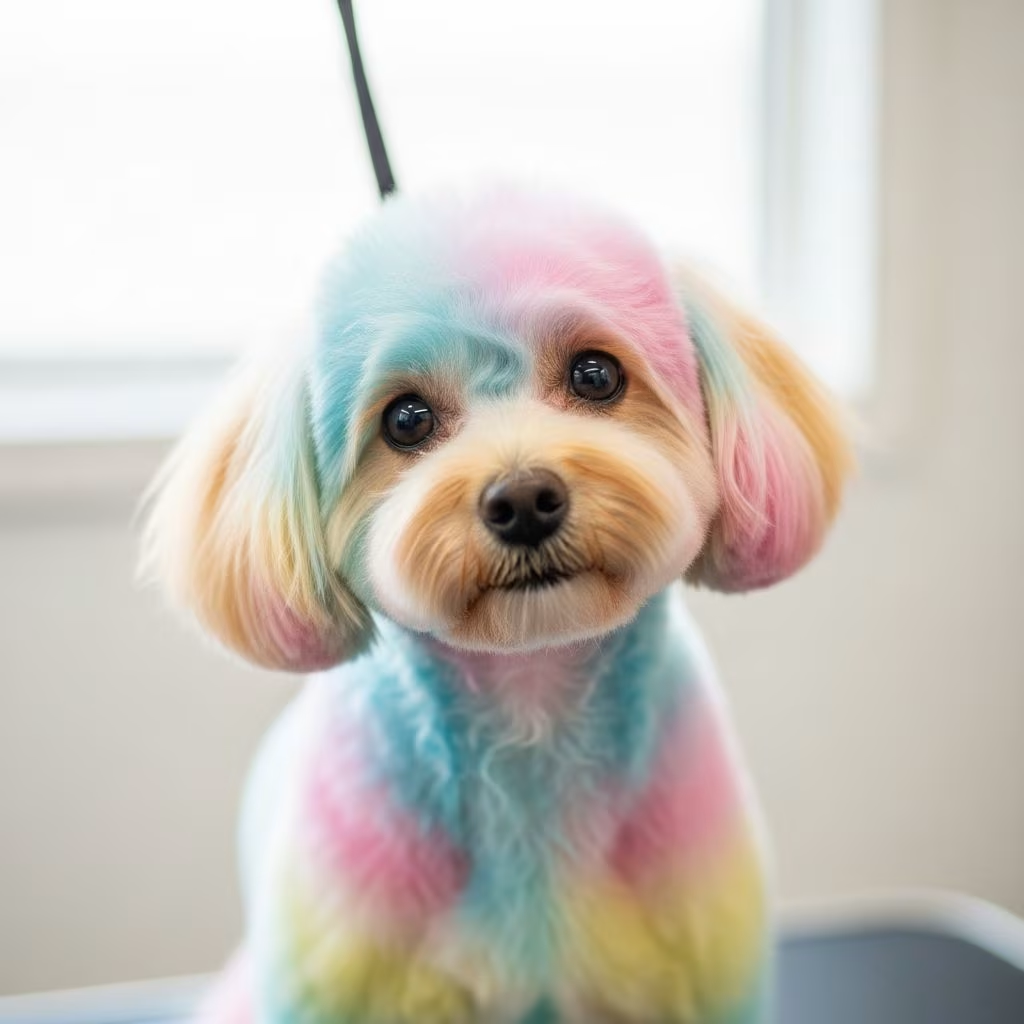
Coloring your pet’s fur can add a fun, creative touch to their appearance, but safety must come first to protect their health. Pet-safe dyes formulated specifically for animals minimize risks compared to human products, which can cause severe harm.
Why Pet Owners Consider Fur Coloring
Many pet enthusiasts experiment with fur coloring for holidays, events, or social media appeal. Vibrant hues like pink, blue, or green turn ordinary pets into eye-catching companions. However, this trend raises concerns about animal welfare, as improper products or techniques can lead to skin issues, stress, or toxicity.
Professionals in grooming emphasize that while creativity is exciting, it should never compromise the pet’s comfort. Responsible coloring enhances bonding without causing distress, provided owners choose appropriate materials and methods.
Dangers of Using Human Hair Dyes on Pets
Human hair dyes contain harsh chemicals unsuitable for pets’ sensitive skin and fur. Ingredients such as ammonia, peroxide in high concentrations, and para-phenylenediamine pose significant threats, including chemical burns, allergic reactions, and long-term immune system damage.
These substances can be absorbed through the skin, leading to poisoning or respiratory problems. Pets with thinner skin or frequent licking are especially vulnerable. Reports highlight cases of burns, swelling, and even fatalities from such misuse, underscoring the need for caution.
- Avoid ammonia-based dyes: They irritate sensitive noses and eyes.
- Steer clear of high-peroxide bleaches: Essential for human dark-to-light changes but damaging to pet coats.
- Reject synthetic fragrances: Mask odors but trigger allergies.
Pet-Safe Dye Options and Their Benefits
Pet-specific dyes use non-toxic, food-grade ingredients like beet juice for pink or vegetable extracts for other shades. These are pH-balanced for animal skin, reducing irritation risks.
Brands offering tested products, such as those passing SGS Level 1 toxicity ratings, prove safe for professional use. Ammonia-free formulas further enhance tolerability, allowing darker shades without aggressive bleaching.
| Dye Type | Key Ingredients | Safety Features | Best For |
|---|---|---|---|
| Natural/Organic | Beet juice, plant extracts | Non-toxic, food-grade | Light coats, temporary color |
| Semi-Permanent Pet Dyes | Low-peroxide blends | SGS certified, ammonia-free | Short-term vibrancy |
| Permanent Pet Dyes | Gentle pigments | Cytotoxicity tested | Longer-lasting results |
These options support creative grooming without health compromises, trusted in salons worldwide for over a decade.
Selecting the Right Dye for Your Pet
Consider your pet’s coat color, skin sensitivity, and age. Light fur takes natural dyes best; dark coats may need minimal peroxide products. Puppies, seniors, or those with health issues should avoid coloring altogether.
Opt for products from reputable groomers or brands with lab certifications. Read labels for ‘pet-safe’ claims backed by testing, not just marketing.
Preparation Steps Before Coloring
A clean, healthy coat ensures even application and minimizes risks. Bathe your pet 24-48 hours prior using pet shampoo, then brush thoroughly to detangle.
- Health check: Consult a vet to rule out skin conditions or allergies.
- Coat assessment: Ensure fur is dry and mat-free.
- Grooming session: Trim if needed for precision.
These steps create an optimal base, preventing uneven color or trapped chemicals.
Step-by-Step Safe Application Process
Professional groomers recommend a controlled environment to keep pets calm. Use gloves, protect surfaces, and work in a ventilated area.
1. Patch Test (24-48 hours prior): Apply a small amount to an inconspicuous spot like the inner thigh. Monitor for redness, itching, or swelling.
2. Mix Dye: Follow product instructions precisely, diluting if required for sensitivity.
3. Section Fur: Divide into manageable parts, starting with less visible areas.
4. Apply Evenly: Use a brush for precision, avoiding eyes, mouth, nose, and genitals. Leave on per guidelines (typically 10-30 minutes).
5. Rinse Thoroughly: Use lukewarm water and pet conditioner until water runs clear.
6. Dry Gently: Towel dry and air dry or low-heat blow dry.
Post-Coloring Care and Maintenance
Monitor for reactions like excessive scratching or lethargy, seeking vet care if noticed. Use hypoallergenic shampoos for washing, avoiding frequent baths to preserve color.
- Bathe only every 2-4 weeks.
- Brush daily to distribute natural oils.
- Touch up roots as needed with matching dye.
For multi-color designs, maintain separation to prevent bleeding.
Common Myths About Pet Fur Dyeing Debunked
Myth 1: All pet dyes are harmless. Fact: Only tested, non-toxic ones are; always verify certifications.
Myth 2: Dyeing causes pain. Fact: Proper technique is painless; stress comes from restraint, not the dye.
Myth 3: Any pet can be dyed brightly. Fact: Suitability varies by health, coat, and temperament.
When to Avoid Fur Coloring Entirely
Not every pet enjoys or tolerates the process. Signs include high anxiety, skin disorders, or pregnancy. Stress can lead to behavioral issues, outweighing aesthetic gains. Alternatives like pet-safe clippers for patterns offer fun without chemicals.
Professional vs. DIY: Which is Best?
Professionals excel in technique, calming nervous pets, and using top products. DIY suits confident owners with calm pets but carries higher error risks. Start with pros for experience.
Frequently Asked Questions (FAQs)
Is pet fur dye safe for puppies?
No, wait until adulthood (over 1 year) as their skin is more sensitive.
How long does pet dye last?
Semi-permanent: 2-6 weeks; permanent: 8-12 weeks, fading with growth.
Can cats be dyed safely?
Yes, with cat-specific dyes, but they’re more grooming-averse.
What if my pet licks the dye?
Pet-safe formulas are non-toxic if ingested in small amounts; prevent by using e-collars.
Are natural dyes better?
Often yes for mildness, but they fade faster than certified synthetics.
Ethical Considerations in Pet Grooming
Coloring should prioritize welfare over trends. Observe your pet’s response; discontinue if unhappy. Promote positive reinforcement to associate grooming with treats, fostering trust.
References
- Dog Hair Dye: Facts, Dangers, What to Know Before Starting — PETA. 2023. https://www.peta.org/news/dog-hair-dye-dangers-pooch-perfect-problems/
- The Irreversible Damage of Dying your Dog’s Hair — WashPaw. 2017-08-30. https://www.washpaw.com/blog/2017/8/30/the-irreversible-damage-of-dying-your-dogs-hair
- Pink Paws, No Flaws: How Safe is Pet Dye, Really? — Figo Pet Insurance. 2023. https://figopetinsurance.com/blog/how-safe-is-pet-dye-barbie
- Is Pet Hair Dye Containing Peroxide Toxic? — OPAWZ. 2024. https://www.opawz.com/blogs/tutorials/is-pet-hair-dye-containing-peroxide-toxic
- The Safety of Pet Hair Dye: Expert Insights — The Rich Groomer. 2023. https://therichgroomer.com/rich-groomer-blog/the-safety-of-pet-hair-dye-expert-insights-from-the-rich-groomer-pet-groomers-in-sacramento/



