

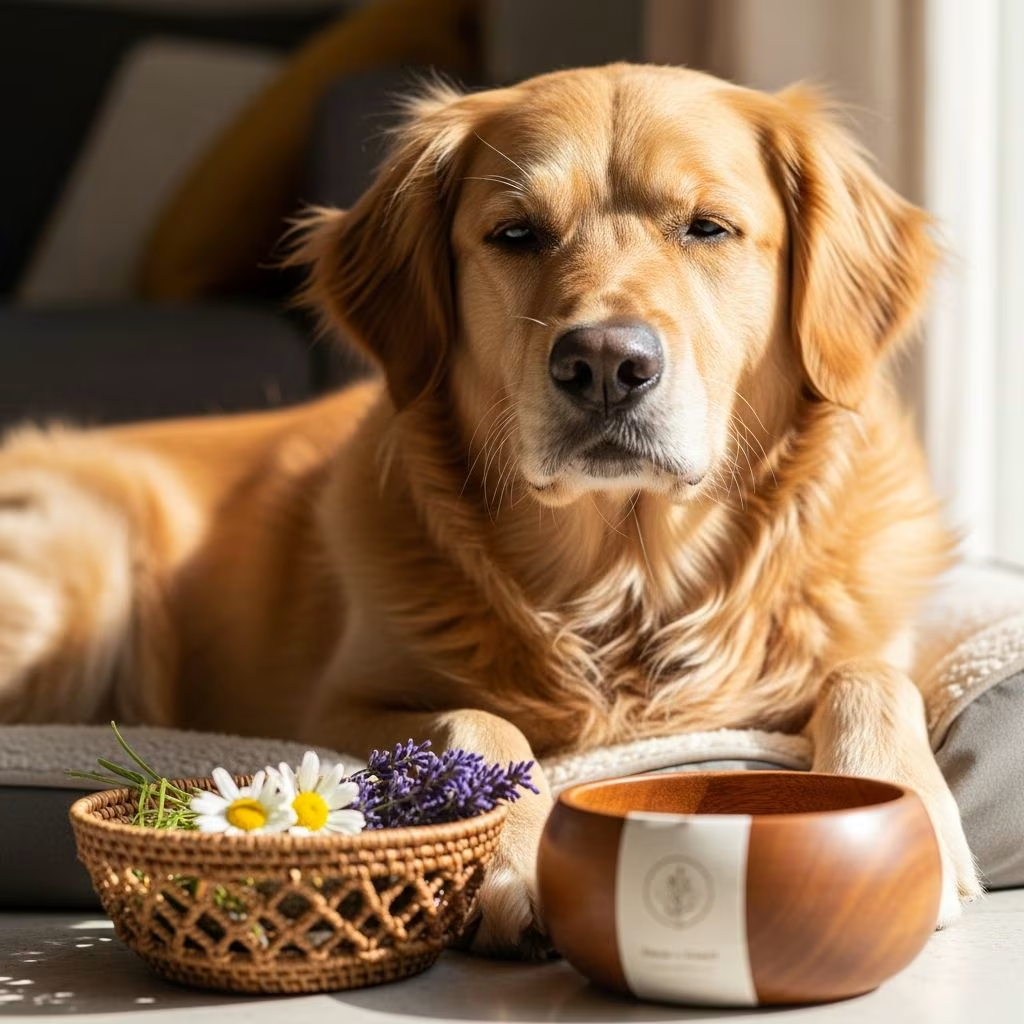
Providing comfort to a dog experiencing pain requires careful consideration of both conventional and natural approaches. While prescription medications play a key role, many pet owners seek complementary methods to minimize side effects and enhance overall well-being. This guide outlines proven strategies, drawing from veterinary insights on supplements, therapies, and home techniques to support your dog’s recovery and daily comfort.
Recognizing Signs of Pain in Canines
Dogs often hide discomfort, making early detection essential. Common indicators include limping, reluctance to jump or climb stairs, excessive panting, whining, changes in appetite, or unusual aggression. Behavioral shifts like reduced playfulness or hiding can also signal issues. Observing these cues allows for timely intervention, preventing pain from escalating.
Chronic conditions such as osteoarthritis affect many senior dogs, leading to joint stiffness and mobility challenges. Acute injuries from play or accidents may cause swelling and sensitivity. Veterinary assessment is crucial to diagnose the root cause before applying any relief measures.
Prescription Medications: The Foundation of Pain Management
Veterinarians typically start with pharmaceuticals tailored to the dog’s condition. Non-steroidal anti-inflammatory drugs (NSAIDs) like carprofen reduce inflammation and pain effectively for arthritis. Gabapentin and tramadol address neuropathic or severe pain, while amantadine supports chronic cases. These options provide rapid relief but require monitoring for gastrointestinal or organ-related side effects with long-term use.
Herbal Supplements for Natural Anti-Inflammatory Effects
Herbs offer potent alternatives or adjuncts to drugs, targeting inflammation at its source. Key options include:
- Turmeric (Curcumin): Rich in curcumin, this spice inhibits inflammatory pathways similar to NSAIDs. Administer 1/4 tsp per 10 lbs of body weight daily, mixed into food.
- Boswellia: Extracted from the Boswellia serrata tree, it improves joint mobility and reduces pain markers in studies on dogs with osteoarthritis.
- Devil’s Claw: Effective for joint pain, it promotes circulation and eases stiffness without sedation.
- Ginger: Fresh minced root (1/4-3/4 tsp based on size) stimulates blood flow, acts as an antioxidant, and supports digestion alongside pain relief.
- Corydalis: A Traditional Chinese Medicine herb that clears stagnation, enhances Qi flow, and alleviates soreness.
Always source high-quality, pet-specific products and consult a vet for dosing, as interactions with medications are possible.
Joint-Supporting Nutraceuticals
Supplements rebuild cartilage and lubricate joints over time. Popular choices are:
| Supplement | Benefits | Dosage Guideline | Source Support |
|---|---|---|---|
| Glucosamine & Chondroitin | Repairs cartilage, reduces stiffness | 20 mg/lb daily | |
| Green-Lipped Mussel | Omega-3s block pain signals, minimal side effects | 15-20 mg/lb | |
| Omega-3 Fatty Acids (Fish Oil) | Lowers inflammation, supports immunity | 100 mg EPA/DHA per 10 lbs | |
| Yucca | High success for arthritis, combines with licorice | 1/2 tsp powder per lb food | |
| New Zealand Deer Velvet | Joint support via ancient Chinese use | Vet-recommended dose |
These build cumulative benefits, often noticeable after 4-6 weeks. Combine with diet for optimal results.
Physical and Thermal Therapies at Home
Non-invasive techniques provide immediate solace. Cold therapy with ice packs (wrapped, 10-15 minutes) constricts vessels, curbing swelling post-injury[10]. Warm compresses dilate vessels, boosting circulation for chronic stiffness—apply for 10-20 minutes[10].
Massage enhances blood flow, relaxes muscles, and eases tension. Use gentle strokes on affected areas, ideally learning from a canine rehab specialist. Epsom salt soaks for paws or joints leverage magnesium for relaxation; supervise closely with lukewarm water.
Alternative and Holistic Therapies
Professional interventions yield lasting gains:
- Acupuncture/Acupressure: Stimulates points to release endorphins, reducing pain by 30-50% in many cases.
- Laser Therapy: Low-level light penetrates tissues, accelerating healing and inflammation reduction.
- Physical Therapy: Customized exercises strengthen muscles, improve range of motion.
- Red Light Therapy: Home devices cut inflammation effectively.
Seek certified practitioners for safety and efficacy.
Lifestyle Adjustments for Long-Term Comfort
Preventive habits amplify relief efforts. Orthopedic bedding cushions joints during rest. Gentle, low-impact exercise like swimming maintains mobility without strain. Weight management via balanced diets curbs joint stress—aim for ideal body condition score.
Environmental tweaks, such as ramps for furniture or non-slip floors, minimize injury risk. Dietary shifts incorporating anti-inflammatory foods (e.g., fatty fish) support internal healing.
Integrating Approaches: A Multimodal Plan
Combine methods for synergy: NSAIDs with supplements, therapies alongside lifestyle changes. Multimodal plans reduce drug reliance, mitigating risks like kidney strain. Track progress with a pain journal noting mobility, appetite, and mood.
Potential Risks and Veterinary Guidance
Natural does not mean risk-free. Overdosing herbs may cause digestive upset; quality varies. Pregnant dogs or those with liver issues need caution. Always vet-approve plans, especially with existing meds, to avoid interactions.
FAQs on Dog Pain Relief
What are the safest natural pain relievers for dogs?
Turmeric, boswellia, glucosamine, and cold therapy rank highly for safety and efficacy when dosed correctly.
Can CBD help with dog pain?
Yes, CBD oil reduces inflammation and anxiety; start low under vet supervision.
How long do joint supplements take to work?
Typically 4-8 weeks for noticeable improvements in mobility.
Is massage safe for injured dogs?
Gentle massage aids recovery but avoid swollen areas; consult a pro first.
Are there foods that naturally reduce dog inflammation?
Omega-rich fish, ginger, and turmeric in moderation support anti-inflammatory effects.
Empowering your dog with tailored relief improves quality of life significantly. Collaborate with professionals for personalized strategies.
References
- 10 Natural Dog Pain Relief Methods & Options — Lolahemp. 2023. https://lolahemp.com/blogs/dog-health/natural-pain-relief-for-dogs
- Natural Pain Relief for Dogs: 17 Methods from a Vet — ToeGrips. 2024. https://toegrips.com/natural-pain-relief-for-dogs/
- Stop Your Dog’s Pain Naturally: 5 Herbal Pain Relievers That Work! — YouTube (Dr. Jones). 2023. https://www.youtube.com/watch?v=o8hlip2NRIw
- 4 Natural Pain Relief Options For Dogs — Franklin TN Vet (Marc Smith DVM). 2023. https://franklintnvet.com/4-natural-pain-relief-options-for-dogs/
- Natural Pain Relief for Dogs: Herbal and Lifestyle Remedies — Native Pet. 2024. https://nativepet.com/blogs/health/natural-pain-relief-for-dogs
- Top 10 Herbs For Natural Pain Relief — Dogs Naturally Magazine. 2023. https://www.dogsnaturallymagazine.com/top-10-herbs-for-natural-pain-relief/
- Natural Pain Relief for Dogs at Home — MedcoVet. 2024. https://medcovet.com/blog/natural-pain-relief-for-dogs-at-home/



