

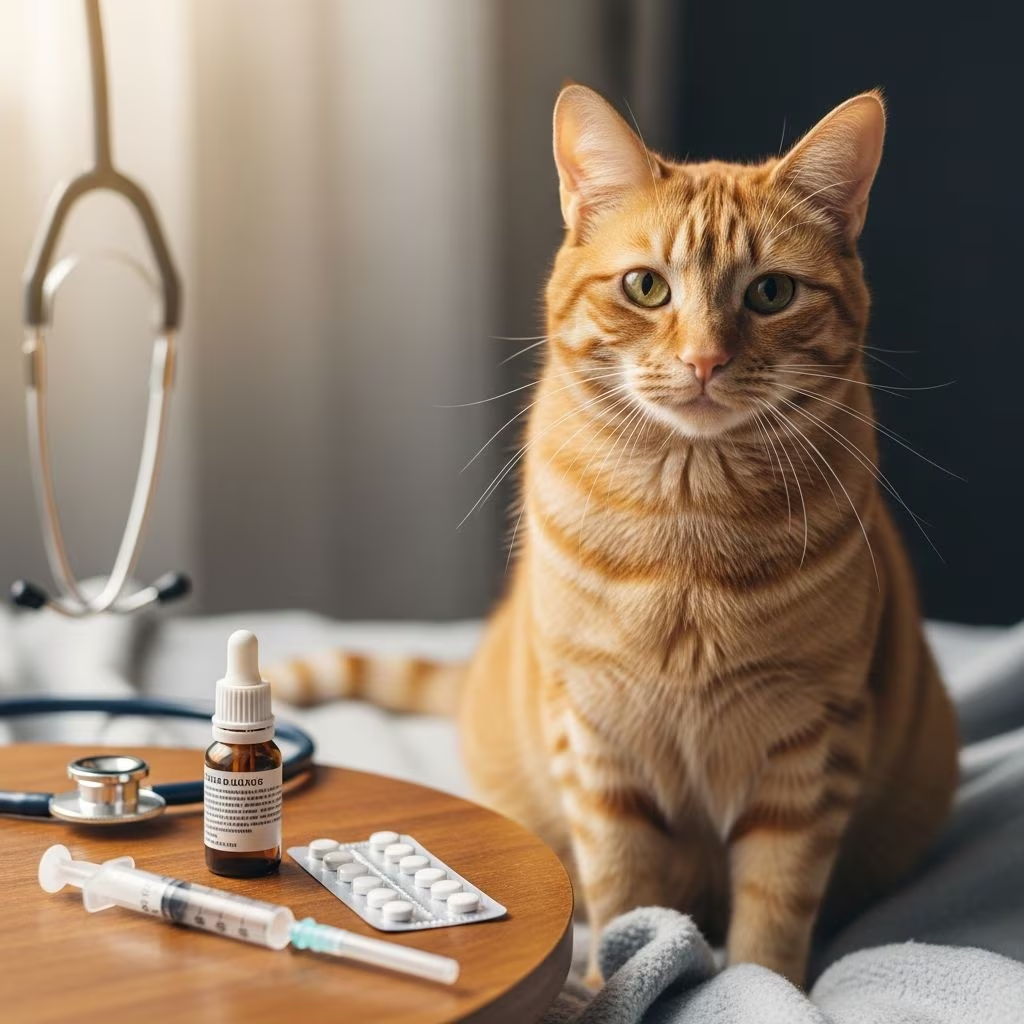
Cats often hide pain due to their instinctual nature, making it challenging for owners to recognize when their pet needs relief. Veterinary-prescribed medications provide the safest way to alleviate discomfort from injuries, surgeries, arthritis, or chronic conditions, while human drugs pose severe risks.
Recognizing Pain in Felines
Feline pain manifests subtly compared to dogs. Owners might notice changes in behavior such as reduced activity, hiding more often, aggression when touched, or alterations in grooming habits. Appetite loss, vocalizing, or limping can also signal discomfort. Early detection allows for timely intervention, preventing pain from escalating.
Veterinarians use validated pain scales, like the Feline Grimace Scale, to assess severity objectively. These tools evaluate facial expressions, ear position, and orbital tightening to guide treatment decisions.
Dangers of Human Painkillers for Cats
Common over-the-counter human medications are highly toxic to cats due to their unique metabolism, lacking key liver enzymes for safe drug breakdown. Administering these without veterinary oversight can lead to fatal outcomes.
- Acetaminophen (Tylenol): Even a single regular-strength tablet destroys red blood cells, causes liver failure, and leads to death. Cats cannot metabolize it properly.
- Ibuprofen (Advil) and Naproxen (Aleve): These NSAIDs trigger kidney failure, gastrointestinal ulcers, and bleeding disorders within hours of ingestion.
- Aspirin: While sometimes used in precise veterinary doses, improper administration causes vomiting, ulcers, and toxicity because of slow feline clearance.
No over-the-counter human pain relievers are safe or effective for cats. Natural supplements like CBD or herbal remedies must also be vet-approved to avoid interactions.
Veterinary-Approved Pain Medications
Vets tailor pain relief to the cat’s age, health status, and pain type using FDA-approved or off-label drugs with proven safety profiles. Bloodwork and monitoring ensure minimal risks.
Nonsteroidal Anti-Inflammatory Drugs (NSAIDs)
NSAIDs reduce inflammation and pain by blocking COX enzymes. They are first-line for mild to moderate issues like post-surgical recovery or osteoarthritis.
| Medication | Approved Use | Duration | Potential Side Effects |
|---|---|---|---|
| Robenacoxib (Onsior) | Post-surgery acute pain | Up to 3 days | Vomiting, diarrhea, kidney concerns |
| Meloxicam (Metacam) | Single injectable dose; off-label oral for chronic | Short-term; monitored long-term | Kidney risk with repeated use |
| Carprofen | Off-label for various pains | Monitored dosing | GI upset, rare liver issues |
No NSAIDs are FDA-approved for long-term feline use, but recent guidelines support monitored administration in stable cats. Administer with food and regular check-ups.
Opioids for Moderate to Severe Pain
Opioids like buprenorphine provide potent relief for acute injuries or cancer without inflammation reduction. They bind to brain receptors to dull pain signals. Buprenorphine is sublingual, easy to dose at home, with low addiction risk in short-term veterinary use.
Side effects include sedation or constipation, but these are manageable.
Adjunct Therapies
Amantadine blocks neuropathic pain signals and pairs well with NSAIDs for arthritis. Gabapentin calms nerve pain and reduces anxiety during vet visits. These multimodal approaches enhance efficacy while minimizing doses of any single drug.
Long-Term Pain Management Strategies
Chronic conditions like degenerative joint disease (DJD) or dental issues affect many senior cats. The 2024 ISFM/AAFP guidelines outline protocols for sustained NSAID use, emphasizing pre-treatment screening for kidney/liver function, ongoing monitoring, and lifestyle adjustments.
- Baseline bloodwork before starting therapy.
- Quarterly rechecks for organ function.
- Combine with weight management, joint supplements (glucosamine), and environmental enrichments like ramps.
Studies confirm meloxicam and robenacoxib safety in older cats with mild comorbidities when monitored.
Holistic and Supportive Care
Non-drug options complement medications. Acupuncture targets pain points, laser therapy promotes healing, and physical therapy builds mobility. Omega-3 fatty acids reduce inflammation naturally. Always integrate these under vet guidance to track progress.
When to Seek Veterinary Care
Consult a vet immediately for signs of pain or injury. Do not attempt home remedies with human meds. Telemedicine can initiate assessments, but physical exams confirm diagnoses. Post-surgery or chronic pain follow-ups ensure optimal control.
Frequently Asked Questions
Can cats have baby aspirin for pain?
No, even low doses risk toxicity without vet supervision. Safer alternatives exist.
Are CBD oils safe for cat pain relief?
Limited evidence; potential for liver strain. Vet approval required before use.
How do I know if my cat is in pain?
Watch for hiding, appetite changes, mobility issues, or facial grimacing. Use pain scales with your vet.
What’s the safest NSAID for cats?
Robenacoxib for short-term; meloxicam under monitoring for longer needs, per guidelines.
Can I give my cat tramadol?
Variable efficacy in cats; only under vet prescription due to inconsistent absorption.
Effective pain management improves quality of life, fostering a happier, more active cat. Partner with your veterinarian for personalized plans.
References
- Pain Meds for Cats: What Can You Give a Cat for Pain? — UrgentVet. 2023. https://urgentvet.com/what-can-you-give-cat-pain-meds/
- Get the Facts about Pain Relievers for Pets — FDA. 2022-10-03. https://www.fda.gov/animal-veterinary/animal-health-literacy/get-facts-about-pain-relievers-pets
- ISFM, AAFP update guidelines on long-term NSAID use in cats — AVMA. 2024-04. https://www.avma.org/news/isfm-aafp-update-guidelines-long-term-nsaid-use-cats
- Are Over-the-Counter Pain Medications Harming Your Pet? — Plum Vet. 2023. https://plumvet.com/are-over-the-counter-pain-medications-harming-your-pet/
- Painkillers for cats — Joii Pet Care. 2024. https://www.joiipetcare.com/blogs/procedures-and-medication/painkillers-for-cats



