

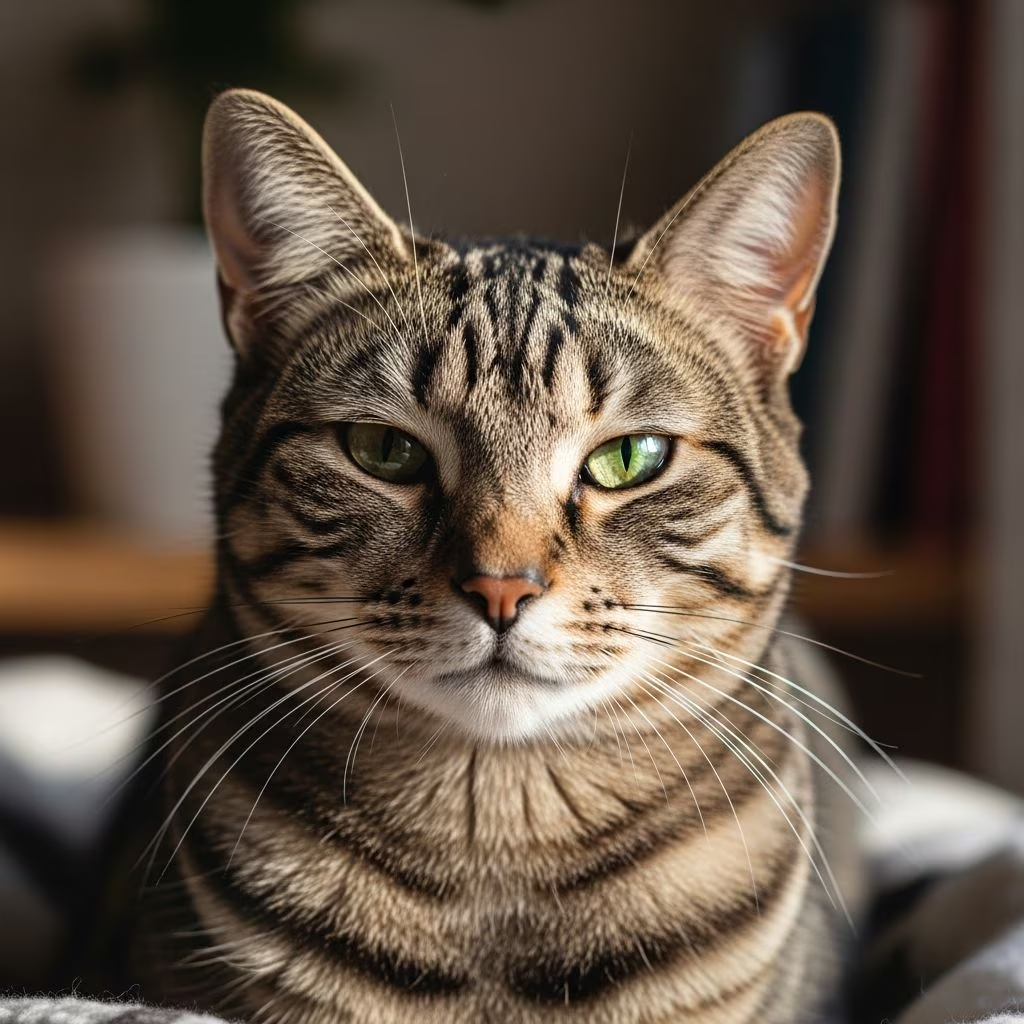
Cats often hide their pain, making it essential for owners to learn recognition cues and safe management strategies. This guide covers identifying discomfort, veterinary options, and natural home remedies to improve your cat’s quality of life.
Recognizing Subtle Signs of Discomfort in Felines
Feline pain manifests differently than in dogs or humans, with cats instinctively masking symptoms to avoid appearing vulnerable. Key indicators include changes in posture, such as a hunched back or tense abdomen, reduced appetite, and altered grooming habits where they neglect their coat or over-groom sore areas. Vocalizations like excessive meowing, growling, or hissing during touch, along with limping, reluctance to jump, or hiding more than usual, signal underlying issues. Behavioral shifts, including aggression toward familiar people or pets, lethargy, and dilated pupils, further confirm distress. Early detection allows timely intervention, preventing chronic conditions from worsening.
Common Causes of Pain in Household Cats
Understanding pain origins helps target relief effectively. Arthritis tops the list, especially in seniors, causing joint stiffness from cartilage wear. Injuries like sprains from falls or fights lead to acute soreness. Dental problems, including abscesses or broken teeth, provoke mouth pain evident in drooling or pawing at the face. Urinary tract infections cause lower abdominal discomfort, often with straining in the litter box. Cancer, wounds, and post-surgical recovery also contribute. Chronic issues like inflammatory bowel disease add ongoing gastrointestinal aches. Identifying the root through observation and vet exams guides appropriate treatments.
Veterinary Approaches to Feline Pain Management
Professional care remains the cornerstone for severe or persistent pain. Vets assess via physical exams, bloodwork, and imaging like X-rays to pinpoint causes. Prescription medications, including opioids like buprenorphine for short-term relief and gabapentin for nerve pain, offer potent control. Non-steroidal anti-inflammatories (NSAIDs) such as meloxicam suit arthritis but require monitoring for kidney risks. Multimodal therapy combines drugs with therapies for optimal results. Always follow dosing precisely, as felines metabolize drugs differently, risking toxicity from human products like acetaminophen or ibuprofen, which can cause fatal liver or kidney failure.
Natural Supplements for Easing Cat Discomfort
Many owners seek holistic alternatives to minimize medication side effects. These supplements support joint health and reduce inflammation when vet-approved.
- Omega-3 Fatty Acids: Sourced from fish oil, these combat inflammation in arthritis and skin issues, improving mobility. Start with vet-recommended doses to avoid digestive upset.
- Glucosamine and Chondroitin: These build cartilage, aiding joint lubrication for osteoarthritic cats. Effects build over weeks with consistent use.
- CBD Oil: Hemp-derived, it modulates the endocannabinoid system for pain and anxiety relief. Opt for pet-specific, third-party tested products; dosages vary by weight.
- Turmeric (Curcumin): Its anti-inflammatory properties soothe joints and support liver function. Mix tiny amounts with fats like coconut oil for absorption; limit to 1/8 teaspoon daily for adults.
Physical Therapies to Promote Comfort at Home
Non-invasive techniques enhance circulation and relaxation without drugs.
- Heat and Cold Therapy: Warm compresses relax muscles for chronic pain; cold packs reduce acute swelling. Use towels-wrapped sources for 10-15 minutes, ensuring comfort.
- Massage: Gentle strokes along the back and limbs ease tension. Watch body language to avoid overstimulation.
- Laser Therapy: Low-level lasers, often vet-administered, penetrate tissues to accelerate healing and cut inflammation.
- Acupuncture: Needle insertion at energy points relieves arthritis and nerve pain; certified practitioners ensure safety.
Environmental tweaks like ramps for high spots, orthopedic beds, and low-entry litter boxes support mobility.
Herbal and Homeopathic Options for Feline Relief
Time-tested botanicals offer gentle aid.
| Remedy | Benefits | Usage Tips |
|---|---|---|
| Arnica | Reduces bruising, trauma pain | Topical gel or oral pellets; dilute properly |
| Rhus Toxicodendron | Eases stiff joints, arthritis | Homeopathic dilution; vet-guided dosing |
| Traumeel | Anti-inflammatory for injuries | Ointment or tablets for broad pain types |
| Chamomile | Calms anxiety-related tension | Diluted tea or extract in food |
Consult holistic vets for personalization, as potency varies.
Holistic Lifestyle Changes for Long-Term Wellness
Preventive habits amplify relief efforts. Maintain ideal weight through portion control and high-protein diets to lessen joint strain. Encourage gentle exercise via interactive toys or puzzle feeders. Pheromone diffusers mimic calming scents, reducing stress-exacerbated pain. Heated beds soothe aches during sleep. Regular check-ups catch issues early. Diets rich in antioxidants from quality canned foods support overall vitality, minimizing grain fillers unnatural to felines.
Step-by-Step Guide to Implementing Home Relief
- Observe and document symptoms for 24-48 hours.
- Schedule a vet visit for diagnosis and clearance on remedies.
- Introduce one supplement at a time, monitoring for reactions.
- Apply therapies daily, adjusting based on response.
- Track improvements in a journal; reassess with vet bi-monthly.
Potential Risks and When to Seek Urgent Care
Natural options aren’t risk-free. Overdosing turmeric may upset stomachs; poor-quality CBD risks contaminants. Watch for vomiting, diarrhea, lethargy, or worsening mobility post-remedy. Seek emergency care for inability to eat/drink, breathing difficulties, seizures, or blood in urine/stool. Never use essential oils topically without dilution, as they can burn skin.
FAQs on Feline Pain Management
Can cats have aspirin for pain?
No, aspirin risks gastrointestinal ulcers and bleeding in cats; vet-prescribed alternatives are safer.
Is CBD safe for daily cat use?
Yes, in proper doses from reputable sources, but vet approval ensures compatibility with health conditions.
How long until natural remedies work?
Weeks for supplements like omega-3s; immediate for heat therapy. Patience and consistency key.
What diet helps arthritic cats?
High-moisture, joint-support formulas with omega-3s and glucosamine reduce inflammation.
Can massage hurt my cat?
Not if gentle; stop if they tense or vocalize. Learn techniques from pros.
References
- DIY Natural Pain Relievers for Cats: Homeopathic Remedies Guide — Holistic Vet Blend. 2023. https://holisticvetblend.com/blogs/news/diy-natural-pain-relievers-for-cats-homeopathic-remedies-guide
- Natural Pain Relief for Cats at Home — Lolahemp. 2024. https://lolahemp.com/blogs/cat-health/best-natural-pain-relief-for-cats-lolahemp
- 7 Ways to Relieve Your Cat’s Pain at Home — PetPlace.com. 2023-10-15. https://www.petplace.com/article/cats/pet-care/cat-in-pain
- Vet-Approved: 11 Natural Home Remedies for Pain Relief in Cats — Zumalka. 2024. https://www.zumalka.com/blogs/blog-pet-health/vet-approved-natural-pain-relief-cats
- Natural Pain Relief for Cats — PetMD. 2025-01-20. https://www.petmd.com/cat/general-health/natural-pain-relief-cats



