

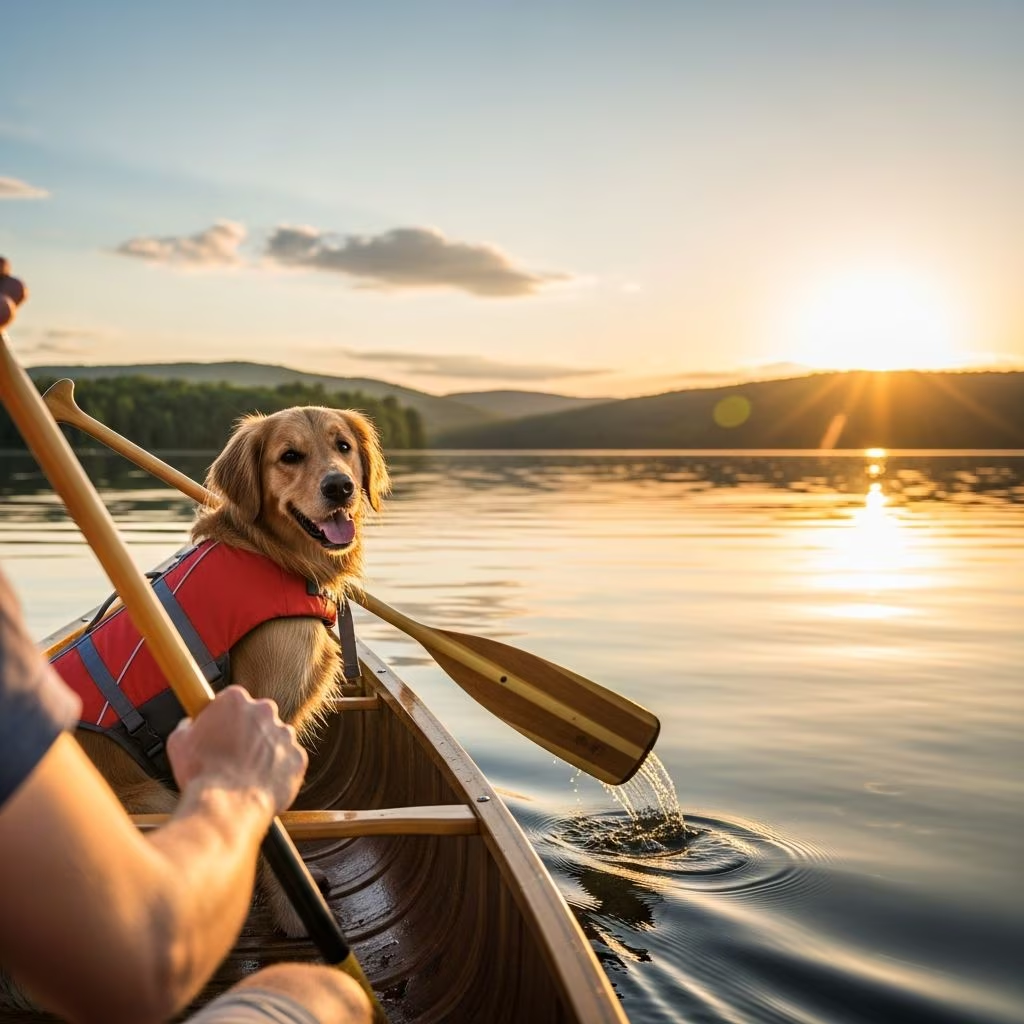
Bringing your dog along for paddlesports like stand-up paddleboarding (SUP), kayaking, or canoeing can create unforgettable bonding experiences on the water. However, these activities demand careful preparation to protect both you and your pet from risks such as capsizing, dehydration, or injuries. This guide outlines proven strategies drawn from expert recommendations to ensure every trip is secure and enjoyable.
Essential Gear for Canine Water Safety
Outfitting your dog with the right equipment is the foundation of safe paddling. Prioritize items that enhance buoyancy, visibility, and comfort without hindering movement.
- Dog Life Jacket: Essential for all dogs, regardless of swimming ability. Choose a well-fitted model with a handle for easy retrieval and multiple adjustment points for a snug fit. Allow your dog time to acclimate on land before water trials.
- Protective Eyewear (Doggles): Shields eyes from splashes, UV rays, and debris, particularly useful in bright or choppy conditions.
- Booties or Paw Protection: Prevents cuts from sharp rocks or hot surfaces, but test for swimming interference.
- Collapsible Water Bowl and Fresh Water: Prevents ingestion of harmful saltwater or overconsumption of freshwater, reducing risks of salt poisoning or water intoxication.
- Sunscreen and Towels: Apply pet-safe sunscreen to exposed skin areas; keep towels handy for drying to avoid chills.
Your personal flotation device (PFD) is non-negotiable, as assisting a dog in water adds exertion. Statistics from paddling authorities highlight that most drownings involve non-PFD wearers.
Building Your Dog’s Water Confidence
Not all dogs are natural water lovers. Gradual introduction builds trust and prevents panic-induced mishaps.
- Assess Swimming Skills: Test in shallow, calm waters. Even strong swimmers benefit from life jackets for flotation support.
- Teach Core Commands: Master “sit,” “stay,” “come,” and “down” on land first. These prevent sudden jumps that could unbalance the craft.
- Practice Loading and Unloading: Establish routines where dogs enter/exit only on command, minimizing shore capsizes which are common.
- Start Small: Begin in quiet, dog-friendly areas with minimal traffic. Kneel or sit initially for stability.
Tire energetic dogs with pre-trip exercise to promote calm behavior. Use treats to reinforce positive associations with the board or boat.
Mastering Paddling Techniques with a Canine Partner
Human-dog teamwork requires practiced balance and positioning to handle weight shifts.
| Dog Size | Ideal Board/Craft Position | Balance Tips |
|---|---|---|
| Small (<25 lbs) | Nose or front third | Keeps weight forward for easier paddling; secure with gentle commands. |
| Medium (25-50 lbs) | Middle section | Between feet for control; practice paddle swings to avoid hits. |
| Large (>50 lbs) | Tail (rear third) | Distributes weight rearward; kneel near hazards. |
Practice solo first until confident in falling, remounting, and maneuvering. With your dog aboard, kneel initially, then progress to standing in open water. Never stand near docks or boats.
Remove leashes once afloat to avoid tangles—never tether. If leash control is needed, delay the trip.
Navigating Common Water Hazards
Lakes, rivers, and oceans present unique dangers amplified by a dog’s presence.
- Saltwater Risks: Can cause vomiting, diarrhea, or fatal poisoning. Monitor mood changes and provide ample fresh water.
- Freshwater Overload: Rare water intoxication dilutes electrolytes, leading to lethargy—vet immediately if suspected.
- Shoreline Debris: Sharp objects injure paws; carry bandages and know nearest vet locations.
- Wildlife and Boats: Research local fauna; check area regulations to avoid fines.
- Weather Shifts: Wind or currents challenge stability—paddle within limits.
First Aid Kit and Emergency Preparedness
A compact kit ensures quick response to cuts, stings, or exhaustion.
- Dry towels for warmth
- Self-adhesive bandages and gauze
- Disinfecting wipes and saline flush
- Dog-safe antihistamine (vet-approved)
- Tweezers for thorns/ticks
- Emergency whistle and vet contacts
Enroll in pet first aid courses. Learn CPR basics and heatstroke signs like excessive panting. Practice dog retrievals using life jacket handles in shallows—never by collar.
Choosing Dog-Friendly Paddling Spots
Select calm waters with easy access and pet policies. Verify permissions, launch points, and restrictions via local authorities. Off-peak times reduce boat traffic, easing introductions.
Health Checks Before and After Trips
Consult vets for pre-trip exams, especially for seniors or those with joint issues. Post-trip, rinse to remove salt/chlorine, check paws/ears, and monitor for delayed symptoms.
Frequently Asked Questions (FAQs)
Can any dog learn to paddleboard?
Most can with patient training, but anxious or mobility-impaired dogs may need alternatives like shore walks.
What if my dog jumps off repeatedly?
Calmly assist back using the life jacket handle. Practice commands and tire them out beforehand to curb excitement.
Is a life jacket enough protection?
No—combine with training, PFDs, and first aid for comprehensive safety.
How do I prevent sunburn on my light-skinned dog?
Use vet-approved sunscreen on nose, ears, and belly; reapply as needed.
What’s the best board type for dogs?
Wide, stable inflatable SUPs (10-11 ft, 300+ lbs capacity) offer forgiveness for movement.
Long-Term Training for Seasoned Paddling Partners
Regular outings refine skills. Gradually increase duration and challenge levels, always prioritizing safety. Track progress in a journal to note improvements in balance and obedience.
Community groups and classes for dog paddling provide supervised practice and socialization opportunities.
References
- The Complete Guide To Paddle Boarding With Dogs — Cruiser SUP. 2023. https://www.cruisersup.com/pages/paddle-boarding-with-dogs
- How to Stand-Up Paddle Board With Your Dog — American Kennel Club (AKC). 2024-05-15. https://www.akc.org/expert-advice/travel/paddle-board-with-dog/
- Canine Canoeing Tips for Successful Dog Paddling — Vermont Paddle Pups. 2022. https://vermontpaddlepups.com/canoe-canoeing-our-tips-for-successful-dog-paddling/
- Dog Water Safety | Paddle Boarding With Your Dog — Whole Dog Journal. 2024. https://www.whole-dog-journal.com/lifestyle/paddlesports-safety-with-your-dog/
- Tips for Canoeing or Kayaking with Dogs — Go Pet Friendly. 2023. https://www.gopetfriendly.com/blog/tips-canoeing-kayaking-dogs/
- Keep Your Dog Safe on the Water with These Paddling Safety Tips — Northern Oaks Veterinary Hospital. 2024-03-10. https://www.northernoaksvet.com/services/dogs/blog/keep-your-dog-safe-water-these-paddling-safety-tips



