

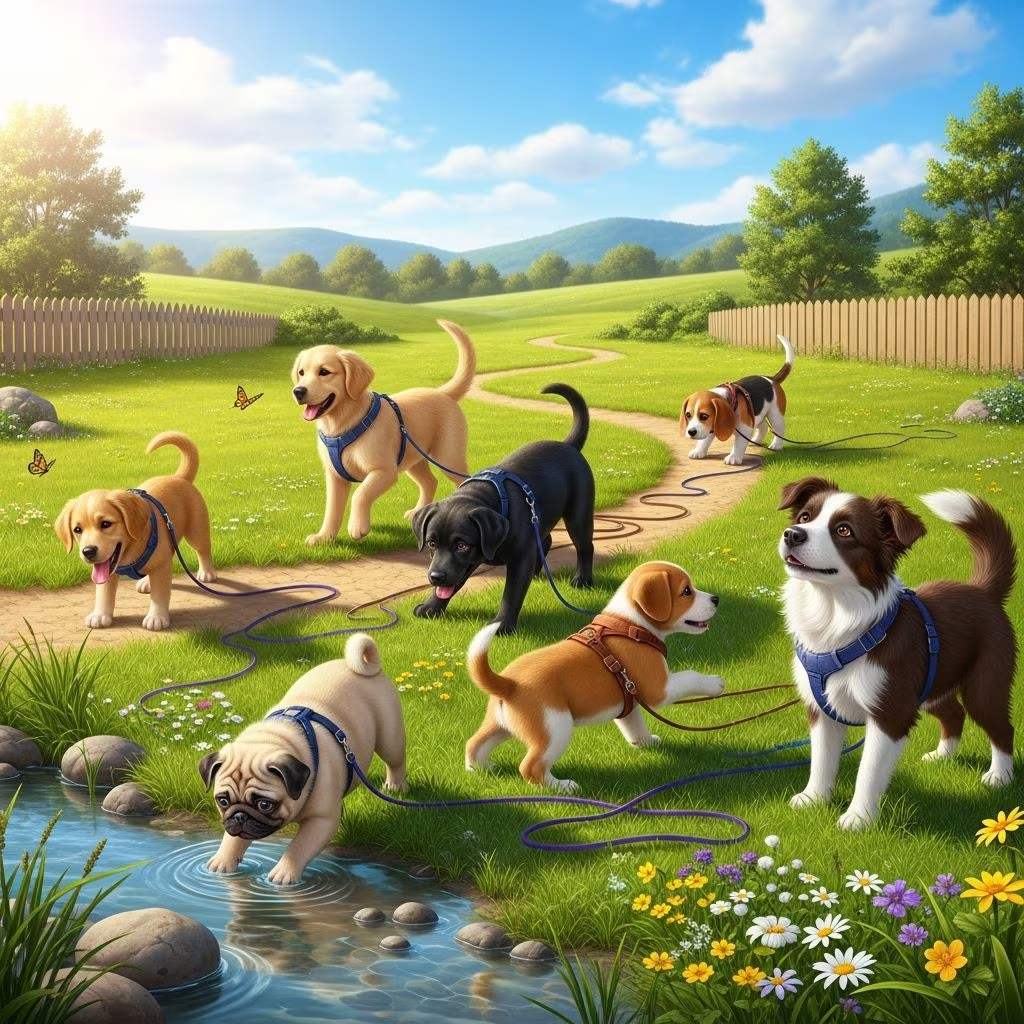
Puppies thrive on exploration, but timing their first outdoor experiences correctly ensures their health and safety. Typically, limited backyard access begins immediately if secured, while public outings wait until after full vaccinations around 16-20 weeks.
Understanding Puppy Development Stages for Outdoor Access
Puppies enter the world with developing immune systems, making them vulnerable to infections from environmental pathogens. The critical period starts from birth, where littermates and mother provide initial antibodies via colostrum. By 6-8 weeks, when most puppies go to new homes, maternal protection wanes, necessitating prompt veterinary care.
During weeks 8-12, focus on indoor socialization and basic training. Limited outdoor time in fully controlled spaces like a sanitized backyard minimizes risks. Full immunity develops post-second vaccination series, often at 12-16 weeks, but vets recommend waiting 1-2 weeks more for titer confirmation.
- Neonatal phase (0-3 weeks): No outdoor exposure; confined to whelping area.
- Weaning phase (3-8 weeks): Breeder-managed outdoor time only.
- Home adjustment (8-12 weeks): Backyard potty breaks with supervision.
- Vaccination completion (12-20 weeks): Gradual public introduction.
Backyard Basics: Creating a Secure Puppy Playground
Your backyard serves as the ideal first outdoor arena, offering fresh air and exercise without public disease risks. Secure fencing prevents escapes, while removing hazards protects curious noses.
Inspect boundaries for gaps under gates or weak panels. A fence height of at least 4-6 feet deters jumping, depending on breed. Bury chicken wire 12 inches underground to block digging attempts. Designate a potty zone with gravel or mulch for easy cleanup.
| Hazard | Solution |
|---|---|
| Toxic plants (e.g., azaleas, lilies) | Relocate or remove; plant dog-safe alternatives like marigolds. |
| Standing water/puddles | Drain areas; provide fresh bowl water. |
| Sharp tools/chemicals | Store in locked sheds. |
| Pool access | Install 4-foot barrier gate with self-latch. |
Supervise all sessions, limiting initial outings to 10-15 minutes. Gradually increase as your puppy builds confidence. Clean feces promptly to avoid coprophagia.
Vaccination Milestones Before Public Outings
Core vaccines shield against parvovirus, distemper, and rabies. Puppies receive first shots at 6-8 weeks, boosters every 3-4 weeks until 16 weeks. Avoid dog parks or streets until vet clearance.
Backyard play remains safe if no stray animals visit and soil is parasite-free. Family dogs with known health status can interact. Leptospirosis risk from wildlife droppings persists, so monitor for contaminated puddles.
Consult vets for breed-specific advice; small breeds may need extended protection periods. Flea, tick, and heartworm preventives start early, aligning with outdoor readiness.
Gearing Up for Puppy’s First Walks
Once vaccinated, introduce walks with properly fitted harnesses distributing pressure evenly across the chest. Collars suit calm puppies but risk tracheal injury during pulls.
Practice indoors: Let puppy sniff gear, reward calm behavior with treats. Short leashes (4-6 feet) maintain control. Booties protect paws from rough terrain; apply gradually to prevent rejection.
- Collapsible water bowl and bottled water for hydration.
- Dog-safe sunscreen for pink noses/skin.
- Waste bags and wipes for cleanup.
- GPS tracker for security.
Opt for quiet routes: neighborhood sidewalks pre-dawn or post-sunset avoid crowds. Limit first walks to 15 minutes, building to 5 minutes per month of age.
Weather and Seasonal Safety Considerations
Hot pavement burns paws above 85°F; test with your hand for 5 seconds—if too hot for you, skip walks. Early mornings or evenings best in summer. Provide shade, cooling mats during backyard time.
Winter salt irritates pads; rinse paws post-walk. Avoid ice to prevent slips. Year-round, scan for ticks post-hike, using vet-approved repellents.
Signs of distress: excessive panting, drooling, lethargy—seek shade, cool water immediately. Heatstroke risks peak in brachycephalic breeds like Bulldogs.
Hazards to Watch During Outdoor Play
Nature teems with threats: Foxtails embed in fur, toxic berries tempt sniffers. Wildlife like raccoons carry leptospirosis; keep leashed on trails.
Urban dangers include antifreeze puddles (sweet taste deadly) and chocolate wrappers. Train “leave it” command early. Insect bites transmit Lyme disease; check ears, armpits daily.
In parks, avoid unknown dogs to prevent fights or parvo exposure. Carry first-aid: tweezers for thorns, styptic powder for nail trims, Benadryl for allergies (vet-dosed).
Building Puppy Confidence Through Controlled Exposure
Socialization peaks 3-12 weeks; use backyard for novel textures/sounds. Post-vaccines, controlled puppy classes offer vaccinated playmates. Stay calm—puppies mirror owner anxiety.
Desensitize to traffic: Watch from afar, rewarding focus. Hikes suit energetic breeds; match duration to fitness. Overexertion harms growing joints—vet approval for packs (max 10% body weight).
Long-Term Outdoor Habits for Healthy Pups
Daily routines foster well-adjusted adults. Rotate play areas for stimulation. Trail etiquette: Leash unless off-leash zones, yield to hikers, pack out waste.
Annual vet checks ensure ongoing fitness. Microchip and ID tags prevent lost pet tragedies. Balanced adventures build resilient, happy companions.
Frequently Asked Questions
Can an 8-week-old puppy go outside?
Yes, to a secure backyard for potty, but no public areas until vaccinated.
How long after second shots can puppies go to parks?
Wait 7-14 days post-final booster; confirm with vet.
What if my puppy eats something toxic outside?
Call vet or poison hotline immediately; note substance.
Are harnesses better than collars for walks?
Yes, for puppies—they reduce neck strain.
How hot is too hot for puppy paws?
Avoid surfaces over 85°F; walk grass or cool times.
References
- Puppy-Proofing Tips for Your Home And Yard — American Kennel Club. 2023-05-15. https://www.akc.org/expert-advice/puppy-information/puppy-proofing-tips-for-your-home-and-yard/
- When Can Puppies Go Outside? — Purina US. 2024-02-10. https://www.purina.com/articles/dog/puppy/getting-a-puppy/when-can-puppies-go-outside
- Safety tips for exploring the great outdoors with your pet — BC SPCA. 2023-11-20. https://spca.bc.ca/news/pet-outdoors-safety/
- Preparing Your Puppy for the Great Outdoors — Adaptil Blog. 2024-01-08. https://blog.adaptil.com/ca_en/preparing-your-puppy-for-the-great-outdoors
- Dog Outdoor Safety: How to Keep Your Pup Safe During Adventures — Happy Pup Manor. 2023-07-12. https://happypupmanor.com/dog-outdoor-safety/



