

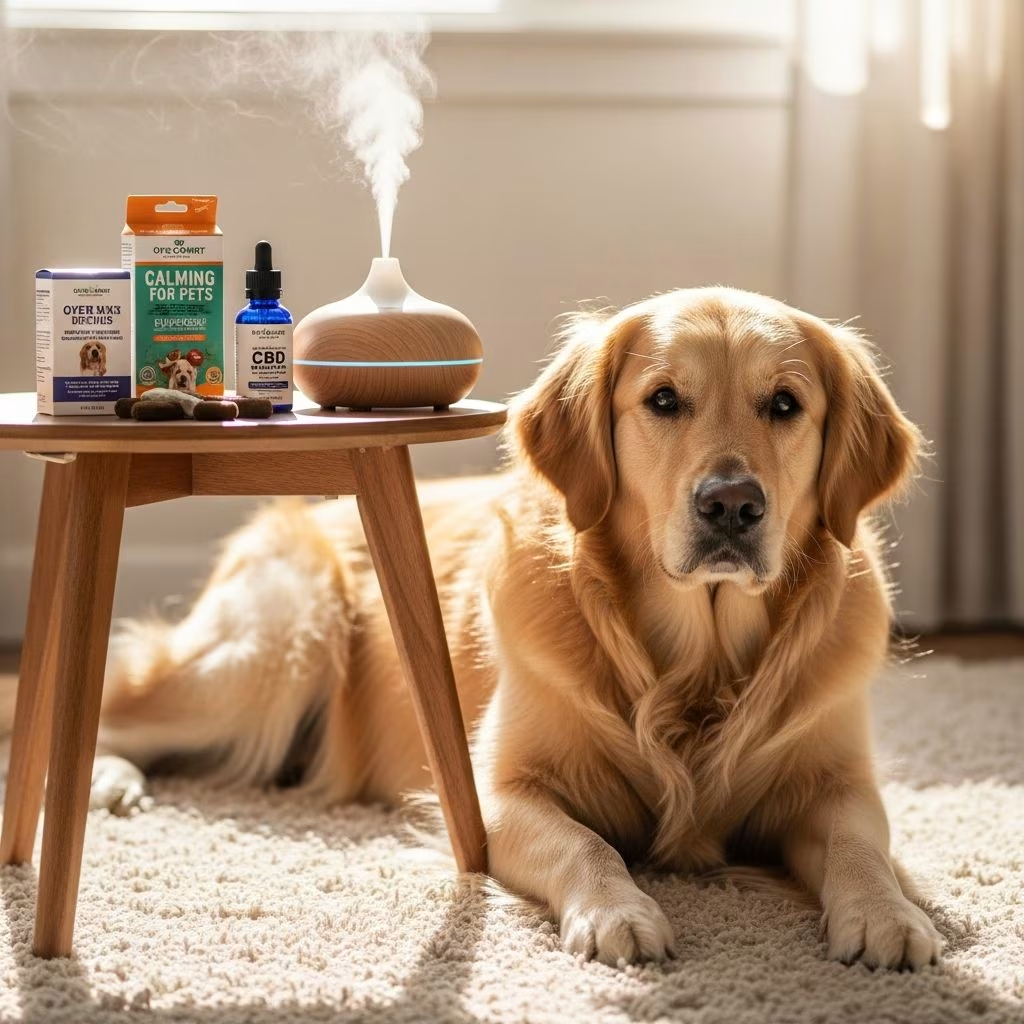
Dogs often experience anxiety from triggers like thunderstorms, travel, or separation, and over-the-counter (OTC) remedies can provide relief when used correctly under veterinary guidance. While no true sedatives are safely available without a prescription, certain antihistamines and supplements offer calming effects with a good safety profile.
Understanding Dog Anxiety and When OTC Helps
Anxiety in dogs manifests as panting, pacing, whining, or destructive behavior, often linked to fear of loud noises, vet visits, or changes in routine. OTC options target mild to moderate cases, promoting relaxation without deep sedation. Veterinary sources emphasize consulting a professional first, as individual health factors influence safety.
Common triggers include:
- Fireworks or thunderstorms
- Car rides and air travel
- Grooming or veterinary exams
- Separation from owners
- New environments or guests
For severe anxiety, prescription medications like trazodone or benzodiazepines may be needed, but OTC starts with accessible choices.
Popular OTC Medications for Calming Dogs
Antihistamines like diphenhydramine (Benadryl) are widely used for their sedative side effects. Always select plain formulations without added decongestants or alcohol.
| Medication | Typical Dosage (per vet guidance) | Common Uses | Notes |
|---|---|---|---|
| Benadryl (Diphenhydramine) | 1 mg per lb of body weight, every 8-12 hours | Anxiety relief, motion sickness, allergies | Safe for most dogs; sedates via drowsiness |
| Melatonin | 1 mg per 20 lbs, 30-60 min before stress | Sleep aid, travel anxiety, noise phobias | Enhances chill protocols with gabapentin |
Benadryl works by blocking histamine, leading to drowsiness that eases anxiety during stressful events. Vets often recommend it for its proven track record, though effects vary by dog. Melatonin, a natural hormone, regulates sleep cycles and calms without heavy sedation.
Calming Treats and Supplements: Natural Alternatives
Supplements formulated for pets use ingredients like L-theanine, chamomile, and tryptophan to promote relaxation. These are ideal for daily or situational use, with studies supporting efficacy in mild cases.
- L-Theanine (Suntheanine): Amino acid from green tea that reduces stress without drowsiness.
- Casein: Milk protein hydrolysate proven to lower cortisol levels.
- Thiamine (Vitamin B1): Supports nervous system health.
- Passionflower: Herbal extract for acute anxiety soothing.
Veterinarians endorse brands backed by research, advising combination with behavior training for best results. Daily use is safe for many products, but check labels and consult for puppies, seniors, or those with conditions. Avoid treats with garlic or xylitol, which are toxic.
Potential Side Effects and Safety Precautions
While generally safe, OTC options can cause issues like dry mouth, lethargy, or gastrointestinal upset. Monitor closely and discontinue if adverse reactions occur.
Key risks include:
- Drowsiness or over-sedation in sensitive dogs
- Urinary retention or rapid heart rate
- Interactions with existing medications
- Paradoxical excitement in some breeds
Pregnant dogs, those with glaucoma, heart disease, or epilepsy require extra caution. Dosage precision is critical—overdosing amplifies risks. The American Veterinary Medical Association (AVMA) discourages sedation for air travel due to breathing complications.
Holistic and Behavioral Strategies to Complement OTC
Pair remedies with non-drug approaches for holistic management. These build long-term resilience without reliance on aids.
- Exercise and Routine: Daily walks reduce baseline stress.
- Desensitization Training: Gradual exposure to triggers with rewards.
- Calming Aids: Thunder shirts apply gentle pressure for comfort.
- Aromatherapy: Lavender or chamomile diffusers (pet-safe).
- Massage and CBD: Gentle petting or vet-approved CBD oils.
Behavior modification, per vet behaviorists, outperforms meds alone for chronic issues.
Situational Use: Tailoring to Specific Triggers
Storm and Fireworks Anxiety
Administer Benadryl or melatonin 1-2 hours prior. Create a quiet den with white noise.
Travel and Motion Sickness
Antihistamines prevent nausea; avoid true sedatives that mask distress. Acclimate with short trips.
Vet Visits and Grooming
Chill protocols with trazodone (Rx) or OTC melatonin/gabapentin combos work pre-appointment.
Veterinary Guidance: The Essential Step
No OTC is universally safe—factors like age, breed, and health history matter. PetMD stresses prescriptions for true sedation, with OTC as adjuncts. Schedule a consult to rule out underlying issues like pain mimicking anxiety.
Frequently Asked Questions
Are there safe OTC sedatives for dogs?
No true sedatives exist OTC; options like Benadryl provide mild calming. Vets prescribe for stronger needs.
What’s the best calming treat for dogs?
Those with L-theanine, melatonin, or casein, backed by studies. Consult vet for your dog’s profile.
Can I give Benadryl daily for anxiety?
Short-term yes, but not for chronic use without vet oversight due to tolerance and side effects.
Do calming treats work for all dogs?
Effective for mild cases; combine with training. Results vary.
Is melatonin safe for puppies?
Yes, at adjusted doses, but vet confirmation needed.
Choosing Quality Products
Opt for NASC-certified supplements (National Animal Supplement Council) for purity. Read labels, avoid unverified imports. Track effects in a journal to refine approaches.
In summary, OTC like Benadryl and calming treats offer accessible relief for dog anxiety, enhanced by holistic methods and vet input. Proactive management improves quality of life for pets and owners.
References
- Dog Anxiety Medication – Over-the-Counter Solutions — Total.Vet. 2024. https://total.vet/dog-anxiety-medication/
- Sedatives for Dogs: How and When to Use Them Safely — PetMD. 2025-02-01. https://www.petmd.com/dog/general-health/sedatives-dogs-how-and-when-use-them-safely
- Dog Sedatives: When and How to Use Them — Bond Vet. 2024. https://bondvet.com/blog/dog-sedative
- Should a Dog be Sedated for Travel? — Tailwind Global Pet. 2024. https://tailwindglobalpet.com/blog/dog-sedatives-for-travel/
- Dog Calming Treats: Uses and Alternatives — AKC. 2025. https://www.akc.org/expert-advice/health/dog-calming-treats/
- Sedation and Anesthesia are Beneficial and Safe — Oviedo Veterinarian. 2024. https://www.oviedoveterinarian.com/sedation-and-anesthesia-are-beneficial-and-safe/
- 6 Best Dog Calming Treats and Supplements of 2025 — PetMD. 2025-01-15. https://www.petmd.com/dog/vet-verified/best-dog-calming-treats-supplements



