

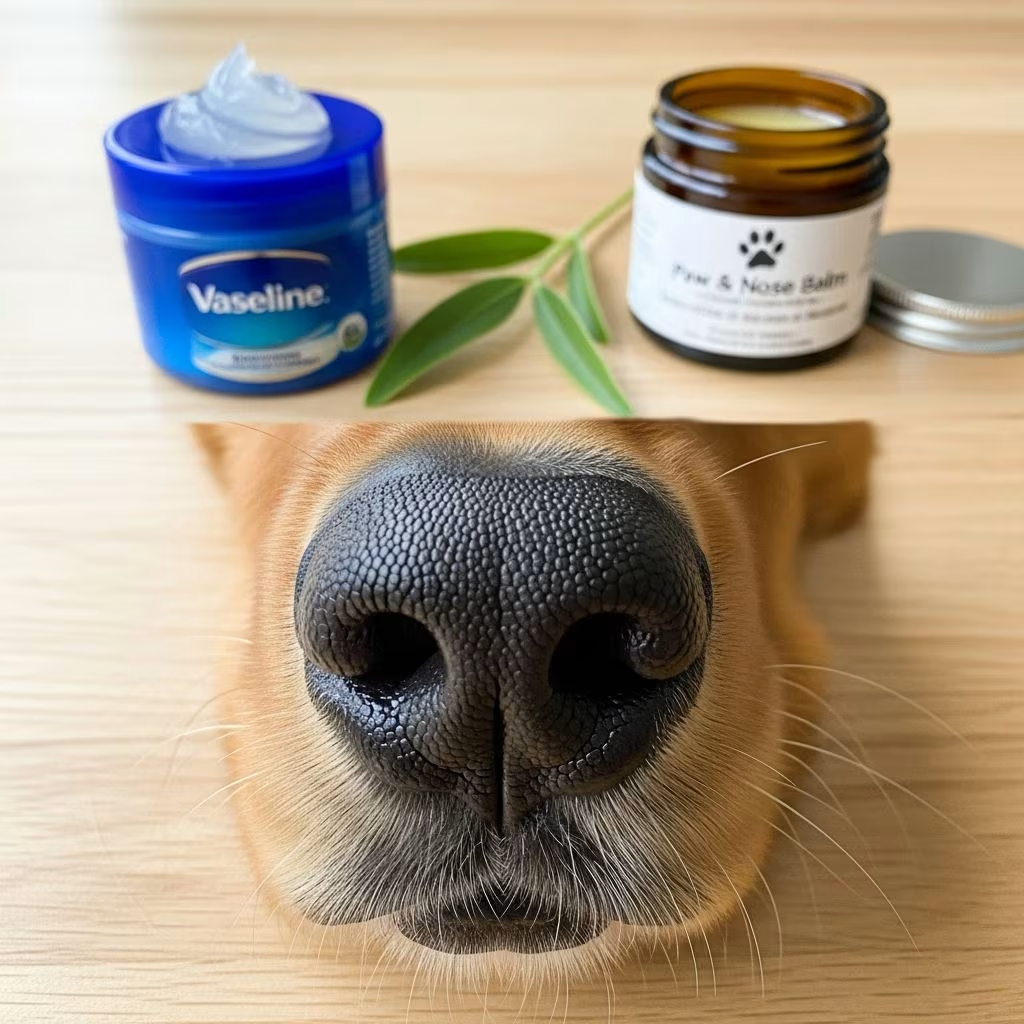
A dog’s nose is a vital sensory organ, constantly exposed to environmental elements, making it prone to dryness, cracks, or excess moisture. Many pet owners wonder about quick fixes like Vaseline, but understanding the right approaches ensures safety and effectiveness. This guide covers causes, treatments, and preventive measures for common nose issues in dogs.
Understanding Your Dog’s Nose: Normal vs. Problematic
Dogs rely on their noses for smelling, breathing, and regulating body temperature. A healthy canine nose is typically cool, moist, and slightly damp due to natural mucus and glands that keep it lubricated. Variations exist by breed—short-nosed brachycephalic dogs like Pugs may have drier noses naturally, while others fluctuate based on sleep, hydration, or activity[10].
Problem signs include persistent dryness with cracks, crusty buildup (hyperkeratosis), runny discharge, or color changes. These can signal minor irritations or serious conditions, warranting observation before intervention.
Is Vaseline Safe for a Dog’s Nose?
Vaseline, or petroleum jelly, is a common household moisturizer humans use, but its suitability for dogs is debated. While not outright toxic in small amounts—since dogs may lick it off—it lacks therapeutic benefits for canine skin and can trap bacteria or irritants, potentially worsening issues. Vets generally advise against routine use, favoring pet-specific products instead.
- Pros: Provides temporary barrier against dryness; non-toxic if ingested sparingly.
- Cons: Doesn’t hydrate deeply; may cause folliculitis (hair follicle inflammation) if overused; petroleum base isn’t breathable.
For occasional mild dryness, a tiny dab might suffice short-term, but consult a vet first, especially for cracked or infected noses.
Top Causes of Dry, Cracked, or Runny Dog Noses
Nose problems stem from diverse factors. Identifying the root helps target treatment.
| Issue | Common Causes | Symptoms |
|---|---|---|
| Dry/Cracked Nose | Dehydration, sun exposure, allergies, hyperkeratosis, autoimmune issues | Rough texture, flaking, pain when touched |
| Runny Nose | Infections (viral/bacterial), allergies, foreign objects, irritants | Clear/mucousy discharge, sneezing, congestion |
| Crusty Hyperkeratosis | Genetics (e.g., in Labradors), zinc deficiency, past infections | Thick, hardened skin buildup; may bleed if cracked |
Environmental triggers like low humidity, plastic bowls leaching irritants, or extreme weather exacerbate these. Sunburn is common in light-nosed breeds, leading to peeling.
Vet-Recommended Treatments for Dry Noses
Professional care starts with a vet exam to rule out underlying diseases like hypothyroidism or pyoderma.
Moisturizing Solutions
Opt for dog-safe balms with natural ingredients like shea butter, beeswax, or coconut oil. These hydrate without clogging pores. Apply thinly 2-3 times daily after cleaning.
- Coconut oil: Anti-inflammatory; use sparingly to avoid digestive upset.
- Pet nose balms: Often include SPF for sun protection.
Addressing Hyperkeratosis
This excess keratin condition requires ongoing management. Keratolytic shampoos or creams soften buildup, prescribed by vets for severe cases. Nutritional supplements correct zinc deficiencies.
Medications for Infections or Inflammation
For bacterial issues, antibiotics like doxycycline or Clavamox may be needed. Anti-inflammatories such as carprofen reduce swelling. Always follow vet dosing.
Home Remedies for Everyday Nose Care
Support vet treatments with gentle at-home steps.
- Gently Clean: Wipe with a warm, damp cloth to remove debris. Avoid soaps unless vet-approved.
- Humidify Air: Use a humidifier to combat dry indoor air, preventing crusting. Clean it regularly to avoid mold.
- Steam Therapy: Situate your dog in a steamy bathroom (hot shower running) for 5-10 minutes, 2-3 times daily to loosen congestion.
- Saline Rinse: Vet-approved pediatric saline sprays clear runny noses safely.
- Bathing for Allergies: Weekly hypoallergenic baths remove allergens.
Ensure constant fresh water and a balanced diet rich in omega fatty acids for skin health.
Preventing Nose Problems Year-Round
Proactive habits keep noses resilient.
- UV Protection: Apply SPF balms before outdoor time, especially for pink noses.
- Environmental Controls: Avoid smoke, perfumes, and pollen-heavy areas; use air purifiers.
- Breed-Specific Care: Monitor brachycephalic breeds closely; switch to stainless bowls.
- Regular Check-Ups: Inspect during pets; note changes early.
- Hydration & Exercise: Promotes mucous membrane health.
When to Rush to the Vet
Not all nose issues resolve at home. Seek immediate care if you notice:
- Bloody or pus-like discharge.
- Swelling, foul odor, or lethargy (infection signs).
- Breathing difficulty or blue gums.
- Crusts that bleed or don’t improve in 48 hours.
- Accompanying symptoms like vomiting or weight loss.
Surgery may be needed for tumors or foreign bodies.
FAQs on Dog Nose Care
Q: Can I use human lotion on my dog’s nose?
A: No—many contain toxic ingredients like xylitol or fragrances. Stick to pet formulas[10].
Q: Why is my dog’s nose dry only at night?
A: Normal; noses dry during sleep but re-moisten upon waking. Persistent cases need checking[10].
Q: Is a black nose changing to pink a concern?
A: Could be vitiligo (harmless) or disease like lupus; vet evaluation required.
Q: How often should I apply nose balm?
A: 2-3 times daily or after wetting/exposure; less once improved.
Q: Does breed affect nose health?
A: Yes—hyperkeratosis is genetic in some like Irish Terriers; short noses prone to sunburn.
Holistic Nutrition for Skin and Nose Health
Diet plays a key role. Foods with zinc, vitamin E, and fatty acids support skin barrier function. Supplements may help deficient dogs, but vet-test first. Avoid over-supplementation to prevent imbalances.
Incorporate anti-inflammatory foods like fish oil in moderation. Hydration via wet food or fountains encourages drinking.
References
- What to Do When Your Dog Has a Runny Nose — Lane Veterinary. 2023. https://lanevet.com/blog/dog-has-a-runny-nose/
- Dog Nose Hyperkeratosis: Causes, Symptoms, & Treatment — Vetericyn. 2024. https://vetericyn.com/blogs/vetericyn/dog-nose-hyperkeratosis
- Understanding & Treating Runny Noses in Dogs — Best Friends Vet. 2023. https://bestfriendsvet.org/blog/dog-runny-noses/
- How to Help a Dog With a Stuffy Nose — GoodRx. 2025. https://www.goodrx.com/pet-health/dog/stuffy-nose
- Sunburn in Dogs: Prevention, Treatment, and Nose Care — 1st Pet Vet. 2024. https://1stpetvet.com/pet-health-information/sunburn-in-dogs-prevention-treatment-and-nose-care/
- Why Is My Dog’s Nose Dry and Cracked? Prevention Tips — Wag Hotels. 2024. https://www.waghotels.com/blog/why-is-my-dogs-nose-dry-and-cracked-prevention-tips/



