

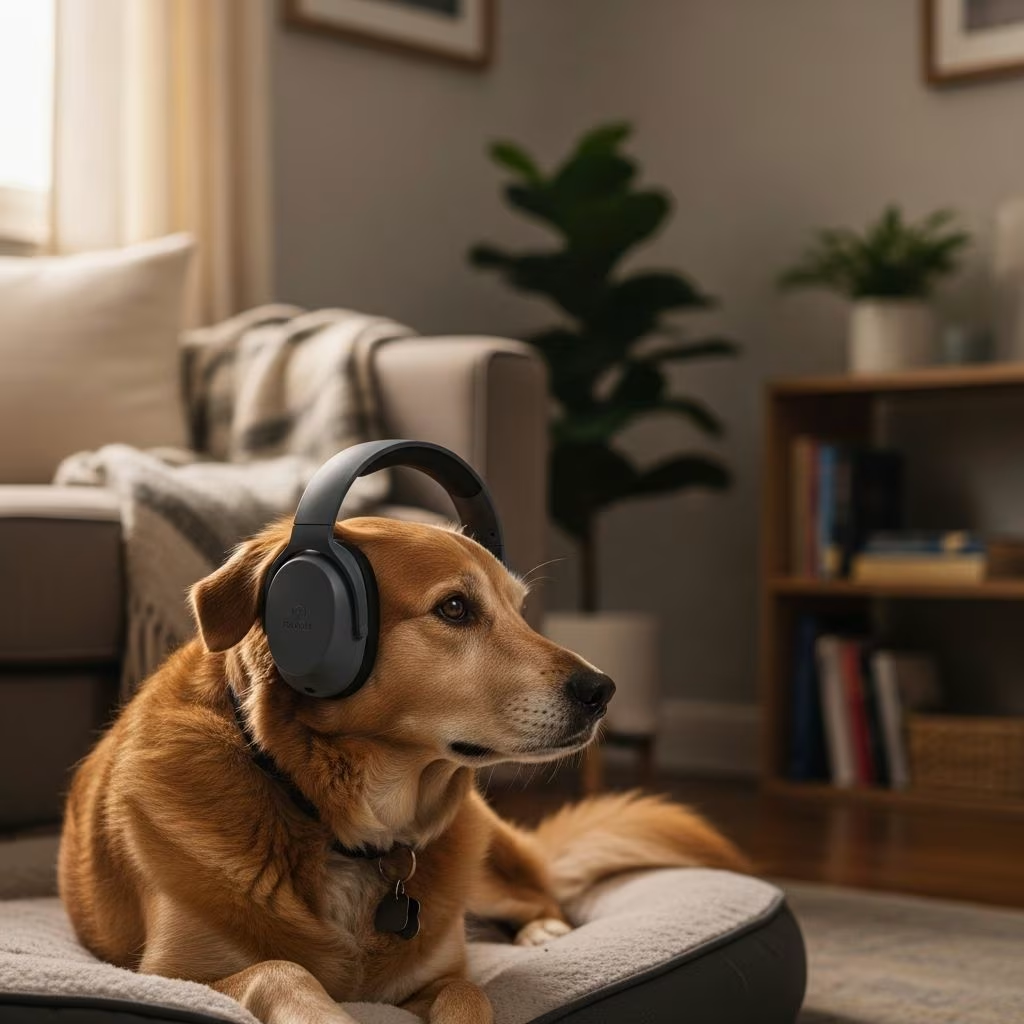
Dogs possess far superior hearing compared to humans, detecting sounds as low as -15 dB and frequencies up to 65,000 Hz, making them vulnerable to damage from noises exceeding 85 dB. This sensitivity requires pet owners to monitor environmental sounds carefully to prevent permanent hearing loss, pain, and anxiety.
The Science Behind Canine Auditory Sensitivity
Canine ears are engineered for survival, with a hearing range vastly broader than humans’ 20 Hz to 20,000 Hz limit. Dogs perceive frequencies from 40 Hz to 50 kHz, allowing them to pick up subtle prey movements or distant threats. This advantage turns problematic when exposed to intense sounds, as the delicate cilia—tiny hair cells in the cochlea—flatten or die from overstimulation above 85 dB.
Unlike humans, who experience discomfort around 120 dB, dogs show signs of distress as low as 90 dB. Repeated exposure compounds damage, halving safe listening time for every 3 dB increase over 85 dB. In kennels, bark levels hit 85-122 dB, risking chronic stress and hearing impairment for sheltered dogs.
Decibel Thresholds: What Counts as Dangerous?
Sound intensity is quantified in decibels (dB), where each 10 dB step represents a tenfold increase in pressure. For dogs, 85 dB marks the danger zone for potential permanent harm, similar to human occupational safety standards but with shorter safe exposure times due to their heightened sensitivity.
| Sound Source | Approximate dB Level | Risk for Dogs |
|---|---|---|
| Quiet Room | 30 dB | Safe |
| Normal Conversation | 60 dB | Safe |
| Alarm Clock | 70 dB | Low Risk (Short Exposure) |
| City Traffic | 85 dB | High Risk – Limit Time |
| Lawn Mower | 95 dB | Dangerous – Avoid Proximity |
| Thunder Nearby | 120 dB | Painful – Immediate Protection Needed |
| Gunshot | 140 dB | Immediate Damage Possible |
This table illustrates everyday perils; for instance, prolonged vacuuming (around 85 dB) or kennel barking (up to 100 dB) can erode hearing over time.
Everyday Hazards Threatening Dog Ears
Household appliances like vacuums and blenders often hover near or above 85 dB, startling pets and risking cumulative damage. Outdoor threats include fireworks (120-140 dB), thunderstorms, and traffic, which amplify anxiety in sound-sensitive breeds.
In multi-dog settings like shelters, noise exceeds 100 dB frequently, equating to jackhammer levels and causing sleep disruption plus elevated cortisol. Music at high volumes, especially through speakers near the dog’s head, inflicts similar harm, leading to stress behaviors like pacing or hiding. Even training collars must cap tones at safe levels, such as 65 dB, to avoid unnecessary exposure.
Recognizing Signs of Noise-Induced Distress
- Physical Indicators: Head shaking, pawing at ears, whining, or flattened posture during loud events.
- Behavioral Changes: Hiding, trembling, excessive barking, or sudden aggression toward noise sources.
- Hearing Loss Symptoms: Ignoring commands, startling easily at close sounds, or failing to respond to familiar voices.
Early detection prevents escalation; veterinary checks confirm cilia damage via tests like brainstem auditory evoked response.
Proven Strategies to Shield Your Dog’s Hearing
Mitigate risks through proactive measures tailored to your lifestyle.
Create Quiet Zones
Designate soundproofed areas with thick rugs, curtains, and white noise machines to buffer external din. During storms or fireworks, guide your dog to this haven stocked with toys.
Protect During High-Risk Activities
Keep pets indoors during lawn care or construction. For unavoidable outings, consider dog ear muffs reducing noise by 21-29 dB—ensuring some ambient sound awareness for safety.
Minimize Household Noise Exposure
Lower music volumes below 70 dB when dogs are present, opting for headphones. Schedule vacuuming when pets are crated elsewhere.
Shelter and Boarding Choices
Select facilities with acoustic panels reducing bark echoes; noise levels in optimized kennels drop significantly, improving welfare.
Advanced Tools and Technologies for Protection
Modern aids include:
- Noise-cancelling ear covers calibrated for canine anatomy.
- Pressure wraps like thunder jackets, easing anxiety without blocking hearing.
- Apps monitoring home dB levels via smartphone mics.
- GPS collars with low-dB alerts (under 65 dB) for boundary training.
Consult vets for breed-specific advice, as smaller dogs with upright ears may face amplified risks.
Long-Term Auditory Health Maintenance
Regular vet exams screen for early damage. Diets rich in antioxidants support ear cell repair, while avoiding ototoxic meds preserves sensitivity. Train desensitization gradually with low-volume recordings of triggers, pairing with treats to build tolerance.
In urban settings, quieter walking routes evade traffic peaks. Fostering calm environments enhances life quality, reducing stress-related issues like weakened immunity.
FAQs
Can dogs recover from noise-induced hearing loss?
Minor cilia damage may heal with rest, but repeated or intense exposure causes irreversible cell death.
Is 100 dB music safe for short play sessions?
No—exposure over 85 dB risks harm even briefly; keep under 70 dB.
Do all dogs suffer equally from loud noises?
Herding breeds like Collies are more sensitive due to ear shape and genetics.
How do I measure noise at home?
Use free dB meter apps or devices; aim below 85 dB near pets.
Are fireworks always dangerous for dog ears?
Yes, at 120+ dB; use muffs and interior retreats.
Key Takeaways for Pet Parents
- Monitor sounds above 85 dB rigorously.
- Prioritize prevention over cure for hearing preservation.
- Integrate quiet routines daily.
References
- How Loud Is Too Loud for a Dog? Preventing Hearing Loss in Dogs — SpotOn Fence. 2023. https://spotonfence.com/blogs/training-tips/hearing-safety-for-your-dog
- Ear Muffs for Dogs: When and Why Your Dog Might Need Them — American Kennel Club. 2024. https://www.akc.org/expert-advice/lifestyle/ear-muffs-for-dogs/
- What Noise Levels Are Healthy for Dogs? Vet Reviewed Decibel Chart — Dogster. 2024. https://www.dogster.com/dog-health-care/what-noise-levels-are-healthy-for-dogs
- Auditory Stress: Implications for Kenneled Dog Welfare — Purdue University Extension. 2004. https://extension.purdue.edu/extmedia/va/va-18-w.pdf
- Canine Behavior and Acoustics — ASPCApro. 2023. https://www.aspcapro.org/sites/default/files/aspca_webinar_slides_Acoustics.pdf



