

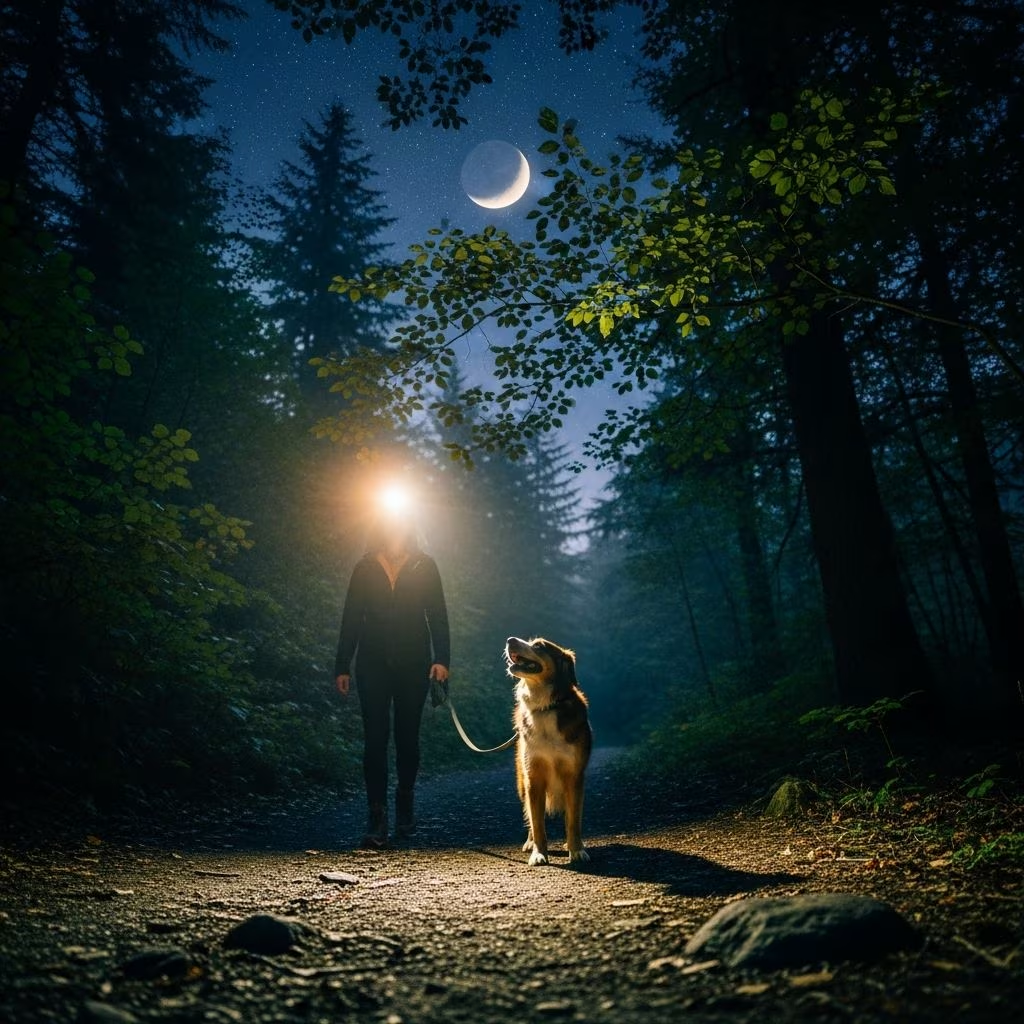
Engaging in outdoor activities with your dog after dark can offer cooler temperatures, fewer crowds, and unique excitement, but it demands heightened precautions to protect both you and your pet from visibility issues, traffic, and environmental dangers. According to the U.S. Department of Transportation, 76% of pedestrian fatalities occur at night, underscoring the need for deliberate safety measures during these ventures.
Essential Gear for Enhanced Visibility
Selecting the right equipment is the foundation of safe nighttime outings. Prioritize items that make you and your dog conspicuous to oncoming traffic, cyclists, and pedestrians.
- Reflective clothing and accessories: Opt for vests, jackets, armbands, or wristbands with reflective strips for yourself. These amplify your presence under vehicle headlights, drastically cutting accident risks.
- Dog-specific visibility tools: Equip your pet with reflective collars, harnesses, leashes, or clip-on LED lights. Collar lights that blink or glow in red—easier for the eye to detect at distance—provide optimal signaling.
- Secure leashing systems: Use a short, sturdy 4-6 foot leash or harness rather than retractable ones, which are challenging to manage in low light. This ensures control amid sudden distractions like wildlife.
In addition to passive reflectives, active lighting like flashing LED attachments on belts or headlamps frees your hands while illuminating paths ahead.
Choosing Optimal Routes and Environments
Familiarity breeds safety; navigating unknown areas at night amplifies hazards from uneven terrain or hidden obstacles.
- Stick to illuminated paths: Favor streets, sidewalks, or parks with consistent lighting from streetlamps or recreational fixtures. These spots facilitate hazard detection, such as cracks, debris, or glass shards.
- Avoid secluded spots: Bypass dark trails, wooded areas, or unlit shortcuts, especially when alone. Well-trafficked, known routes reduce encounters with stray animals or suspicious individuals.
- Traffic-aware positioning: When near roads, walk against traffic flow with your dog on the inner side, away from curbs. Dress in light colors and maintain distance from edges.
Table of Route Comparison:
| Route Type | Pros | Cons | Safety Rating |
|---|---|---|---|
| Well-lit urban streets | High visibility, familiar, quick access to help | More traffic noise | High |
| Park paths with lights | Space for play, scenic | Potential wildlife | Medium-High |
| Dark trails/woods | Quiet, adventurous | Poor sightlines, isolation | Low |
Maintaining Heightened Awareness
Distractions can turn fun into peril; staying vigilant is non-negotiable.
- Ditch audio devices: Forego headphones, podcasts, or music—even at low volume—as sounds often precede visual threats like vehicles or animals. Use one earbud maximum if essential.
- Phone management: Carry it for emergencies but keep it pocketed. Enable location sharing with a trusted contact beforehand.
- Scan surroundings: Watch for reflective eyes signaling wildlife (raccoons, deer, opossums) or uneven surfaces like ice in winter. Your calm demeanor reassures your dog.
Trust instincts: If unease arises or your dog tenses protectively, reroute immediately.
Preparation and Emergency Readiness
Proactive steps equip you for the unexpected, ensuring outings remain enjoyable.
- Illumination tools: Pack a flashlight, headlamp, or phone app light. Red-filtered beams deter wildlife effectively.
- Hydration and defense: Consider multi-use items like leashes with water squirters to hydrate your dog or repel predators non-aggressively.
- Tech aids: GPS trackers on collars provide real-time location; weather apps alert to frost or rain.
- Inform others: Share your route and ETA with family or friends for accountability.
Handling Wildlife and Other Animals
Night activates nocturnal creatures, increasing interaction risks.
Leash your dog tightly to prevent chases. Make noise with lights or voices to ward off approaches. Short leashes limit scavenging of toxic trash or feces, harder to spot in dim conditions. Urban coyotes or rural deer demand respect—avoid feeding areas and carry deterrents.
Weather and Seasonal Adjustments
Conditions vary: Summer heat favors nights but brings bugs; winter darkens earlier with ice.
- Check forecasts for slick spots; paw booties prevent injuries.
- Bug spray for both (pet-safe formulas).
- Layer clothing for temperature swings.
Fun Activities Beyond Walking
Extend play safely: Use lit fields for fetch with glowing balls, or backyard games with LED toys. Always prioritize containment and visibility.
Frequently Asked Questions
Is it safe to walk my dog off-leash at night?
No—low visibility heightens escape or accident risks. Always leash up.
What if my dog fears the dark?
Gradual exposure with treats and lights builds confidence; consult a trainer if persistent.
Best lights for dogs?
Blinking red LED collars for detection; clip-ons for leashes.
How to spot hazards?
Headlamps reveal pavement issues; slow pace prevents trips.
Reactive dog at night?
Short leashes, familiar routes, and desensitization training help manage triggers.
References
References
- 7 Practical Tips for Walking Your Dog at Night — Rover.com. Accessed 2026. https://www.rover.com/blog/how-to-safely-walk-dog-at-night/
- 5 Safety Tips For Walking Your Dog At Night — TherapyDogs.com. Accessed 2026. https://www.therapydogs.com/5-safety-tips-for-walking-your-dog-at-night/
- Dog Walking at Night: Dangers and Safety Tips — VEG ER for Pets. Accessed 2026. https://www.veg.com/post/dog-walking-at-night-dangers-and-safety-tips
- Walking Your Dog at Night: Essential Safety Tips — J-B Pet Supplies. 2020-10-07. https://www.jbpet.com/content/blog/2020107368384942048/
- Nighttime dog walking safety tips — Animal Wellness Magazine. Accessed 2026. https://animalwellnessmagazine.com/nighttime-dog-walking-safety-tips/



