

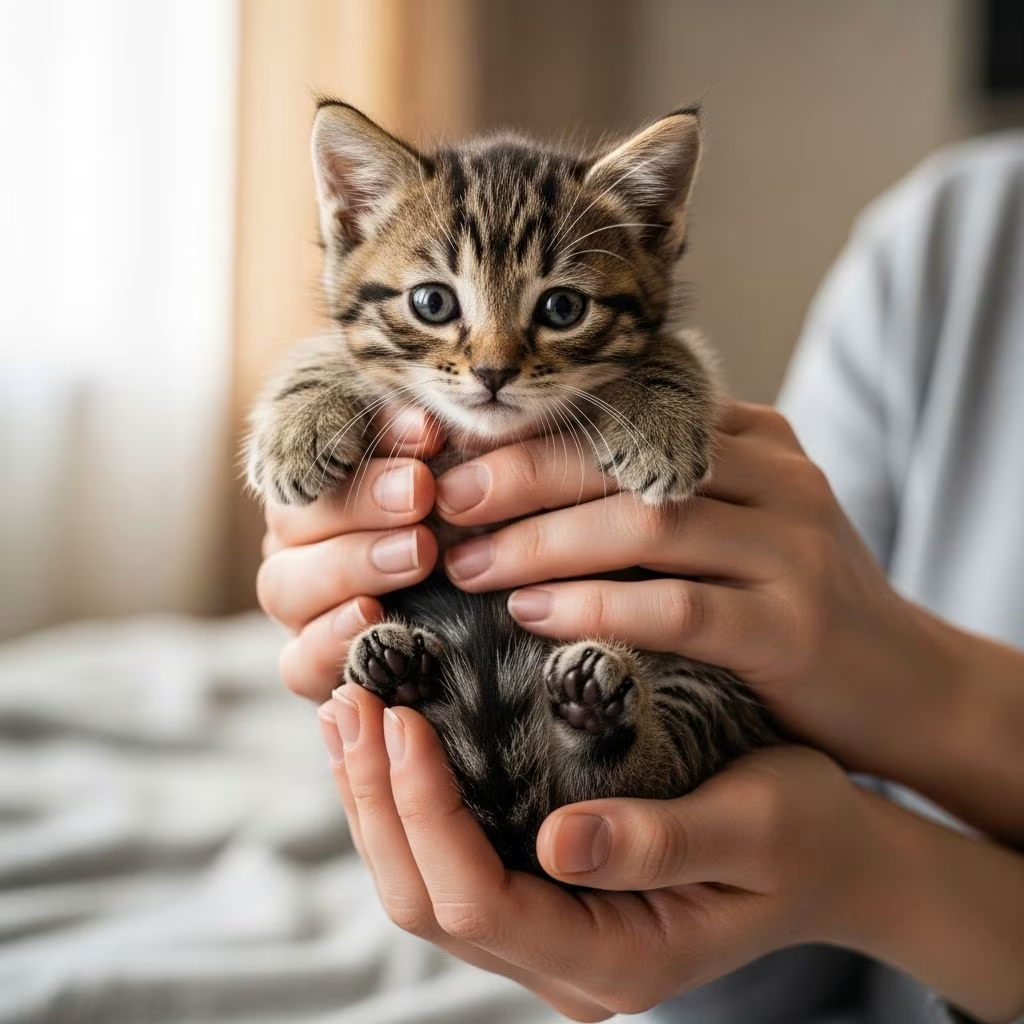
Handling kittens requires careful timing and technique to support their fragile development while building positive human interactions. Generally, limit contact with newborns under two weeks unless medically necessary, prioritizing maternal bonding and warmth regulation.
Understanding Kitten Developmental Stages
Kittens progress through distinct phases where their physical and social needs evolve rapidly. From birth to four weeks, they rely heavily on their mother for thermoregulation, nutrition, and stimulation. Interference during this period can disrupt essential bonding and expose them to stress or chilling.
- Neonatal Phase (0-2 Weeks): Eyes closed, minimal mobility; focus on warmth (80°F environment) and maternal care. Average weight: 100-250 grams.
- Early Transitional (2-4 Weeks): Eyes open around 10-14 days; begin gentle handling if orphaned. Weight: 250-450 grams; introduce deworming at two weeks.
- Socialization Window (4-12 Weeks): Prime time for human interaction; weaning starts around 4-6 weeks. Vaccinations like FVRCP begin at six weeks.
These stages dictate when and how much handling is appropriate, ensuring kittens gain weight steadily and develop motor skills without risk.
Essential Precautions Before Touching Kittens
Always prioritize hygiene and gentleness. Wash hands thoroughly and warm them to avoid shocking the kitten’s sensitive system. Newborns cannot regulate body temperature, so minimize handling to prevent hypothermia.
| Precaution | Reason | Best Practice |
|---|---|---|
| Clean, warm hands | Prevents infection and cold stress | Warm hands under water before touching |
| Gentle support | Protects soft bones and muscles | Use two hands: one under chest, one under rear |
| Low height | Avoids injury from falls | Keep close to body, never lift high |
| Short sessions | Reduces stress | 1-2 minutes initially, extend gradually |
Supervise children closely, as their grip can unintentionally harm tiny kittens.
Handling Techniques by Kitten Age
Newborns (0-2 Weeks)
For healthy litters with a present mother, observe without touching to allow natural bonding. Only intervene for health checks like weight monitoring or if orphaned. If necessary, support the entire body and limit to seconds.
Young Kittens (2-4 Weeks)
At two weeks, brief daily holds in varied positions aid socialization. Let the kitten approach first; stroke chin or ears to associate touch positively. Environment: 75-80°F with heat source.
Weaning Age (4-8 Weeks)
Increase handling duration as kittens wean to wet food. Practice picking up by squatting low, signaling intent, and supporting front and back. Avoid scruffing or leg-lifting, which risks injury.
Juvenile Kittens (8-12 Weeks+)
Expose to multiple gentle handlers. Use arm crook for support in larger kittens. Sessions can last 5-10 minutes, incorporating play to reinforce trust.
Monitor body language: purring and rubbing indicate comfort; hissing or recoiling means stop immediately.
Special Care for Orphaned or At-Risk Kittens
Orphaned kittens demand immediate veterinary involvement. Maintain 80°F initially, bottle-feed every 3-4 hours (including nights), and stimulate elimination post-feeding until 3-4 weeks.
- Check daily: weight gain, hydration (moist gums), elimination.
- Provide safe heat (e.g., rice sock or heating pad on low).
- Handle minimally but consistently for socialization if over two weeks.
Older orphans (4+ weeks) transition to litter training and solid food, allowing more interaction.
Socializing Kittens to Human Touch
The 2-7 week window is critical for socialization. Start post-feeding or during calm moments, avoiding sleep or agitation. Positive reinforcement via treats or play builds confidence.
Steps for success:
- Observe litter dynamics first.
- Approach slowly, let kitten initiate contact.
- Pet preferred areas (head, cheeks); progress to full holds.
- Introduce varied handling: brushing, nail checks.
- Daily exposure to household sounds and people.
Well-socialized kittens become affectionate adults less prone to fear-based behaviors.
Common Mistakes to Avoid
Even well-meaning owners err in ways that stress kittens:
- Forcing interaction: Wait for relaxed signals.
- High lifts: Risk drops; stay low.
- Scruffing: Mothers do it instinctively; humans risk neck strain.
- Over-handling newborns: Disrupts maternal care.
- Ignoring distress: Scratching signals stop.
Health Monitoring During Handling
Use touch time to assess: steady weight gain (daily for orphans), clean eyes/nose, firm belly (not bloated), active movement. Consult vets for vaccines at 6-8 weeks and deworming.
For adolescents (4-6 months), watch puberty-related energy spikes and litter issues.
Frequently Asked Questions
Can I hold a 1-week-old kitten?
Only if necessary (e.g., orphaned or ill); keep it brief and warm.
How often should I handle a 3-week-old?
Daily for 1-2 minutes, focusing on positive touch.
Is it okay for kids to hold kittens?
Supervise closely; teach gentle two-hand support after 4 weeks.
What if my kitten hisses when picked up?
Put down immediately; try later when calm.
When do kittens no longer need heat sources?
Around 4-5 weeks, but maintain 70-75°F.
Long-Term Benefits of Proper Handling
Early, respectful handling yields confident, loving cats. It reduces aggression, improves vet visits, and strengthens owner bonds. Consistency through kittenhood sets lifelong patterns.
References
- How To Hold a Kitten Safely—at Any Age or Stage — Rover.com. Accessed 2026. https://www.rover.com/blog/how-hold-kitten/
- How Early Can You Hold a Kitten? Early Life & Vet-Reviewed Safety — Catster. Accessed 2026. https://www.catster.com/cat-health-care/how-early-can-you-hold-a-kitten/
- Taking Care Of Newborn Kittens – What You Must Know — Carson Vet. Accessed 2026. https://www.carsonvet.com/services/cats/kitten-care
- How to Determine a Kitten’s Age — Kitten Lady. Accessed 2026. http://www.kittenlady.org/age
- Kittens and Cats: Handle with Care — National Kitten Coalition. Accessed 2026. https://kittencoalition.org/kittens-and-cats-handle-with-care/
- Caring for Kittens from Birth to Eight Weeks — Shelter Medicine. Accessed 2026. https://www.sheltermedicine.com/library/guidebooks/guide-to-raising-unweaned-underage-kittens/caring-for-kittens-from-birth-to-eight-weeks
- Kitten Socialization — Anti-Cruelty Society. Accessed 2026. https://anticruelty.org/pet-library/kitten-socialization



