

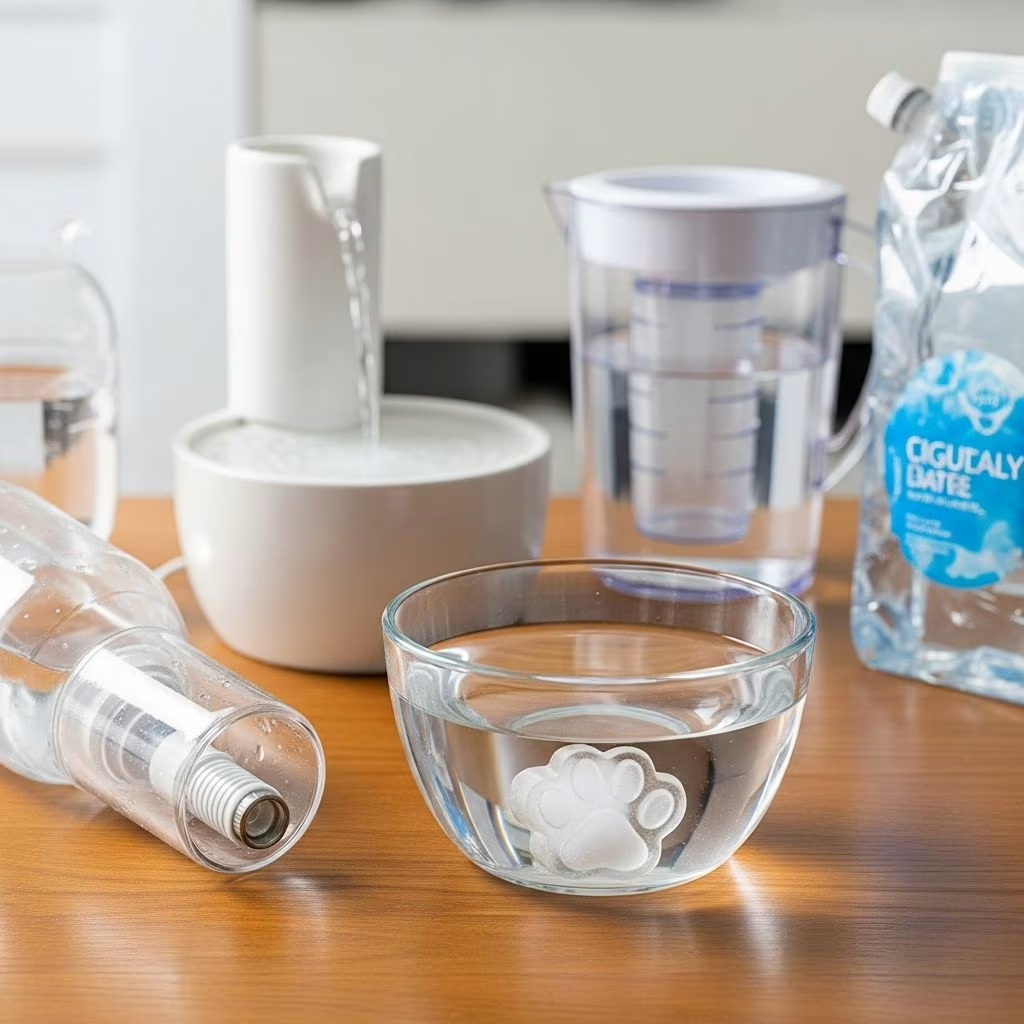
Providing clean, safe water is essential for the health of cats and dogs, as they rely on it for digestion, temperature regulation, and overall vitality. Just like humans, pets need consistent access to fresh hydration sources, but not all water is suitable for their systems. This article examines reliable options, common hazards, and practical strategies to maintain optimal hydration.
Why Water Quality Matters for Your Pet’s Health
Water makes up about 70% of a pet’s body, supporting key functions like nutrient transport and waste elimination. Poor quality water can lead to urinary issues, gastrointestinal upset, or even toxicity. Factors such as contaminants, minerals, and additives in various sources directly impact pet well-being. Veterinary guidelines emphasize choosing hydration you would consume yourself to minimize risks.
Local water variations mean what’s safe in one area might pose problems elsewhere. Regular testing reveals impurities like heavy metals or bacteria that could harm sensitive pet kidneys or digestive tracts. Prioritizing filtration addresses these concerns effectively.
Evaluating Everyday Water Sources
Pets often seek out water creatively, from bowls to outdoor puddles. Understanding each source’s pros and cons helps pet owners make informed choices.
Household Tap Water
Treated municipal tap water meets strict standards in many regions, with disinfectants like chlorine eliminating pathogens. The U.S. Environmental Protection Agency (EPA) regulates it to ensure safety for human consumption, which generally extends to pets. However, elements like chloramine or fluoride might cause taste aversions, leading to dull coats or reluctance to drink.
In areas with hard water, excess calcium and magnesium can accumulate, though pets often get these from food. Softened water, treated with salt, raises sodium levels, potentially problematic for pets with heart or kidney conditions. States like Oregon and Minnesota boast superior tap quality with low contaminants.
Bottled and Spring Water
Bottled spring water offers a portable, reliable alternative, free from local impurities. It’s ideal for travel or when tap quality is questionable. Avoid distilled varieties long-term, as some vets note potential urinary health impacts due to mineral absence. Opt for BPA-free plastic or glass to prevent chemical leaching, especially in warm conditions.
Check labels for sodium content; brands like certain mineral waters may exceed safe levels for regular pet use, as dogs need only about 0.5% sodium in their diet.
Filtered and Purified Systems
Whole-home or under-sink filters, such as reverse osmosis units, remove chlorine, fluoride, and minerals for purer hydration. These systems provide consistent quality, beneficial for pets sensitive to tap flavors. Professional water testing, often free from providers, identifies needs like hardness reduction.
| Water Type | Pros | Cons | Best For |
|---|---|---|---|
| Tap | Convenient, regulated | Possible chemicals, varies by location | Daily use in safe areas |
| Bottled Spring | Pure, portable | Costly, plastic risks | Travel, backups |
| Filtered (RO) | Removes impurities | Installation needed | Sensitive pets, hard water areas |
Hazardous Water Sources to Avoid
Outdoor adventures expose pets to risky waters loaded with pathogens or toxins. Quick intervention prevents serious health issues.
- Natural Bodies like Ponds and Streams: These harbor bacteria (e.g., Leptospirosis), algae toxins, and parasites. Even clear water can sicken pets; discourage drinking during hikes.
- Ocean and Salt Water: High salinity causes hypernatremia, leading to neurological symptoms like seizures. Provide fresh alternatives at beaches.
- Pool and Chlorinated Water: Though lower salt than oceans, chemicals irritate stomachs and increase thirst. Small amounts rarely harm, but avoid reliance.
- Aquarium or Pond Water: Chemicals for pH balance and algae control are toxic to mammals. Redirect pets immediately.
Indoor Risks: Plumbing and Common Fixtures
Home sources seem harmless but often contain surprises. Toilets accumulate bacteria post-flush, risking infections. Sink or tub water carries soap residues that upset digestion. Outdoor hoses leach lead or chemicals, especially when hot—never use for bowls.
Christmas tree stands collect fertilizers harmful to curious pets. Puddles from rain or leaks foster bacteria growth.
Optimal Hydration Strategies for Cats and Dogs
Ensure constant fresh supply in clean bowls, changed daily. Cool water encourages more intake over warm, aiding heat regulation. Dogs need 60-80 ml per kg body weight daily; monitor for changes indicating illness.[10]
- Position multiple bowls around home for accessibility.
- Clean with vinegar solutions to avoid bacteria; skip harsh soaps.
- Use pet fountains for circulation, appealing to cats’ preferences.
- Observe intake: lethargy or excess thirst signals vet visits.
Special Considerations by Pet Type
Dogs: Active and Thirsty
Outdoor dogs lap at anything convenient, heightening exposure risks. Train ‘leave it’ commands near unsafe sources. Large breeds need more volume; provide shaded stations during play.
Cats: Picky Drinkers
Cats favor running water, avoiding stagnant bowls. Filtered options reduce chlorine taste aversions. Watch for urinary issues from dehydration, common in felines.
Signs of Water-Related Problems
Vigilance spots issues early. Symptoms include vomiting, diarrhea, excessive thirst, dull coat, or seizures from salt toxicity. Algae exposure causes liver failure—seek emergency care. Test water if patterns emerge.
Frequently Asked Questions
Is tap water safe for my dog?
Generally yes in regulated areas, but filter for best quality.
Can cats drink from the bathroom sink?
Avoid; residues harm them. Use dedicated bowls.
How often should I refresh pet water?
Daily, or more in heat. Clean bowls weekly.
What’s the best water for puppies or kittens?
Filtered or spring to support development.
Does warm weather change water needs?
Yes—increase access to prevent heatstroke.
Enhancing Your Pet’s Water Routine
Invest in stainless steel or ceramic bowls for durability and cleanliness. Fountains mimic streams, boosting intake by 20-30% in some pets. For multi-pet homes, separate stations curb sharing risks from saliva-borne germs.
Travel with collapsible bowls and bottled spring water. In hot climates, add ice cubes for prolonged coolness. Educate family on hazards, ensuring everyone upholds standards.
Ultimately, proactive choices like filtration and avoidance of contaminants safeguard long-term health. Regular vet check-ups complement home efforts, confirming hydration supports vitality.
References
- Cat & Dog Drinking Water: Which Water Sources Are Safe for Pets? — Hills Pet. 2023. https://www.hillspet.com/pet-care/nutrition-feeding/pet-safe-water-sources
- The Best Drinking Water for Pets, And How to Get It — Culligan Ontario. 2023. https://culliganontario.com/blog/the-best-drinking-water-for-pets-and-how-to-get-it/
- A Dog Owner’s Guide to Water Sources for Pets — Johnson Water. 2023. https://www.johnsonwater.com/a-dog-owners-guide-to-water-sources-for-pets/
- Water: The Nutrient Playing a Key Role in Canine and Feline Health — PetSafe. 2023. https://www.petsafe.com/blog/water-the-nutrient-playing-a-key-role-in-canine-and-feline-health/
- How Safe is Tap Water For Pets? — Leaf Home. 2023. https://www.leafhome.com/blog/water-solutions/safest-tap-water-for-pets
- Is Tap Water Safe for Dogs? Risks, Benefits, and Making the Best Choice — PetMD. 2023. https://www.petmd.com/dog/general-health/is-tap-water-safe-for-dogs



