

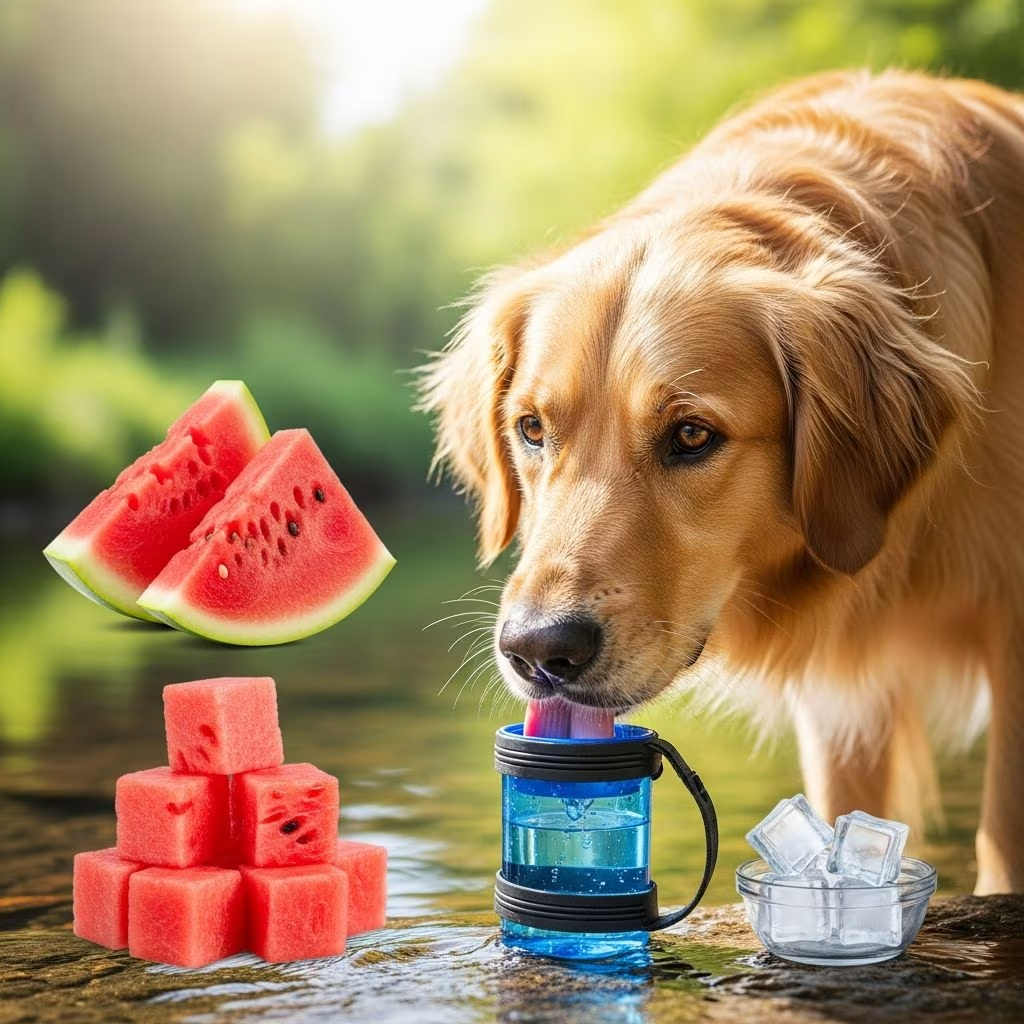
Dogs require consistent access to fresh water to maintain vital bodily functions, but occasional safe alternatives can enhance hydration and provide nutritional benefits when offered properly. This guide details approved options, daily intake guidelines, and beverages to avoid entirely for your pet’s well-being.
Understanding Your Dog’s Hydration Requirements
Hydration plays a critical role in a dog’s ability to regulate temperature through panting, support digestion, and transport nutrients throughout the body. Adult dogs generally need about one ounce of water per pound of body weight daily, though this varies based on diet—kibble-fed dogs may consume up to twice this amount due to low moisture in dry food, while those on canned diets require less supplemental water.
Factors influencing intake include activity level, weather, age, and health status. Puppies and seniors often need closer monitoring, as do dogs recovering from illness. Signs of inadequate hydration include dry gums, lethargy, and sunken eyes—prompt veterinary attention is essential if observed.
- Daily baseline: 1 oz per lb body weight.
- Kibble diet adjustment: Up to 2 oz per lb.
- Canned food adjustment: Around 0.33 oz per lb.
To encourage drinking, position multiple clean bowls around the home, use circulating fountains, or incorporate low-calorie flavor enhancers sparingly.
Top Approved Beverages for Canine Hydration
While water remains paramount, select non-toxic liquids can serve as treats or aids during recovery. Limit these to 10% of daily caloric intake and introduce gradually to monitor tolerance.
| Beverage | Safety Level | Benefits | Guidelines |
|---|---|---|---|
| Bone Broth (Low-Sodium) | Highly Safe | Nutrient-dense; supports joint health and digestion | 1 oz daily; dog-specific formulas only, no onions/garlic |
| Coconut Water (Pure, Unsweetened) | Safe in Moderation | Electrolytes like potassium; aids hot weather recovery | 1 oz max per serving; avoid additives |
| Electrolyte Solutions (e.g., Unflavored Pedialyte) | Vet-Supervised | Rehydrates after illness or heat stress | Dosage per vet; not for routine use |
| Fresh Fruit/Vegetable Juice | Occasional Treat | Vitamins from safe produce (e.g., watermelon, carrots) | Dilute; seedless; few sips, 2-3x/week |
| Unsweetened Nut Milks (Almond/Cashew) | Limited Use | Added vitamins; lactose-free alternative | Small amounts; no macadamia |
Nutritional Broths: A Standout Choice
Low-sodium bone broth stands out for its collagen, glucosamine, and minerals that promote gut health and mobility. Opt for pet-formulated versions to eliminate risks from human products containing harmful seasonings. Mixing a splash into meals entices picky eaters without excess calories.
Tropical Refreshment: Coconut Water Benefits
Pure coconut water delivers natural electrolytes, making it ideal for summer hydration or post-exercise recovery. Its mild flavor appeals to many dogs, but overconsumption may cause stomach upset due to natural sugars—stick to tiny portions.
Plant-Based and Dairy Options Explored
Homemade juices from dog-safe produce like blueberries, pumpkin, or cucumbers offer antioxidants without commercial additives. Blend with water for dilution and serve chilled as a novelty.
Regarding dairy, most adult dogs lack lactase enzyme, rendering cow’s milk problematic. Goat’s milk or fermented kefir provides probiotics with lower lactose, aiding digestion when tested in micro-doses. Puppy milk replacers suit neonates exclusively.
- Goat’s milk: Easier digestion; probiotic-rich raw versions boost immunity.
- Kefir: Fermented for gut flora support; start with drops.
- Herbal teas (chamomile, peppermint): Caffeine-free, cooled for calming effects.
Hazards: Drinks That Pose Serious Risks
Not all human beverages suit dogs—many contain toxins leading to organ damage or acute illness. Prioritize prevention through education.
| Beverage Type | Risk Level | Why Avoid |
|---|---|---|
| Alcohol | Extreme Danger | Depresses central nervous system; can be fatal |
| Caffeinated Drinks (Coffee, Tea, Soda) | Highly Toxic | Stimulates heart; causes seizures |
| Fruit Juices with Grapes/Xylitol | Toxic | Kidney failure (grapes); hypoglycemia (xylitol) |
| Cow’s Milk (Regular) | Common Upset | Lactose intolerance; diarrhea/vomiting |
| Sweetened or Flavored Drinks | Unsafe | Obesity, diabetes risk from sugars/artificial additives |
Xanthines in caffeine block adenosine receptors, accelerating heart rate dangerously. Even small amounts warrant immediate vet care.
Practical Tips for Introducing New Drinks
Transition slowly: Mix 10% new liquid with 90% water initially. Observe for 24-48 hours for reactions like loose stools.
- Clean all vessels daily to prevent bacterial growth.
- Store broths refrigerated; freeze in portions.
- Consult vets for breed-specific advice (e.g., brachycephalics dehydrate faster).
- Track intake during travel or boarding.
For dehydrated dogs, vet-prescribed oral rehydration solutions outperform home remedies.
Special Scenarios: Puppies, Seniors, and Illness
Puppies thrive on milk replacers until weaning; adults shift to water. Seniors benefit from warmed broths for palatability and arthritis support. During vomiting/diarrhea, unflavored electrolytes restore balance under guidance.
FAQs on Canine Beverages
Can dogs have Gatorade?
No—high sugar and sodium content risks electrolyte imbalance. Use vet-approved alternatives only.
Is green tea safe for dogs?
Avoid all teas with caffeine; caffeine-free herbal varieties may be offered cooled and diluted.
How much coconut water is too much?
Limit to 1 oz for small dogs, 2-4 oz for large breeds occasionally; excess causes diarrhea.
Does diet affect water needs?
Yes—wet food provides 70-80% moisture, reducing drinking needs significantly.
What if my dog refuses water?
Enhance with safe broth, add bowls/fountains, or check for underlying issues like dental pain.
Long-Term Hydration Strategies
Incorporate wet food, fresh produce, and routine check-ups for sustained health. Monitor urine output (clear/pale indicates good hydration) and adjust as seasons change—higher needs in heat.
By balancing water primacy with thoughtful alternatives, owners foster vibrant health. Always prioritize veterinary input for personalized plans.
References
- Safe Drinks for Dogs Beyond Water: 7 Healthy Options Explained — Lancaster Puppies. 2024. https://www.lancasterpuppies.com/pet-advice/safe-drinks-for-dogs-beyond-water-7-healthy-options-explained.html
- 5 healthy drinks other than water your dog can safely drink — Times of India. 2024-10-01. https://timesofindia.indiatimes.com/life-style/relationships/pets/5-healthy-drinks-other-than-water-your-dog-can-safely-drink/articleshow/123559447.cms
- What Can Dogs Drink Besides Water? — Whole Dog Journal. 2023. https://www.whole-dog-journal.com/health/what-can-dogs-drink-besides-water/
- What Can My Dog Drink? Delicious Options Other Than Water — Top Dog Pet Sitters. 2024. https://topdogpetsitters.com/what-can-my-dog-drink/



