

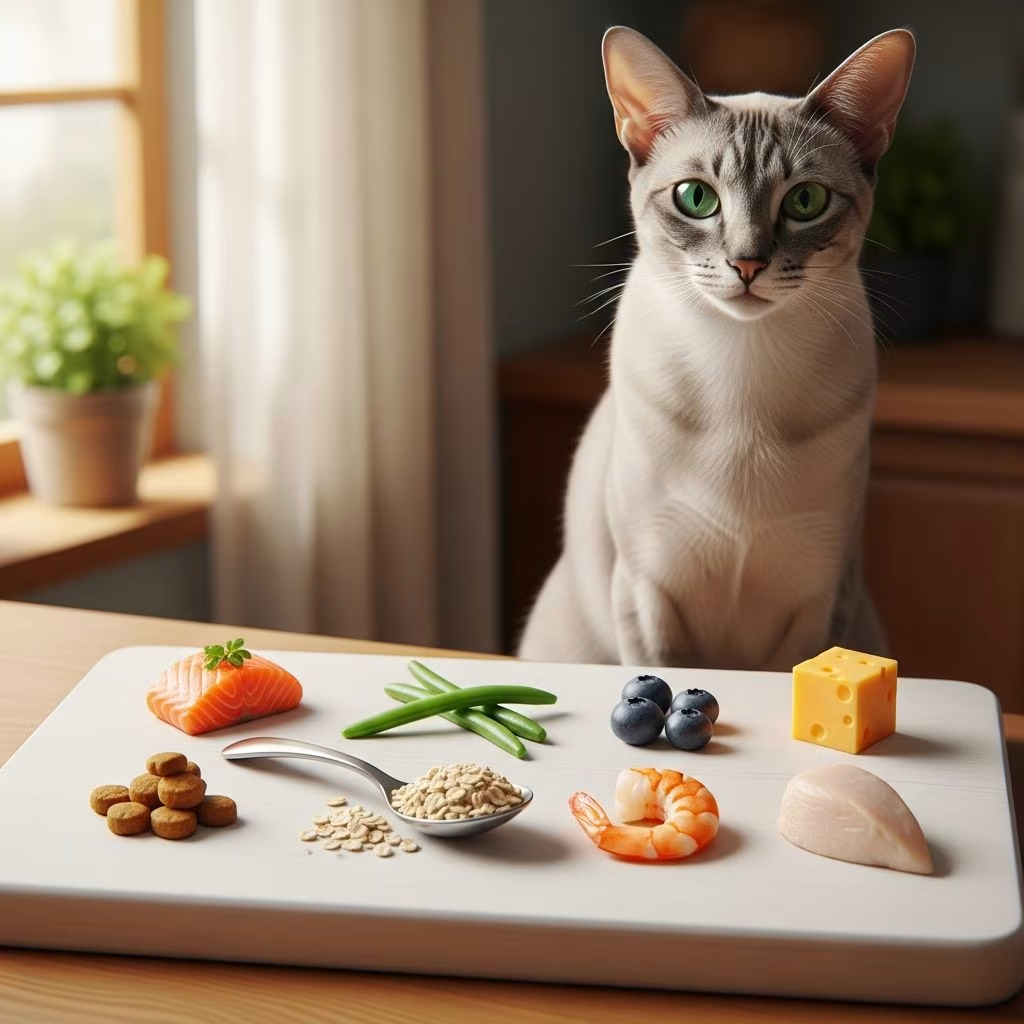
Cats are obligate carnivores, meaning their primary diet should consist of meat-based proteins, but small amounts of certain human foods can serve as healthy treats or supplements when introduced carefully. Always prioritize commercial cat food formulated to meet feline nutritional needs, using human foods sparingly to avoid digestive upset or nutritional imbalances.
Understanding Feline Dietary Needs
Cats require a diet high in animal proteins, taurine, and specific fatty acids that are not adequately provided by plant-based foods alone. While sharing table scraps might seem harmless, many human foods contain seasonings, sugars, or toxins harmful to cats. Veterinary experts recommend limiting treats to no more than 10% of daily caloric intake to prevent obesity and related health issues like diabetes.
Proteins from Human Foods: Top Choices
Lean, cooked proteins mimic a cat’s natural prey and provide essential amino acids. Avoid raw meats due to risks of salmonella and other bacteria.
- Cooked Chicken or Turkey: Plain, skinless, boneless pieces offer high-quality protein without excess fat. Shred finely to prevent choking.
- Beef: Opt for lean cuts like sirloin, fully cooked and unseasoned, supporting muscle health.
- Fish like Salmon or Tuna: Rich in omega-3s for joint and skin health, but limit to occasional treats (less than 10% of diet) to avoid mercury buildup or thiamine deficiency.
- Eggs: Scrambled or hard-boiled yolks and whites are digestible and nutrient-dense; skip raw eggs to eliminate bacterial risks.
Prepare all proteins by baking, boiling, or grilling without oils, salts, or spices.
Vegetables Safe for Feline Friends
Low-calorie veggies can aid digestion, provide fiber, and add hydration. Steam or boil them plain for easier digestion and to reduce choking hazards.
| Vegetable | Benefits | Preparation Tips | Portion Size |
|---|---|---|---|
| Broccoli | Antioxidants, fiber for bowel regularity | Steamed, chopped small | 1-2 tsp daily |
| Carrots | Beta-carotene for eyes and coat | Cooked, pureed or mashed | Small slices, 1 tbsp |
| Green Beans | Iron, protein, low-cal for weight control | Steamed or boiled, no salt | 1 tbsp |
| Pumpkin (pureed) | Fiber for diarrhea/constipation relief | Canned plain, no spices | 1 tsp to 1 tbsp |
| Peas | Fiber, vitamins; remove pods | Steamed, plain | 3-4 peas weekly |
| Sweet Potatoes | Potassium, vitamins A/C | Boiled, pureed | <1 tbsp |
Introduce one vegetable at a time, monitoring for allergies or stool changes.
Fruits as Occasional Cat Treats
Fruits offer hydration and antioxidants but are high in sugar, so reserve for rare indulgences. Remove seeds, pits, and rinds.
- Blueberries: Antioxidant-packed for immune support; mash a few for easy eating.
- Strawberries: Vitamin C and fiber; slice thinly, limit to one small piece.
- Watermelon: Hydrating (90% water) with vitamins; seedless flesh only.
- Cantaloupe or Honeydew: Similar benefits to watermelon; small cubes.
- Bananas: Potassium source; tiny mashed amounts due to sugar content.
Avoid grapes, raisins, and citrus, which can cause kidney failure.
Grains and Dairy: Proceed with Caution
Many cats are lactose intolerant, so dairy is hit-or-miss.
- Oatmeal: Cooked plain with water; provides sustained energy from B vitamins and fiber.
- Plain Yogurt: Unsweetened, low-lactose varieties for probiotic benefits; start with a teaspoon.
Skip milk, cheese, and grains like bread, which offer little nutritional value.
Dangerous Human Foods to Strictly Avoid
Some common foods are outright toxic, causing vomiting, organ damage, or death.
- Onions, Garlic, Chives: Damage red blood cells, leading to anemia.
- Grapes/Raisins: Kidney failure risk, even in small amounts.
- Chocolate, Caffeine: Theobromine toxicity affects heart and nervous system.
- Xylitol (in gum/candy): Causes hypoglycemia and liver failure.
- Raw Fish/Meat: Parasites, bacteria, thiamine deficiency.
- Alcohol, Yeast Dough: Intoxication, bloat, or rupture.
When in doubt, consult a vet before offering new foods.
Best Practices for Sharing Food Safely
- Portion control: Max 10-20 extra calories daily from treats.
- Freshness: Use unseasoned, plain preparations.
- Monitor reactions: Watch for vomiting, diarrhea, lethargy.
- Balance diet: Treats supplement, not replace, balanced cat food.
- Vet approval: Especially for cats with health conditions like diabetes or kidney issues.
Incorporate treats into training or bonding for mental stimulation.
Health Benefits of Safe Treats
Appropriate human foods can address specific needs: pumpkin for GI issues, fish oils for joints, veggies for weight management. They add variety, preventing boredom with kibble-only diets.
Common Myths Debunked
- Myth: Cats need milk. Most are lactose intolerant; opt for cat milk alternatives.
- Myth: All fish is great daily. Overfeeding leads to nutritional deficiencies.
- Myth: Vegan diets work for cats. Obligate carnivores can’t thrive without meat.
FAQs
Can cats eat cooked eggs?
Yes, scrambled or hard-boiled eggs are safe and nutritious in small amounts.
Is pumpkin good for constipated cats?
Pureed plain pumpkin helps regulate bowels due to high fiber.
How much human food is too much?
Limit to 10% of calories; excess risks obesity.
Are blueberries toxic?
No, they’re safe and antioxidant-rich in moderation.
What if my cat eats something bad?
Contact a vet or pet poison hotline immediately.
References
- What Human Foods Can Cats Eat? — Taste of the Wild Pet Food. 2023. https://www.tasteofthewildpetfood.com/articles/nutrition/what-human-foods-can-cats-eat/
- Can Cats Eat Human Food? The Ultimate Pet Owner’s Guide — Riverbend Pet. 2024. https://www.riverbendpet.com/can-cats-eat-human-food-guide/
- What Human Foods Can Cats Eat? — The Honest Kitchen. 2023. https://www.thehonestkitchen.com/blogs/pet-wellness/human-foods-cats-can-eat
- List of Human Foods Cats Can And Can’t Eat — Pawlicy Advisor. 2024. https://www.pawlicy.com/blog/food-cats-can-and-cant-eat/
- Human Foods for Cats to Enjoy, and What to Avoid — Pet Supplies Plus. 2023. https://www.petsuppliesplus.com/resources/learning-center/articles/cat-got-your-snack
- What Human Food Can Cats Eat? — PetMD. 2025-01-15. https://www.petmd.com/cat/nutrition/what-human-foods-can-cats-eat
- What Human Food Can Cats Eat? — Whisker. 2024. https://www.whisker.com/blog/human-food-for-cats



