

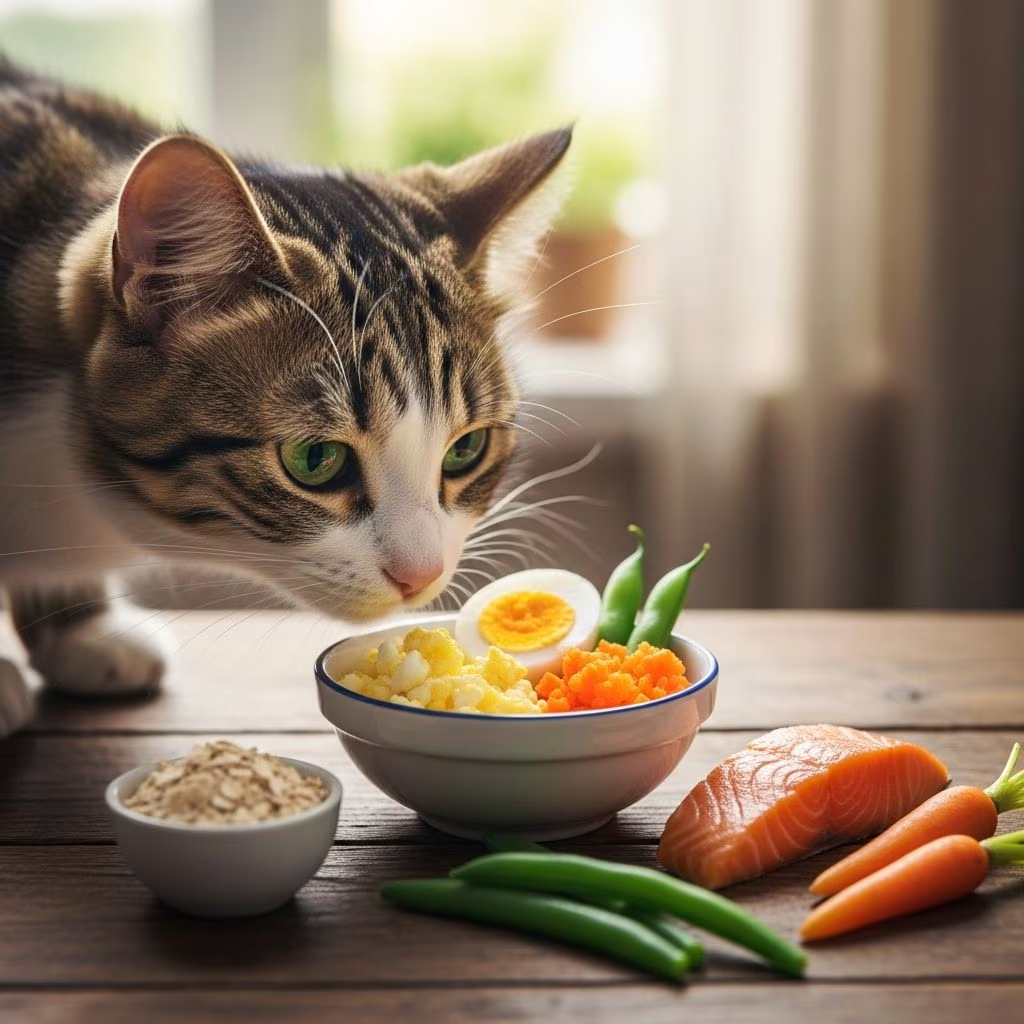
Cats are obligate carnivores, meaning their primary diet should consist of meat-based proteins, but certain human foods can serve as healthy, occasional treats when prepared properly. Offering small amounts of safe options like plain cooked meats, select fruits, and vegetables can provide nutritional variety while supporting overall health. This guide details beneficial choices, their perks, safe preparation methods, and critical warnings about toxic items, drawing from veterinary insights to help cat owners make informed decisions.
Understanding Feline Dietary Needs
Before introducing any human food, recognize that cats require a diet high in animal proteins, taurine, and specific fatty acids not found in plant-based foods. Treats should never exceed 10% of daily caloric intake to avoid nutritional imbalances or obesity. Always consult a veterinarian, especially for cats with health conditions like diabetes or urinary issues. Plain, unseasoned preparations without added salts, sugars, oils, or spices are essential to prevent digestive upset or toxicity.
Protein-Rich Options from Your Kitchen
Lean meats form the cornerstone of safe human foods for cats, mimicking their natural prey diet. These provide high-quality protein essential for muscle maintenance, skin health, and energy.
- Cooked Chicken: Boneless, skinless, boiled or baked chicken breast offers lean protein, vitamin B6, selenium, phosphorus, and omega-6 fatty acids. It’s low-calorie, making it ideal for weight management. Shred small pieces to reduce choking risk.
- Turkey: Similar to chicken, plain cooked turkey breast delivers comparable nutrients with slightly less protein per ounce but excellent digestibility. Deli slices work if free of additives.
- Beef: Unseasoned, cooked lean beef provides iron and zinc, supporting immune function. Trim fat to avoid pancreatitis.
- Eggs: Fully cooked eggs (scrambled or boiled without butter) supply protein and B vitamins. Avoid raw eggs due to salmonella risk.
Portion these as tiny bites—no more than a teaspoon daily for an average adult cat—to complement commercial kibble or wet food.
Fruits That Delight and Nourish
While not a dietary staple, certain fruits offer antioxidants, vitamins, and hydration in moderation. Remove seeds, pits, skins, and cores to eliminate choking hazards or toxins like cyanide.
| Fruit | Key Nutrients | Preparation Tips | Benefits |
|---|---|---|---|
| Apples | Fiber, vitamin C | Peeled, cored, diced small | Digestion aid, immune support |
| Bananas | Potassium, soluble fiber | Mashed, tiny portions | Heart health, gut regularity |
| Blueberries | Vitamins A & C, antioxidants | Fresh or frozen, whole/small | Eye health, anti-inflammatory |
| Strawberries | Fiber, vitamin C, antioxidants | Washed, chopped, no leaves | Immune boost, dental health |
| Watermelon | Vitamins A, B, C; hydration | Seedless rind removed, cubed | Hydration for hot days |
Other safe picks include cantaloupe (beta-carotene for skin/eyes), cranberries (urinary tract support), mangoes (vitamins A, B6, C), pineapples (folate, minerals), raspberries (vitamin K, fiber), and blackberries (flavonoids). Limit to occasional treats due to natural sugars.
Vegetables for Added Fiber and Vitamins
Cooked or pureed vegetables introduce fiber for digestion and vitamins without excess calories. Cats may need encouragement, as they prefer meaty flavors.
- Broccoli: Steamed or pureed for vitamins C/K and antioxidants; supports immunity but avoid overfeeding due to isothiocyanates.
- Pumpkin: Plain canned puree (not pie filling) is low-calorie, fiber-rich for hairballs and constipation relief.
- Carrots: Cooked and mashed for beta-carotene; promotes eye health and clean teeth when crunched.
- Green Beans: Pureed for fiber, calcium, iron; low-cal ideal for overweight cats.
- Peas: Cooked or frozen for vitamins A/C and potassium; common in cat foods.
Additional options: spinach (vitamins/minerals, but limit for oxalate stone-prone cats), sweet potatoes (fiber, vitamins A/C), zucchini (hydration, antioxidants), butternut squash (anti-inflammatory), and cucumbers (high water content). Always cook firm veggies to enhance digestibility and safety.
Grains and Dairy in Moderation
Not all cats tolerate these well due to lactose intolerance, but small amounts can work for some.
- Oatmeal: Cooked plain for B vitamins and energy; found in some cat foods.
- Bread: Plain, small crust pieces; not nutritionally vital.
- Cheese: Hard varieties like cheddar in tiny shreds for calcium/protein; avoid soft, high-lactose types.
Monitor for diarrhea; discontinue if issues arise.
Dangerous Human Foods to Avoid
Many kitchen staples pose serious risks, from mild upset to organ failure. Never offer:
- Toxic Fruits/Veggies: Grapes/raisins (kidney failure), onions/garlic/chives (anemia), raw potatoes (solanine).
- Fatty/Seasoned Items: Fried foods, butter, salt, spices (pancreatitis, hypertension).
- Dairy: Milk (lactose intolerance).
- Xylitol: In gum/candy (hypoglycemia).
- Bones/Chocolate/Caffeine/Alcohol: Choking, toxicity, poisoning.
When in doubt, err on the side of caution and stick to vet-approved cat food.
Preparation and Portion Guidelines
To maximize safety:
- Cook meats/veggies thoroughly without seasonings.
- Chop into pea-sized pieces.
- Introduce one new food slowly, watching for allergies (itching, vomiting).
- Store leftovers properly to prevent bacterial growth.
A 5-10 lb cat needs only 1-2 teaspoons of treats daily. Overfeeding disrupts nutrient balance.
Frequently Asked Questions (FAQs)
Can cats eat raw human foods?
Generally no—raw meats/eggs risk bacteria/parasites; cook thoroughly.
Are canned fruits/veggies safe?
Avoid due to syrups/additives; opt for fresh or plain canned pumpkin.
What if my cat begs for table scraps?
Train with designated treats; sharing habits lead to begging and health issues.
Do fruits help with cat hairballs?
Fiber-rich ones like pumpkin aid passage, but consult vet for chronic cases.
Is fish safe daily?
Occasional cooked fish ok for omega-3s, but excess causes thiamine deficiency.
Enhancing Your Cat’s Diet Holistically
Combine safe human foods with balanced commercial diets, puzzle feeders for mental stimulation, and regular vet checkups. Hydration via wet food or fountains complements hydrating treats like watermelon. Tailor based on age/activity—kittens need more protein, seniors benefit from anti-inflammatory options. Track weight and stool quality to gauge treat impacts.
By thoughtfully selecting from this list, you enrich mealtime without compromising health. Prioritize quality over quantity for a thriving feline companion.
References
- What Human Foods Can Cats Eat? — Chewy. 2023. https://www.chewy.com/education/cat/food-and-nutrition/what-human-foods-can-cats-eat
- Top 11 Healthiest Human Foods That Cats Can Eat [Vet-Approved] — Sploot Vets. 2023. https://www.splootvets.com/post/top-10-healthiest-human-food-that-cats-can-eat
- List of Human Foods Cats Can And Can’t Eat — Pawlicy Advisor. 2024. https://www.pawlicy.com/blog/food-cats-can-and-cant-eat/
- Human Foods Cats and Dogs Can Eat and Foods to Avoid — MedVet. 2023. https://www.medvet.com/human-foods-cats-dogs-to-eat-and-avoid/
- Human foods cats can eat — Royal Canin US. 2024. https://www.royalcanin.com/us/cats/health-and-wellbeing/human-foods-cats-can-eat



