

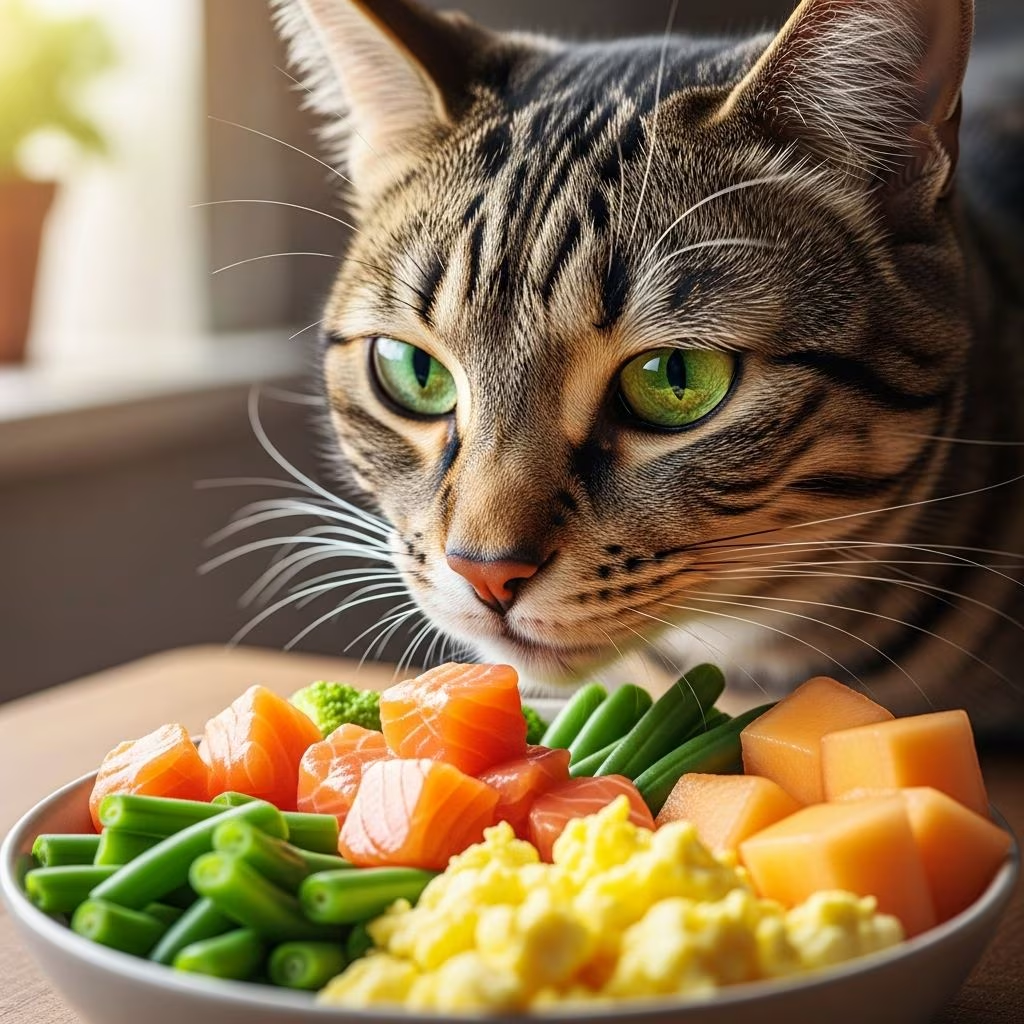
Cats are obligate carnivores, requiring a diet rich in animal proteins for essential nutrients like taurine. While commercial cat foods provide balanced nutrition, many owners wonder if sharing kitchen scraps is okay. Some human foods can serve as occasional treats, but others pose serious risks. This guide outlines safe options, dangers, and best practices, emphasizing moderation to avoid obesity and nutritional imbalances.
Understanding Feline Nutritional Needs
Cats derive key amino acids from meat, making plant-based foods secondary at best. Ideal dry cat food contains about 30% protein and 12% fat, while wet food offers 8% protein and 4% fat. Treats, including human foods, should not exceed 10% of daily calories—roughly 20 calories for most cats—to prevent weight gain.
Feeding frequency varies; adults often thrive on two meals daily or free-fed dry kibble if they self-regulate. Always prioritize vet-approved diets over table scraps to ensure complete nutrition.
Protein-Rich Safe Foods from Your Kitchen
Lean proteins mimic cats’ natural prey diet and provide high-quality energy. Offer these plain, cooked without seasonings, bones, or skin to minimize risks.
- Cooked Chicken or Turkey: Excellent lean protein sources that support muscle health. Boil or bake plainly.
- Plain Cooked Salmon: Omega-3 fatty acids benefit skin, coat, joints, and heart function. Remove all bones to prevent splintering.
- Beef or Deli Meats (Lean, Unseasoned): Small slices satisfy cravings but watch sodium levels.
- Cooked Eggs: Scrambled or boiled eggs deliver digestible protein and vitamins. Avoid raw due to salmonella.
These options align with cats’ carnivorous biology but must be occasional—raw meats risk bacterial contamination like E. coli or parasites.
Vegetables That Cats Can Safely Nibble
Though not essential, certain veggies add fiber and low-calorie variety. Cook or steam for easier digestion and to reduce choking hazards.
| Vegetable | Benefits | Preparation Tips |
|---|---|---|
| Pumpkin (Plain, Canned) | Fiber for digestion, low calorie | No spices or seeds; 1 tsp max |
| Carrots | Beta-carotene for eyes, fiber | Cooked and mashed |
| Green Beans or Peas | Low-cal filler, vitamins | Steamed, small amounts |
| Zucchini or Broccoli | Hydration, antioxidants | Steamed florets or slices |
| Sweet Potatoes | Fiber, vitamins for sensitive stomachs | Plain cooked, mashed |
Vegetables should complement, not replace, meat-based meals. Cats rarely seek them out naturally.
Fruits as Occasional Feline Delights
Berries and select fruits offer antioxidants in tiny portions. Remove seeds, pits, and peels; limit to avoid excess sugar.
- Blueberries or Blackberries: Antioxidant boost, fun texture.
- Apples (Peeled): Fiber and vitamin C; core and seeds contain cyanide.
- Bananas (Mashed): Potassium-rich, small smears only.
- Watermelon or Strawberries (Seedless): Hydrating treats.
Avoid grapes, raisins, and citrus, which can cause kidney issues or digestive upset.
Grains and Other Surprises
Whole grains provide minor carbs but aren’t feline staples.
- Oatmeal (Plain, Cooked): Soothing for digestion.
- Brown Rice (Mashed): Better than white for fiber.
These suit cats tolerating grains; test for allergies like itching or GI issues.
Dangerous Human Foods to Never Offer
Many household favorites are toxic, causing anemia, organ failure, or death. Awareness prevents emergencies.
- Onions, Garlic, Chives: Damage red blood cells.
- Chocolate, Caffeine: Stimulants affect heart and nervous system.
- Milk/Dairy: Lactose intolerance leads to diarrhea.
- Grapes/Raisins: Kidney failure risk.
- Xylitol (Gum, Candy): Hypoglycemia and liver damage.
- Raw Fish/Meat: Parasites, thiaminase deficiency.
- Fatty Foods, Bones: Pancreatitis, choking.
The ASPCA lists these as top poisons; symptoms include vomiting, lethargy, seizures—contact a vet immediately if suspected.
How to Introduce Human Foods Safely
Start small to monitor reactions. Watch for allergies (scratching, bald spots) or upset stomach. Consult vets before supplements like fish oil. Portion control is vital: a 10-lb cat needs ~200 calories daily; cheese alone can exceed half.
Balance with exercise; indoor cats risk obesity from treats.
FAQs: Common Questions on Cats and Human Food
Can cats eat mayo?
No—high fat, no nutrition.
Is white rice safe?
Yes in small amounts, but brown is healthier.
What about raw eggs?
Avoid; bacteria and biotin interference.
Can cats have cheese?
Sparingly if tolerated, but many are lactose-intolerant.
How much human food daily?
Max 10-20 calories; prioritize cat food.
Building a Healthier Routine
Stick to complete cat foods for 90% of intake. Use human foods for training or bonding sparingly. Regular vet check-ups catch diet-related issues early. Hydration matters—wet food or fountains aid kidney health.
By choosing wisely, you enhance your cat’s life without compromising nutrition. Focus on quality over quantity for a vibrant, long-lived companion.
References
- What Human Food Can Cats Eat? — Whisker. 2023. https://www.whisker.com/blog/human-food-for-cats
- What Can I Feed My Cat? — PetSmart. 2024. https://www.petsmart.com/learning-center/cat-care/what-can-i-feed-my-cat/A0054.html
- What Human Foods Can Cats Eat? — Taste of the Wild. 2023. https://www.tasteofthewildpetfood.com/articles/nutrition/what-human-foods-can-cats-eat/
- What Human Food Can Cats Eat? — Now Fresh. 2024. https://nowfresh.com/en-us/blog/what-human-food-can-cats-eat
- Human Foods Cats and Dogs Can Eat and Avoid — MedVet. 2023. https://www.medvet.com/human-foods-cats-dogs-to-eat-and-avoid/
- Human Foods Cats Can Eat & Common Myths — Purina UK. 2024. https://www.purina.co.uk/articles/cats/feeding/what-cats-eat/human-foods-for-cats
- People Foods to Avoid Feeding Your Pets — ASPCA. 2025. https://www.aspca.org/pet-care/aspca-poison-control/people-foods-avoid-feeding-your-pets



