

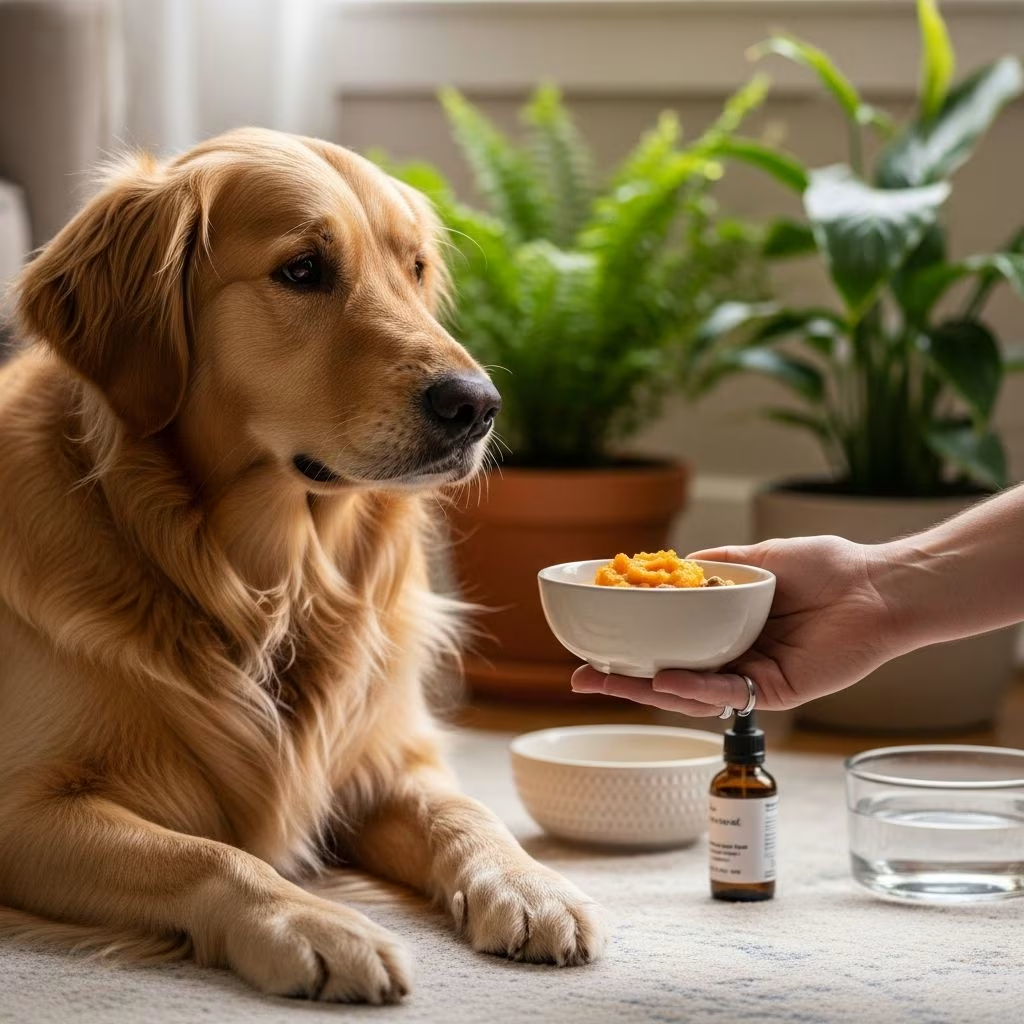
Understanding Canine Digestive Discomfort
Just like their human companions, dogs experience digestive challenges that can cause significant discomfort. When your dog hasn’t had a bowel movement in more than 48 hours, displays signs of abdominal bloating, or strains repeatedly without results, these are clear indicators that digestive intervention may be necessary. The distress your pet experiences during these episodes can be concerning for any caring owner, and understanding your options for relief is an important part of responsible pet stewardship.
Constipation in dogs can stem from various underlying causes, including dehydration, dietary changes, intestinal blockages, medication side effects, or even neurological issues. Before pursuing any form of intervention—whether at home or at a veterinary clinic—it’s essential to understand that not all cases of constipation are created equal. Some situations require immediate professional evaluation to rule out serious complications.
When Professional Evaluation Is Non-Negotiable
While the idea of managing your dog’s constipation at home might seem practical and cost-effective, veterinary professionals universally emphasize that self-treatment without expert guidance carries significant risks. Administering enemas without proper veterinary oversight can be dangerous, particularly when underlying conditions require diagnosis before treatment.
Several situations absolutely require veterinary intervention rather than home management:
- Suspected intestinal blockages or foreign body ingestion
- Signs of severe abdominal pain or distension
- Vomiting or continued loss of appetite
- Lethargy that suggests systemic illness
- Use of over-the-counter human enema products, which may contain toxic ingredients for animals
- History of chronic constipation suggesting megacolon or other structural issues
Your veterinarian possesses diagnostic tools—including radiographs and physical examination—that help identify whether your dog’s constipation is a simple, temporary issue or a symptom of something more serious. Making this distinction before treatment is crucial for your pet’s safety.
Recognizing the Warning Signs
Before considering any at-home interventions, learn to identify the constellation of symptoms that indicate your dog needs professional evaluation. These warning signs extend beyond simple constipation and suggest more complex digestive or systemic problems.
| Symptom | Potential Significance |
|---|---|
| Straining with minimal output | Constipation or possible obstruction |
| Vocalizing or crying during attempts | Significant pain; needs evaluation |
| Lethargy and decreased appetite | Possible systemic illness |
| Abdominal vomiting | May indicate blockage or obstruction |
| No bowel movements for 48+ hours | Warrants veterinary assessment |
Available Enema Solutions and Their Properties
Should your veterinarian determine that an enema is appropriate for your dog’s situation, understanding the different solution options helps you prepare for the procedure. Each solution type has distinct properties, effectiveness profiles, and safety considerations.
Tap Water Enemas
Tap water represents the most economical option for enema administration. It’s readily available, non-toxic, and effective for many constipation scenarios. When using tap water, careful temperature regulation is essential—solutions must be warmed to room temperature to prevent shock to your dog’s system. The typical dosage ranges from 5-10 milliliters per kilogram of body weight, though this can be increased up to 20 milliliters per kilogram in some cases. Tap water enemas can be repeated every 30 minutes if necessary, making them flexible for situations requiring multiple applications.
Mineral Oil or Liquid Paraffin Solutions
Mineral oil provides enhanced stool softening and lubrication properties that tap water cannot match. These solutions work particularly well for impacted feces that have become hardened. However, mineral oil presents practical challenges—it’s difficult to clean from your dog’s fur after administration, and it’s not generally recommended for repeated use. The typical dosage for mineral oil is 2-3 milliliters per kilogram of body weight. These solutions can be repeated every 1-2 hours if necessary, but frequency should be minimized to avoid complications.
Specialty Pet Enema Products
Commercial enema solutions formulated specifically for veterinary use offer balanced approaches combining effectiveness with safety. These products typically contain saline bases with added phosphate compounds designed to facilitate bowel evacuation. Specialty formulations like Pet-Ema contain dioctyl sodium sulfosuccinate and glycerin, which work synergistically to soften stool while lubricating rectal tissues. These veterinary-formulated products should not be repeated more than twice within a 24-hour period.
An important caveat applies when using commercial phosphate-containing enemas in cats or small dogs: mineral absorption through the colon can cause dangerous metabolic abnormalities. This makes professional guidance particularly important for smaller animals or young patients.
The Procedure: Equipment and Preparation
If your veterinarian has cleared you to administer an enema at home, proper preparation significantly impacts both effectiveness and your dog’s comfort level. Gathering appropriate supplies and creating a calm environment reduces anxiety for both you and your pet.
Essential Supplies
- Pet-specific syringe or enema kit (12mL for dogs; smaller syringes for smaller breeds)
- Prepared enema solution at room temperature
- Water-based lubricant (petroleum jelly or veterinary-approved lubricant)
- Clean towels for absorption and cleanup
- Additional paper towels or cleaning supplies
- Waterless shampoo or pet-safe cleaning product for post-procedure cleanup
Environmental Preparation
Select a quiet, comfortable location where both you and your dog can remain relaxed. Anxiety escalates resistance and makes the procedure more stressful for everyone involved. If possible, have a second person assist by gently holding or providing reassurance to your dog while maintaining their security and preventing excessive movement. Some dogs respond better to procedures in bathrooms or areas with easy-to-clean flooring, acknowledging that some spillage is nearly inevitable regardless of technique.
Step-by-Step Administration
Proper technique during administration determines both effectiveness and safety. Each step requires attention to detail and sensitivity to your dog’s comfort.
Preparing the Solution
Draw your chosen enema solution into the syringe according to your veterinarian’s specific recommendations for your dog’s weight and condition. Temperature verification is critical—solutions that are too warm can damage rectal tissues, while those that are too cool may trigger uncomfortable spasms. Room temperature represents the safe standard.
Lubricating the Applicator
Generously apply lubricant to the syringe tip or nozzle before insertion. This step reduces friction and discomfort, making the procedure tolerable for your dog. Adequate lubrication cannot be overstated—insufficient lubrication can cause resistance and increase your dog’s anxiety about the process.
Insertion and Administration
Gently lift your dog’s tail and insert the syringe tip into the rectum with minimal resistance—typically 2-3 inches of insertion depth is appropriate. Never force insertion if you encounter resistance, as this indicates improper positioning or potential obstruction. Squeeze the plunger slowly, allowing the solution to flow gradually into the colon rather than being forcefully injected. This measured approach reduces cramping and discomfort.
Post-Insertion Care
After administering the solution, carefully withdraw the syringe while maintaining gentle control. Allow 10-15 minutes for the enema to take effect, though individual dogs respond on varying timelines. During this waiting period, keep your dog in a comfortable area where bowel movements won’t damage your home. Most dogs will seek appropriate elimination spaces once the urge develops.
After-Care and Monitoring
The procedure doesn’t end once you’ve administered the enema. Post-treatment monitoring protects your dog’s health and helps identify any complications requiring veterinary attention.
Immediate Cleanup
Thoroughly clean any areas affected by elimination, using pet-safe cleaning products to maintain hygiene and prevent odor accumulation. Cleanse your dog’s rear area gently with waterless shampoo or pet-safe wipes, ensuring complete removal of any fecal matter that could cause irritation.
Extended Observation
Monitor your dog’s behavior over the following days for any complications suggesting adverse reactions or underlying issues. Diarrhea following enema administration can indicate disrupted intestinal balance or an underlying condition that requires veterinary evaluation. Similarly, if your dog shows signs of continued straining, lethargy, or loss of appetite despite the enema, contact your veterinarian promptly.
Critical Limitations and Safety Considerations
Home enema administration carries inherent limitations that responsible pet owners must acknowledge. Understanding these constraints helps you recognize when professional intervention becomes necessary.
Dependency and Disrupted Natural Function
Frequent enema use can disrupt your dog’s natural intestinal function and create dependency on external intervention for bowel movements. This makes repeated self-treatment problematic, as each application potentially worsens the underlying problem. Veterinarians recommend enemas as occasional interventions, not routine management strategies.
Risk of Complications with Undiagnosed Conditions
Administering an enema to a dog with an intestinal obstruction, perforation, or inflammatory condition can cause severe complications ranging from internal bleeding to life-threatening peritonitis. Without diagnostic imaging and professional assessment, you cannot safely rule out these dangerous scenarios.
Toxicity from Inappropriate Products
Over-the-counter human enema products frequently contain ingredients toxic to dogs, including sodium phosphate and other compounds that cause severe electrolyte imbalances. Never use human enema products intended for human constipation relief on your dog—the physiological differences make these products inappropriate and dangerous.
Professional Alternatives to Home Management
Veterinary clinics offer advantages that home care cannot provide. Professional enema administration includes diagnostic evaluation, proper sedation when appropriate, and monitoring throughout the procedure. Veterinarians can assess whether constipation represents a simple, temporary condition or a symptom of chronic megacolon, dietary issues, or other serious problems requiring ongoing management strategies.
Many urgent care and emergency facilities provide extended-hour or 24/7 availability, ensuring that your dog receives timely care even outside traditional business hours. This accessibility prevents situations where you must choose between managing constipation at home with inadequate knowledge or delaying care until routine appointments become available.
Preventive Strategies for Long-Term Digestive Health
Rather than focusing exclusively on emergency interventions, proactive management prevents many constipation episodes. Adequate hydration, appropriate dietary fiber, regular exercise, and prompt attention to changes in bowel patterns all contribute to sustained digestive health. These preventive approaches, combined with regular veterinary check-ups, reduce your dog’s likelihood of experiencing significant constipation requiring intervention.
Key Takeaways
- Constipation lasting more than 48 hours or accompanied by pain warrants veterinary evaluation
- Never attempt enema administration without explicit veterinary guidance and approval
- Professional assessment helps identify serious underlying conditions before treatment
- If your veterinarian recommends at-home enema care, follow their specific instructions precisely
- Repeated enema use can disrupt natural bowel function and should be avoided
- Monitor your dog carefully after any intervention for signs of complications
- Preventive care through proper hydration and diet reduces constipation incidents
Frequently Asked Questions
Can I use a human enema product on my dog?
No. Human enema products contain ingredients that are toxic or dangerous for dogs, including sodium phosphate compounds that cause severe electrolyte imbalances. Always use solutions approved by your veterinarian specifically for canine use.
How often is it safe to give my dog an enema?
Enemas should be occasional interventions, not regular treatments. Frequent use disrupts natural intestinal function and can create dependency. Consult your veterinarian about appropriate frequency for your specific dog’s situation.
What should I do if my dog doesn’t respond to an enema?
Lack of response to enema treatment warrants immediate veterinary evaluation. This may indicate obstruction, severe impaction, or underlying medical conditions requiring different approaches.
Is sedation necessary for enema administration?
Some dogs remain calm during procedures, while others require sedation for safety and comfort. Your veterinarian will determine whether sedation is appropriate for your individual dog.
What’s the difference between simple constipation and more serious conditions?
Simple constipation involves difficulty passing stool without systemic symptoms. Serious conditions typically involve vomiting, lethargy, severe pain, or failure to respond to initial interventions. Only veterinary examination can distinguish between these scenarios.
References
- Administering a Dog Enema at Home: A Compassionate Guide — OreateAI. 2024. https://oreateai.com/blog/administering-a-dog-enema-at-home-a-compassionate-guide/
- Enema in Dogs (Canis) – Vetlexicon — Vetlexicon. 2024. https://www.vetlexicon.com/canis/gastrohepatology/articles/enema/
- Pet-Ema and Feline Pet-Ema Detail Sheet — PRN Pharmacal. 2019. https://www.prnpharmacal.com/wp-content/uploads/2019/12/Pet-Ema-and-Feline-Pet-Ema-Detail-Sheet-04313-WEB.pdf
- Task 35: Administer Enema Simulation — Amy Higgins, YouTube. 2020. https://www.youtube.com/watch?v=1YTIIaMmIu0
- When Your Pet Needs an Enema: Why 24/7 Emergency and Urgent Care Matters — VetCheck for Pets, Bloomington. 2024. https://www.vetcheckforpetsbloomington.com/blog/when-your-pet-needs-an-enema-why-24-7-emergency-and-urgent-care-matters
- Constipation, Obstipation, and Megacolon in Small Animals — Merck Veterinary Manual. 2024. https://www.merckvetmanual.com/digestive-system/diseases-of-the-large-intestine-in-small-animals/constipation-obstipation-and-megacolon-in-small-animals
- Enema Protocol — AnimalBiome Veterinary. 2024. https://animalbiome.vet/pages/enema-protocol



