

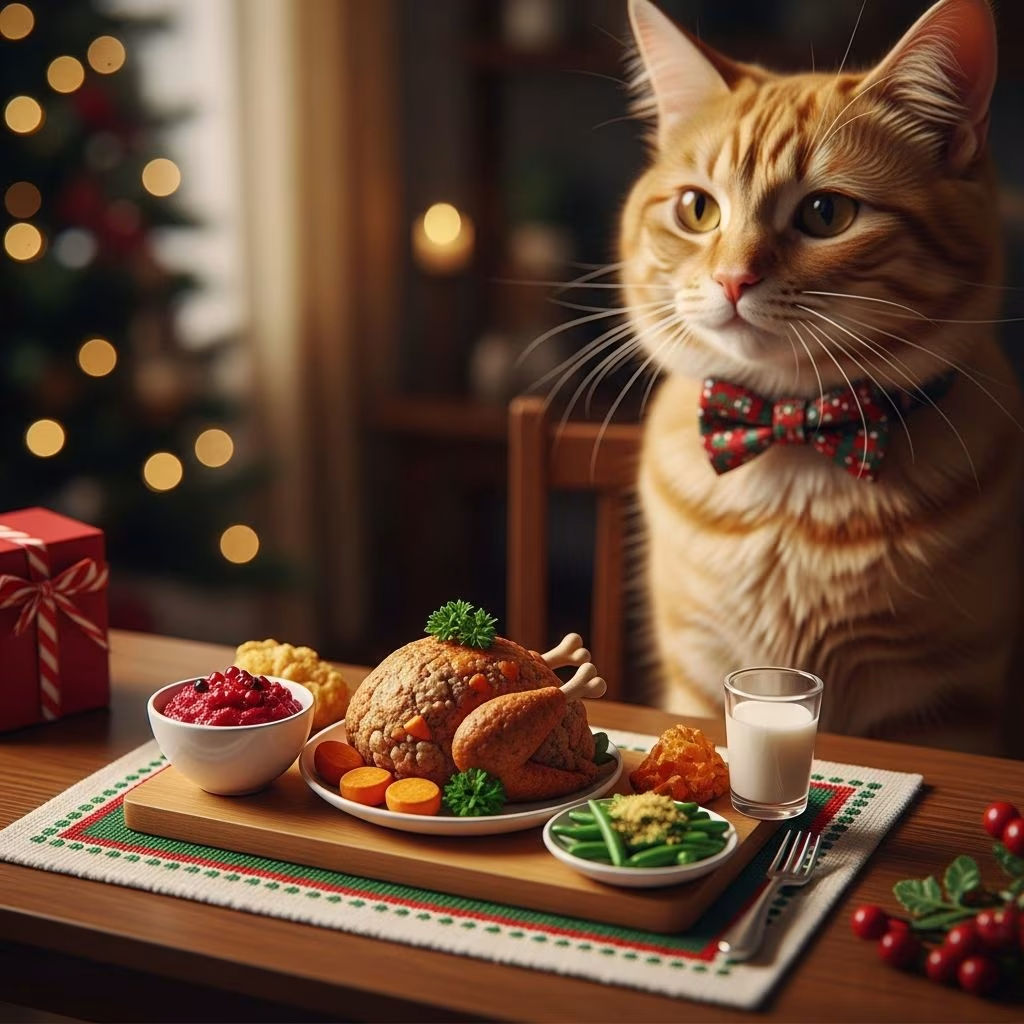
Cats crave inclusion during family gatherings, especially around Thanksgiving when aromas of roasted meats fill the air. As obligate carnivores, they thrive on protein-rich foods, but human holiday dishes often contain hidden dangers. This guide explores safe options from the Thanksgiving table, alternatives designed for cats, and essential precautions to prevent tummy troubles or worse. By choosing plain, unseasoned portions in moderation, you can share the joy without risking your pet’s health.
Understanding Feline Dietary Needs During Holidays
Cats require a diet high in animal-based proteins, with minimal carbohydrates and no toxic additives. Thanksgiving meals typically feature rich seasonings, bones, and fillers that spell trouble for felines. Veterinary experts emphasize sticking to their regular kibble or wet food as the base, treating table scraps as occasional extras—not exceeding 10% of daily calories. Overindulgence leads to obesity, pancreatitis, or digestive upset, particularly in sensitive cats.
Maintain routine feeding schedules amid guest chaos. Extra attention prevents begging behaviors, and hydration is key—offer fresh water or low-sodium broth to counter salty temptations.
Proteins That Purr-fectly Suit Cats
Meat anchors any cat-safe holiday menu. Focus on lean, skinless cuts prepared without enhancements.
- Turkey Breast: The star protein, fully cooked and unadorned. Remove skin to eliminate fats and potential contaminants. A 1-inch cube provides a protein boost without overload.
- Chicken or Other Poultry: Similar rules apply—plain, boneless, and baked or roasted. Ideal substitutes if turkey isn’t on the menu.
Avoid dark meat due to higher fat content, which can cause diarrhea. Bones pose choking hazards and splinter risks, potentially perforating intestines.
Vegetable Sides Cats Can Munch
While not essential, certain veggies offer fiber and vitamins as low-calorie treats. Serve them steamed or boiled, peeled where needed, and utterly plain.
| Vegetable | Benefits | Preparation Tips | Portion Size |
|---|---|---|---|
| Green Beans | Fiber for digestion, vitamins C and K for immunity and coat shine | Steamed, no casserole (avoids onions and dairy) | 1-2 small beans |
| Sweet Potatoes/Yams | Digestible carbs, beta-carotene for eye health | Cooked, peeled, mashed—no butter or spices | 1 tablespoon or ½-inch cube |
| Pumpkin Puree | Fiber aids hairball control and constipation relief | Plain canned (not pie filling), cooked | 1 teaspoon |
| Peas or Carrots | Crunchy texture, vitamins for dental health | Steamed, soft for easy chewing | 1-2 pieces |
These options satisfy curious cats drawn to sides, but monitor for allergies. Raw forms contain solanine toxins in potatoes, making cooking mandatory.
Dangerous Dishes to Keep Off the Floor
Many classics are feline foes due to alliums (onions, garlic), dairy, or fats. Even traces can trigger hemolytic anemia or vomiting.
- Stuffing and Dressings: Loaded with onions, garlic, and herbs—potentially fatal in small doses.
- Gravy and Sauces: High fat, salt, and seasonings overwhelm kidneys and pancreas.
- Casseroles (Green Bean, etc.): Dairy creams and onion toppings cause lactose issues and toxicity.
- Pie Fillings and Desserts: Sugars, spices like nutmeg, chocolate, or xylitol in some recipes lead to toxicity or hyperglycemia.
- Bones and Skin: Choking, blockages, or bacterial risks from undercooked poultry.
Xylitol in certain sweets destroys red blood cells rapidly. Alcohol, coffee, and grapes/raisins (in salads) are absolute no-gos.
Cat-Specific Holiday Treats and Recipes
Elevate the occasion with feline-formulated goodies. These mimic holiday flavors safely.
Simple Homemade Turkey Bites
- Boil 4 oz skinless turkey breast until fully cooked.
- Shred finely, mix with 1 tsp plain pumpkin puree.
- Portion into pea-sized bits; freeze extras.
Yield: 20 treats. Store refrigerated up to 3 days.
Lickable Broth Delights
Warm low-sodium turkey broth (onion/garlic-free) in a shallow dish. High moisture supports urinary health, perfect for picky drinkers.
Commercial Picks
- Crunchy dental treats with natural flavors for plaque control.
- High-moisture purees in savory proteins.
- Canned feasts like turkey medleys as toppers.
Introduce gradually to avoid rejection, especially for finicky eaters.
Holiday Safety Strategies for Multi-Pet Homes
Guests amplify risks—dropped morsels, open trash. Secure counters, trash bins, and tableclads. Designate a quiet retreat with toys and litter access amid noise.
- Supervise interactions; curious paws snag unattended plates.
- Chocolate, macadamia nuts, or fatty scraps lure from candy dishes.
- Plants like lilies (common decor) are nephrotoxic—keep elevated.
For travel, pack familiar food to curb stress-induced refusal.
Recognizing and Responding to Overindulgence
Watch for lethargy, vomiting, diarrhea, or abdominal pain post-feast. Mild cases resolve with fasting and hydration; severe symptoms (blood in stool, seizures) demand immediate vet care. Activated charcoal treats some toxins, but time is critical for allium poisoning.
FAQs: Common Thanksgiving Cat Queries
Can cats have turkey bones?
No—splinters cause internal injuries. Stick to boneless meat.
Is plain mashed potato okay?
Yes, in tiny amounts if peeled and cooked, but skip skins and toppings.
What about cranberry sauce?
Avoid; high sugar and potential xylitol harm digestion and blood sugar.
Can cats eat pumpkin pie?
No, due to spices and sugar. Plain puree only.
How much table food is too much?
Limit to 10% of daily intake to prevent nutritional imbalance.
Long-Term Holiday Nutrition Planning
Beyond one day, holidays signal reflection on diet. Consult vets for weight checks, dental health, or sensitivities. Transition to holiday-themed kibble variants sparingly. Enrichment like puzzle feeders curbs counter-surfing instincts.
Year-round, prioritize AAFCO-approved foods. Supplements like omega-3s enhance coat during dry seasons. Annual bloodwork catches issues early.
References
- What Thanksgiving Foods Can Cats Eat? — PetMD (Jennifer Coates, DVM). 2023. https://www.petmd.com/cat/nutrition/what-thanksgiving-foods-can-cats-eat
- Thanksgiving Food Dos and Don’ts for Pets — Maple Grove Pet Hospital. 2023. https://maplegrovepethospital.com/blog/thanksgiving-food-dos-and-donts-for-pets/
- We Planned the Perfect Thanksgiving Menu for your Pet — Figo Pet Insurance. 2023. https://figopetinsurance.com/blog/thanksgiving-menu-for-pets
- Safe Vegetables for Cats — Meow City. 2023. https://meow-city.com/thanksgiving-treats-for-your-feline-friend-safe-vegetables-for-cats/
- Safe Thanksgiving Foods for Dogs and Cats — Benson’s Pet. 2023. https://www.bensonspet.com/expert-advice/safe-thanksgiving-foods-for-dog-and-cats/
- Thanksgiving Pet Safety — American Veterinary Medical Association (AVMA). 2024-11-20. https://www.avma.org/resources-tools/pet-owners/petcare/thanksgiving-pet-safety
- The Dos and Don’ts of Thanksgiving Foods for Cats — WagWalking. 2023. https://wagwalking.com/daily/the-dos-and-donts-of-thanksgiving-foods-for-cats



