
Safe Hiking with Dogs: Essential Tips
Discover vital strategies for enjoyable and secure trail adventures with your canine companion, from gear to emergency care.
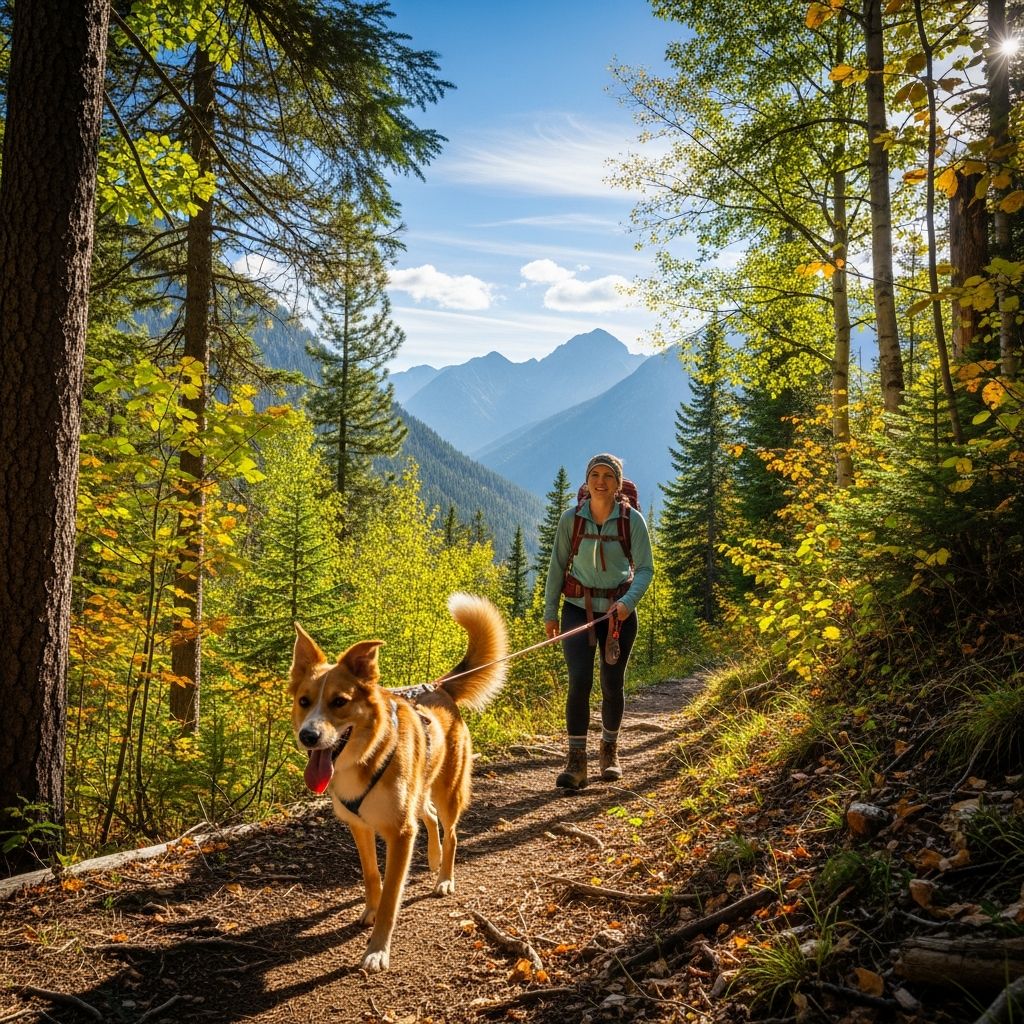
Exploring nature’s trails alongside your dog can strengthen your bond and provide invigorating exercise for both. However, trails present unique challenges like rugged terrain, wildlife, and weather shifts that demand careful planning to keep your pet safe. This guide outlines key strategies for preparation, equipment, behavior management, and crisis response, drawing from established outdoor and veterinary recommendations to help you navigate hikes confidently.
Assessing Your Dog’s Readiness for Trails
Before venturing out, evaluate if your dog is physically equipped for hiking demands. Breeds with short snouts, such as Bulldogs or Pugs, may struggle with heat due to inefficient panting, while larger or older dogs risk joint strain on steep paths. Consult a veterinarian to confirm fitness, especially for puppies under 18 months whose growing bones could suffer from excessive impact or puppies and seniors with potential limitations.
- Age considerations: Puppies need short, low-impact hikes to build stamina; seniors benefit from flat trails to avoid overexertion.
- Breed suitability: Athletic breeds like Labrador Retrievers or Australian Shepherds excel, but adapt distance to individual tolerance.
- Health screening: Rule out conditions like arthritis, heart issues, or obesity through a pre-hike exam.
Gradually introduce hiking with brief walks on varied surfaces to condition paws and muscles, monitoring for signs of fatigue like lagging or heavy breathing.
Choosing Dog-Friendly Trails and Regulations
Not all paths welcome dogs, and ignoring rules can lead to fines or eviction. National parks often restrict pets to paved areas, while state parks and forests vary—always verify via official sites like Texas Parks & Wildlife for local stipulations. Opt for trails labeled dog-friendly with moderate difficulty matching your dog’s ability, avoiding those with ladders, sheer drops, or heavy traffic where leashing is mandatory.
| Trail Type | Dog Policy | Best For |
|---|---|---|
| State Parks | Often leashed, check rules | Moderate hikes |
| National Forests | Usually allowed on leash | Varied terrain |
| National Parks | Limited to roads/campgrounds | Short walks |
| Private Trails | Varies, research ahead | Off-leash options |
Prioritize less crowded routes early morning or weekdays to minimize encounters.
Mastering Leash Discipline and Control
A reliable leash is non-negotiable for safety and courtesy on shared trails. Short leashes (under 10 feet) or hands-free options prevent tangles and allow quick control, complying with many park mandates. Even in off-leash zones, maintain visual contact and voice command reliability to avert wildlife chases or cliff edges.
- Leash types: Heeling leash for precision; extendable only in open, low-risk areas.
- Training essentials: Teach ‘sit,’ ‘stay,’ ‘come,’ and polite walking to ensure responsiveness amid distractions.
- Group limits: Cap at one dog per person, max two per group to avoid pack dynamics intimidating others.
When passing hikers, leash up, step aside, and have your dog sit calmly, yielding right-of-way to those without pets.
Protecting Paws from Trail Hazards
Rough rocks, thorns, hot pavement, or icy paths can lacerate or burn pads. Acclimate dogs to booties at home for multi-hour wear, or apply paw wax as a lightweight shield. Inspect paws pre- and post-hike for cuts, swelling, or embedded debris, carrying supplies for immediate care.
- Bootie benefits: Cushion impacts, insulate against extremes.
- Wax application: Rub into pads for natural grip and moisture barrier.
- Injury signs: Limping, licking, or bleeding warrants stopping to clean and bandage.
Avoid trails above treeline where fragile soils compact under paws, sticking to durable rock surfaces.
Hydration and Heat Management Strategies
Dogs cool via panting, not sweating, heightening overheating risks—especially brachycephalic breeds. Carry 1 quart water per 3 miles sans sources, using collapsible bowls. Discourage stagnant water intake to prevent giardia or leptospirosis; prefer flowing streams if needed.
- Heat red flags: Excessive panting, drooling, weakness—seek shade, cool with wet cloths, offer small water sips.
- Timing tips: Hike dawn/dusk in summer; monitor temps above 75°F cautiously.
- Water planning: Account for dry seasons; never rely solely on trail sources near campsites.
For hot conditions, wet paws and belly; avoid midday sun.
Gear Checklist for Trail Success
Pack thoughtfully to handle eventualities without excess weight.
| Category | Items | Purpose |
|---|---|---|
| Control | Leash, collar/harness, GPS tracker, whistle | Prevent loss, ensure commands |
| Paw Care | Booties, wax, gauze, pads, tape | Treat injuries on-site |
| Hydration/Nutrition | Water (1qt/3mi), bowl, high-energy treats | Sustain energy, prevent dehydration |
| Emergency | Muzzle, tweezers, antiseptic, blanket | Stabilize wounds, manage stress bites |
A first-aid kit tailored for dogs addresses pad tears or thorn punctures swiftly.
Trail Etiquette for Harmonious Outings
Respect ecosystems and users: Confine dogs to paths to spare vegetation; above treeline, tread rocks. Greet passers with a friendly call to signal approach, leashing proactively. Clean up waste promptly, burying if no bin or packing out.
- Wildlife avoidance: Leash near potential encounters like bears or snakes.
- Plant protection: No off-trail romps to curb erosion.
- Social cues: Yield to uphill hikers or those with fears.
Recognizing and Responding to Emergencies
Injuries like pad tears, heatstroke, or sprains require calm action. For bleeding, apply pressure with gauze; muzzle before treating pain-responsive dogs. If lost, stay put, use whistle/GPS; carry your dog out if immobile—you’re responsible.
- Heatstroke protocol: Cool gradually, transport to vet ASAP.
- Fracture suspicion: Immobilize limb, seek extraction help.
- Poison ingestion: Note substance, contact poison control en route.
Practice scenarios to build confidence.
Frequently Asked Questions
Can puppies hike long distances?
Limit to 1 mile per month of age initially, focusing on easy terrain to protect joints.
What if my dog hates booties?
Train with treats over days; paw wax serves as gentler intro.
Is off-leash ever safe?
Only in designated areas with proven recall and low hazards.
How much water for a 10-mile hike?
About 3+ quarts, more in heat; monitor intake.
What to do for snakebites?
Keep calm, immobilize, hurry to vet—avoid sucking venom.
Building Lasting Trail Habits
Consistent training and gear use foster enjoyable routines. Monitor post-hike for delayed issues like limps, integrating rest days. Vary trails to prevent boredom, always prioritizing safety for enduring adventures.
References
- Hiking With Dogs: How to Hike Safely and Considerately — Appalachian Mountain Club. 2023-05-15. https://www.outdoors.org/resources/amc-outdoors/outdoor-resources/hiking-with-dogs-how-to-hike-safely-and-considerately/
- How to Hike With Your Dog Safely — PetMD. 2024-07-10. https://www.petmd.com/dog/general-health/how-to-hike-with-your-dog-safely
- Hiking With Dogs: Tips for Hitting the Trail — American Kennel Club. 2024-03-22. https://www.akc.org/expert-advice/lifestyle/tips-for-hiking-with-your-dog/
- Keep Your Dog Safe While Hiking With These 5 Tips — Take Care of Texas. 2023-11-08. https://takecareoftexas.org/about-us/blog/keep-your-dog-safe-while-hiking-these-5-tips
- 10 Tips to Safely Hike With Your Dog: A Veterinarian’s Advice — Hope and Feather Travels. 2022-06-14. https://www.hopeandfeathertravels.com/10-tips-to-safely-hike-with-your-dog-a-veterinarians-advice/
Similar Articles








Read full bio of medha deb




