
Safe Halloween Fun for Pets
Discover essential tips to keep your furry friends safe and happy in costumes, dyes, and holiday festivities this Halloween.
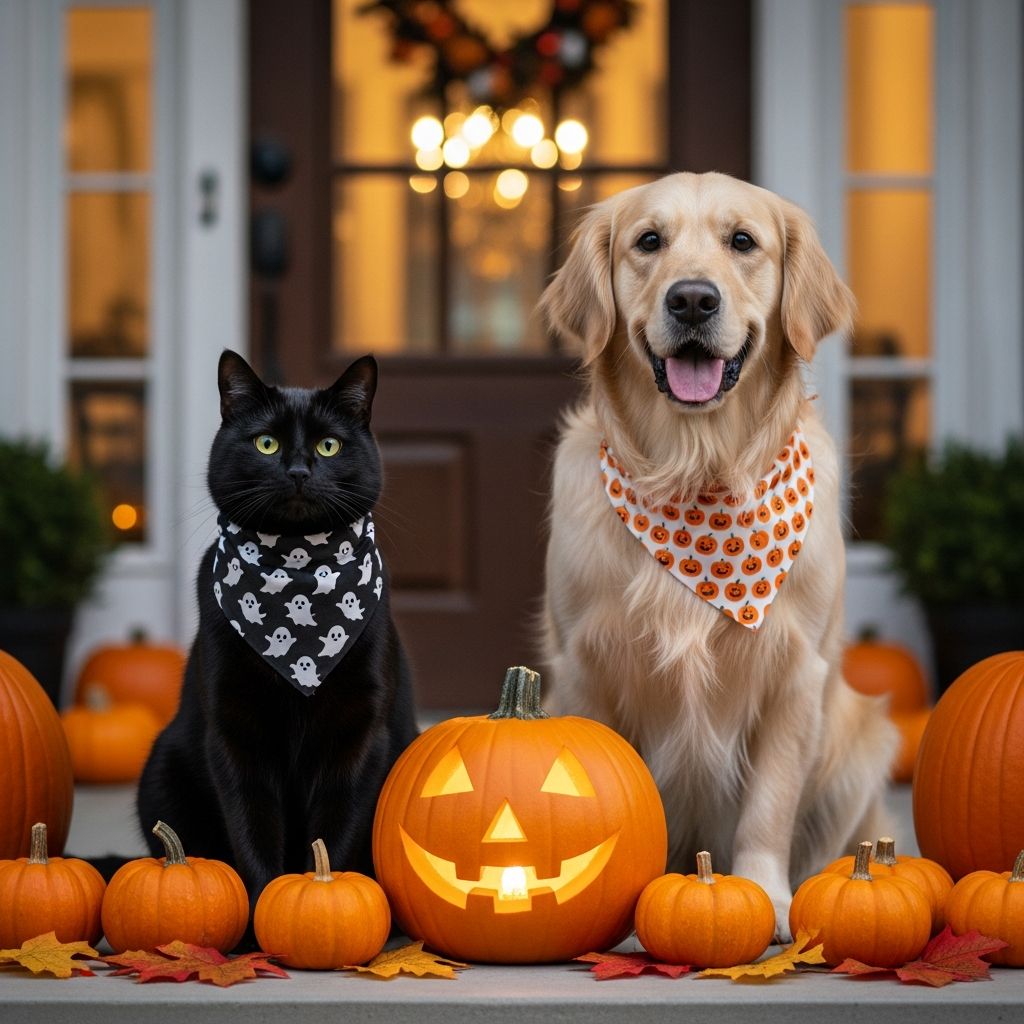
Halloween brings excitement for pet owners eager to dress up their animals in festive outfits. However, prioritizing safety ensures the holiday remains enjoyable without risking harm to dogs, cats, or other companions. This guide covers key strategies for selecting costumes, handling dyes, and managing overall festivities.
Understanding Pet Costume Risks
Pets differ from humans in their tolerance for clothing and accessories. Unfamiliar items can lead to stress, injuries, or health issues if not chosen carefully. Common dangers include restricted breathing, overheating, and ingestion of small parts.
- Choking from detachable pieces like buttons or feathers.
- Overheating in non-breathable fabrics, especially for short-nosed breeds.
- Tripping on loose or oversized designs.
- Anxiety from tight fits or obscured senses.
Veterinary organizations emphasize that only pets accustomed to wearing items like sweaters should attempt costumes. Always observe your pet’s comfort level.
Selecting the Perfect Fit
A well-fitting costume is the foundation of safety. Measure your pet’s neck, chest, and torso length using a soft tape for accuracy.
| Measurement | How to Measure | Why It Matters |
|---|---|---|
| Neck | Wrap tape around base of neck | Prevents choking or restriction |
| Chest | Behind front legs, widest part | Allows breathing and movement |
| Back Length | From neck base to tail base | Ensures full coverage without dragging |
Opt for adjustable features like Velcro straps. Test by ensuring your pet can walk, sit, jump, and lie down freely. Avoid anything covering eyes, ears, nose, or mouth.
Material Choices for Comfort and Safety
Breathable, soft fabrics like cotton or fleece reduce irritation and heat buildup. Steer clear of synthetics that may melt or ignite near candles.
- Lightweight options for warm climates.
- Layered designs only for cold weather.
- Non-toxic, hypoallergenic materials to prevent allergies.
For active pets, prioritize stretchy materials that mimic natural movement. Simple designs like capes or bandanas minimize bulk.
DIY Costumes: Creative Yet Cautious
Homemade outfits allow personalization but demand extra vigilance. Use pet-safe glues and secure all embellishments firmly.
- Sketch simple patterns based on pet measurements.
- Select washable, durable fabrics.
- Sew or glue reinforcements on stress points.
- Test for chew resistance before full wear.
Avoid paints, sprays, or dyes unless verified non-toxic, as they can cause skin reactions or poisoning if licked.
Navigating Pet Fur Dyes and Colorants
Trendy fur dyes add flair but pose significant risks. Many contain chemicals harmful if ingested during grooming.
- Choose vet-approved, water-based products free of ammonia or peroxides.
- Patch test on a small area 24 hours prior.
- Limit application to non-licked areas like backs.
- Rinse thoroughly and monitor for redness or vomiting.
Alternatives include temporary clip-on extensions or colored accessories safer than direct dyeing.
Preparation and Acclimation Strategies
Introduce costumes gradually over days or weeks. Start with short sessions paired with treats to build positive associations.
- Day 1: 5-minute wear indoors.
- Increase time if no stress signs like panting or hiding.
- Practice walks or interactions in safe spaces.
Brachycephalic breeds (e.g., Pugs, Persians) need shorter sessions due to breathing challenges.
Supervision During Celebrations
Never leave a dressed pet alone; constant monitoring prevents tangles or escapes. During trick-or-treating, use leashes and avoid crowded areas if your pet is shy.
Check for distress signals: excessive panting, drooling, attempts to remove the outfit, or hiding.
Halloween Hazards Beyond Costumes
Chocolate, xylitol candies, and glow sticks are toxic temptations. Keep bowls elevated and doors secured.
- Secure decorations to avoid chewing.
- Dim lights reduce disorientation.
- ID tags updated for wandering risks.
Breed-Specific Considerations
Tailor choices to your pet’s build and personality.
| Breed Type | Recommended Styles | Avoid |
|---|---|---|
| Short-Nosed (Brachycephalic) | Lightweight bandanas | Full suits, masks |
| Long-Haired | Simple capes | Matting fabrics |
| High-Energy | Minimalist designs | Draggy trains |
| Shy/Anxious | Skip costumes | Attention-drawing hats |
Post-Halloween Care
Remove costumes promptly after events. Inspect skin for irritation, mat fur, and bathe if dyes were used. Monitor for 48 hours for delayed reactions.
Frequently Asked Questions
Can all pets wear costumes?
No, only those comfortable with apparel. Respect pets showing discomfort.
How long should pets wear costumes?
Limit to 1-2 hours max to prevent overheating or stress.
Are pet dyes safe?
Only vet-approved ones; many cause toxicity via ingestion.
What if my pet chews the costume?
Remove immediately and consult a vet if pieces are swallowed.
Best costumes for hot weather?
Breathable, single-layer items like scarves.
References
- 6 Scary-Good Pet Costume Safety Tips — Hudson Animal Hospital. 2023. https://www.hudsonanimalhospitalnyc.com/services/pets/blog/6-scary-good-pet-costume-safety-tips/
- Pet Costume Safety: Avoid Common Halloween Mistakes — Toro Park Veterinary. 2023. https://www.toroparkvet.com/pet-costume-safety-and-avoid-common-mistakes/
- Safety Guidelines For Pet Costumes — Westfield Vet Hospital. 2023. https://westfieldvethospital.com/blog/safety-guidelines-for-pet-costumes/
- Want to Dress Up Your Pet for Halloween? Follow These 6 Pet Costume Safety Tips — Vets of East Texas. 2023. https://www.vetsofeasttexas.com/services/cats/blog/want-dress-your-pet-halloween-follow-these-6-pet-costume-safety-tips
- Halloween pet safety — American Veterinary Medical Association. 2024-10-01. https://www.avma.org/resources-tools/pet-owners/petcare/halloween-pet-safety
- Your Guide to Safe Pet Costumes — Everhart Veterinary Medicine. 2023. https://www.everhartvet.com/your-guide-to-safe-pet-costumes/
- Choosing a Safe Pet Halloween Costume — American Animal Hospital Association. 2023. https://www.aaha.org/resources/choosing-a-safe-pet-halloween-costume/
Similar Articles








Read full bio of medha deb


