

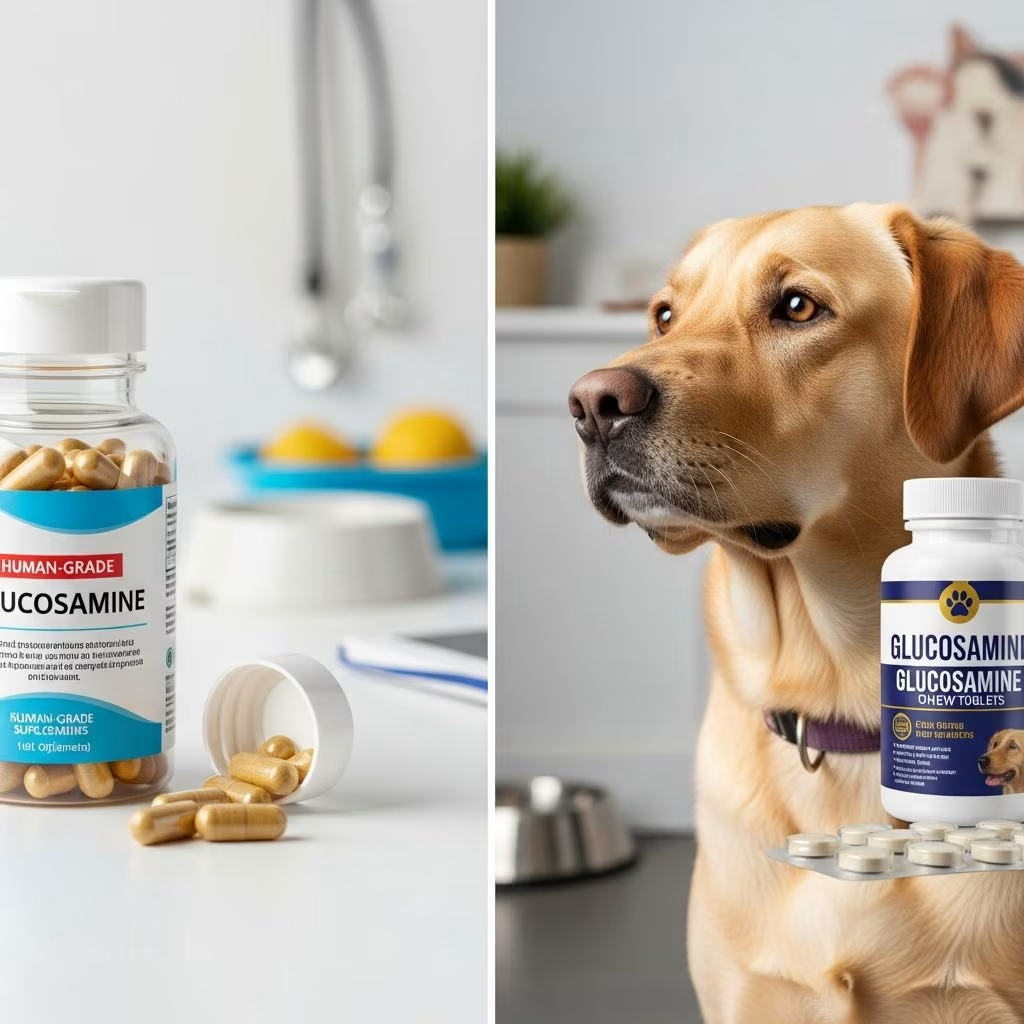
Glucosamine supports joint health in dogs by aiding cartilage maintenance and reducing osteoarthritis symptoms, but human formulations pose risks due to differing ingredients and dosages.
Understanding Glucosamine’s Role in Canine Joint Wellness
Glucosamine is a natural compound that dogs produce to build and repair cartilage, the tissue cushioning joints. As dogs age or face high activity levels, natural production declines, leading to stiffness, pain, and conditions like osteoarthritis. Supplements replenish this compound, promoting flexibility and comfort.
Research shows glucosamine, often paired with chondroitin, offers chondroprotective effects in dogs, reducing inflammation and slowing joint degeneration. Studies demonstrate improvements in lameness, pain upon manipulation, and overall mobility after consistent use.
Differences Between Human and Dog Glucosamine Supplements
Human glucosamine products are formulated for longer human digestive tracts, while dogs have shorter systems requiring different absorption profiles. Human versions frequently include additives like xylitol—a toxic sweetener for dogs—or other substances causing gastrointestinal distress or worse.
Canine-specific supplements avoid these hazards, using pure glucosamine sulfate or hydrochloride tailored to dogs. They ensure optimal bioavailability without harmful fillers.
Recommended Dosages for Dogs by Size and Weight
Dosage varies by dog weight to avoid overload. Always consult a vet for personalized advice, especially with existing conditions.
| Dog Size | Weight Range | Daily Glucosamine Dosage |
|---|---|---|
| Small | Under 10kg | 250-500mg |
| Medium | 10-25kg | 500-1000mg |
| Large | 25-50kg | 1500-2000mg |
| Extra Large | Over 50kg | 2000mg+ (vet consultation required) |
Administer daily with food for best absorption. Effects may appear in 4-6 weeks.
Potential Side Effects and Safety Monitoring
Glucosamine is safe for most dogs with rare mild effects like vomiting, diarrhea, or soft stools. High doses may increase thirst or urination.
- Common mild issues: Gastrointestinal upset, gas, constipation.
- Rare reactions: Allergies (especially shellfish-derived), hives, swelling, breathing issues.
- Interactions: Possible with blood thinners; monitor liver/kidney function.
Discontinue if symptoms arise and seek veterinary care. Studies confirm no serious adverse effects in trials.
Scientific Evidence on Glucosamine Efficacy for Dogs
Peer-reviewed studies affirm benefits. One trial found dogs on glucosamine-chondroitin showed reduced lameness by day 12 and less synovitis (joint inflammation) by day 48 versus controls.
Another assessed pain, mobility, and weight-bearing: significant improvements in pain and overall condition by day 70, peaking at 150 days. Combinations with undenatured collagen added no extra gains.
While human studies question glucosamine hydrochloride, sulfate forms rival NSAIDs for pain relief with fewer side effects. Veterinary consensus supports it as a low-risk option for osteoarthritis management.
Signs Your Dog Needs Joint Support
Monitor for joint issues to start supplementation early:
- Hesitation to rise, sit, or climb stairs.
- Limping or favoring one leg.
- Decreased playfulness or exercise tolerance.
- Joint swelling or stiffness after rest.
- Whining during movement.
Best Practices for Introducing Glucosamine
Start low and increase gradually. Combine with weight management, low-impact exercise, and omega-3s for synergy. Vet approval ensures compatibility with meds.
Choose products from reputable sources with third-party testing. Liquid forms aid absorption in picky eaters.
Alternatives if Glucosamine Isn’t Suitable
For shellfish-allergic dogs, vegan glucosamine from corn exists. Chondroitin, MSM, or hyaluronic acid complement or substitute. Prescription NSAIDs offer short-term relief under vet supervision.
Frequently Asked Questions (FAQs)
Can dogs overdose on glucosamine?
Dogs have a wide safety margin, but excess can cause GI issues. Stick to weight-based doses; contact vet if overdose suspected.
How long until glucosamine works for dogs?
Typically 4-8 weeks for noticeable mobility gains. Consistency is key.
Is glucosamine safe for puppies?
Not routinely; consult vet as growing joints differ.
Can pregnant or nursing dogs take it?
Limited data; vet guidance essential.
Does breed affect glucosamine needs?
Large breeds like Labs prone to hip dysplasia benefit most, but all active/aging dogs gain.
Consulting Your Veterinarian: The Essential Step
Before any supplement, discuss health history, diet, and diagnostics like X-rays. Vets recommend based on evidence, ensuring safe, effective use.
References
- Human Glucosamine for dogs | Dosage and side effects — AllinFlex NZ. 2023. https://allinflex.co/blogs/dog-hip-and-joint-health-glucosamine-chondroitin-and-hyaluronic-acid-guide/human-glucosamine-for-dogs-dosage-and-side-effects
- Glucosamine and chondroitin use in canines for osteoarthritis — PMC (PubMed Central). 2017-02-28. https://pmc.ncbi.nlm.nih.gov/articles/PMC5356289/
- Glucosamine for Dogs: Explained — Dorwest. 2023. https://us.dorwest.com/blogs/blog/glucosamine-for-dogs-explained
- Can I Use Human Glucosamine And Chondroitin For Dogs? — Synflex America. 2023. https://www.synflexamerica.com/company/blog/can-i-use-human-glucosamine-and-chondroitin-for-dogs/
- Can Dogs Take Human Glucosamine? — Integricare. 2023. https://us.integricare.ca/blogs/articles/can-dogs-take-human-glucosamine
- Glucosamine for Dogs: Uses, Side Effects, and Alternatives — AKC.org. 2023. https://www.akc.org/expert-advice/nutrition/glucosamine-for-dogs/
- Assessing pet supplements — American Veterinary Medical Association (AVMA). 2017-01-15. https://www.avma.org/javma-news/2017-01-15/assessing-pet-supplements



