

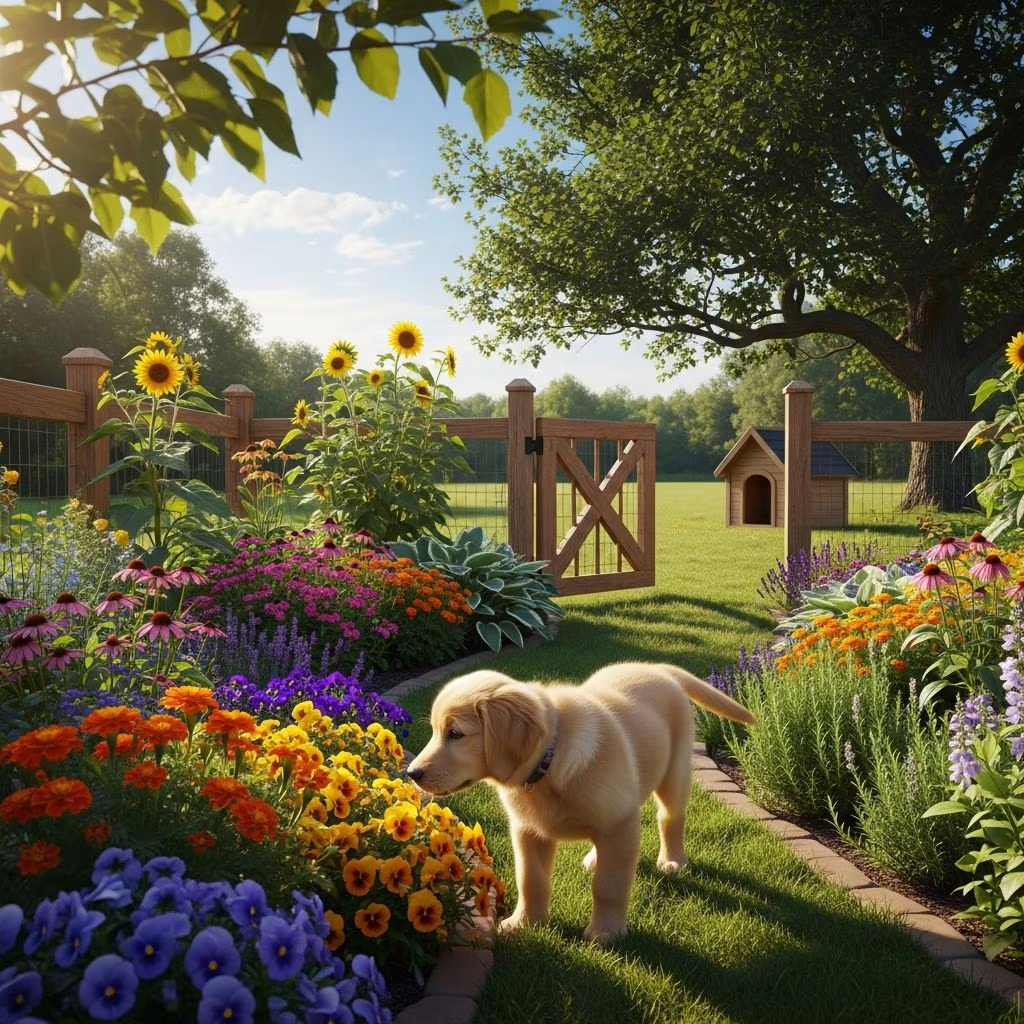
Designing an outdoor space that thrills both you and your canine companion starts with choosing plants that pose no health risks. Dogs love to explore, dig, and sometimes nibble on greenery, so selecting non-toxic varieties is essential for peace of mind. This guide highlights a variety of safe flowers and plants perfect for gardens, patios, and yards, drawing from reliable veterinary insights to help you craft a vibrant, pet-proof paradise.
Why Choose Dog-Safe Plants for Your Yard?
Many common garden favorites can cause vomiting, diarrhea, or worse if ingested by dogs. Opting for safe alternatives prevents emergency vet visits while allowing your pet full access to the outdoors. These plants not only resist toxicity but often attract pollinators, provide shade, or offer sensory appeal that dogs enjoy brushing against. According to the ASPCA’s comprehensive plant list, numerous blooming options fall firmly in the non-toxic category for dogs, enabling lush landscapes without compromise.
Beyond safety, these selections enhance biodiversity and require minimal upkeep, fitting busy pet owners’ lifestyles. They thrive in diverse climates, from sunny exposures to shaded nooks, ensuring adaptability across regions.
Top Sun-Loving Annuals and Perennials
Sunny spots demand resilient bloomers that withstand playful paws. Here are standout choices that deliver color and durability.
- Sunflowers: Towering giants with golden heads, these annuals reach impressive heights, creating natural fences or backdrops. They flourish in full sun with moderate water, and their seeds draw birds post-bloom. Dogs can safely munch petals or stalks in moderation.
- Marigolds: Bold orange and yellow pom-poms repel insects naturally while adding warmth. Plant in well-drained soil under full sun; they’re drought-tolerant once rooted. Rare mild skin reactions from rolling may occur, but ingestion is harmless.
- Zinnias: Bursting with reds, pinks, and whites, these heat-lovers bloom continuously if deadheaded. Ideal for borders, they attract butterflies and tolerate poor soil, making them low-fuss winners for pet homes.
- Snapdragons: Spiky towers in every hue rise elegantly in partial to full sun. Rich soil and steady moisture keep them flowering; their playful ‘snapping’ flowers entertain kids and pets alike, fully safe for nibbling.
Shade-Tolerant Greenery and Foliage
Not all yards bask in sunlight. Shady areas benefit from these lush, non-toxic options that add texture without risk.
- Boston Ferns: Cascading fronds create soft, green curtains for porches or under trees. They crave indirect light, humidity, and moist soil, thriving as hanging baskets to deter digging.
- Coral Bells: Mounded leaves in jewel tones—green, bronze, even near-black—support delicate flower wands. Partial shade suits them best in well-drained spots; variegated types dazzle visually.
- Parlour Palm: Tropical vibes with feathery fronds purify air and handle low light gracefully. Moist, rich soil keeps them upright; ponytail varieties tempt curious noses safely.
| Plant Type | Light Needs | Height | Key Benefit |
|---|---|---|---|
| Sunflowers | Full Sun | 6-10 ft | Height for privacy |
| Marigolds | Full Sun | 1-2 ft | Pest repellent |
| Boston Fern | Shade | 2-3 ft | Hanging option |
| Coral Bells | Partial Shade | 1 ft | Colorful foliage |
Herbs and Edible Accents
Incorporate culinary herbs that double as safe ground covers or borders. These aromatic picks enhance gardens and kitchens without endangering dogs.
- Basil: Fragrant leaves in varieties like sweet or Thai thrive in sun with regular water. Insect-repelling and edible, they’re perfect for container edges.
- Rosemary: Woody evergreen with blue blooms loves dry, sandy soil and full sun. Drought-hardy, it deters pests and withstands trampling.
- Thyme: Creeping mats release savory scents when brushed. Full sun and minimal water suit this tough herb; great for paths where dogs trot.
- Fennel: Feathery fronds and licorice notes make it a standout. Bulbs grill well, seeds freshen breath—safe and versatile for all.
Shrubs and Structural Plants
For year-round structure, select bushes and palms that frame your space safely.
- Fuchsias: Dangling pink-purple bells lure hummingbirds in mild climates. Hanging baskets protect from ground play; perennial in temperate zones.
- Camellias: Glossy evergreens burst with spring roses in part shade. Acidic soil and moisture ensure lush growth; unlike azaleas, fully pet-safe.
- Bamboo (Clumping): Privacy screens grow swiftly in partial sun. Non-invasive types stay contained, offering rustling fun for dogs.
- Magnolia Bushes: Compact forms with creamy flowers prefer sun. They add elegance without toxicity concerns.
Growing Tips for a Thriving Pet Garden
Success hinges on site prep and care. Test soil pH—most safe plants prefer neutral to slightly acidic. Amend with compost for drainage, vital since wet roots invite issues. Mulch to suppress weeds and retain moisture, but skip cocoa mulch, which is toxic.
Water deeply but infrequently to encourage strong roots. Prune spent blooms to prolong flowering, and elevate pots or use raised beds to safeguard tender starts from digging enthusiasts. Companion planting, like marigolds near veggies, boosts pest control naturally.
Regional adaptations matter: In hot zones, prioritize drought-tolerants like rosemary; cooler areas suit ferns and camellias. Start small with pots to test your dog’s interaction before full landscaping.
Plants to Absolutely Avoid
Steer clear of known dangers. The ASPCA flags lilies, azaleas, and sago palms as highly toxic, causing organ failure. Yews and oleanders deliver fatal cardiac effects even from leaves. Check labels and research before planting—better safe than sorry.
Creative Design Ideas for Pet-Friendly Yards
Zone your space: Dedicate sunny centers to sunflowers and zinnias, shady edges to ferns. Create ‘dog paths’ with thyme borders for safe romps. Mix heights for visual interest—tall sunflowers backdrop low coral bells.
Incorporate play zones: Bamboo screens hide agility setups, while fuchsia baskets swing entertainingly. Edible herbs near patios blend utility and beauty. Vertical gardens on fences save ground space from paws.
FAQs: Dog-Safe Gardening Essentials
Are all parts of these plants safe for dogs?
Yes, stems, leaves, flowers, and seeds of recommended varieties are non-toxic per ASPCA guidelines, though excessive eating may cause mild tummy upset.
Can dogs eat these plants like treats?
In small amounts, yes—sunflower seeds or fennel offer fun nibbles. Monitor to prevent overindulgence.
How do I transition my yard to pet-safe?
Remove toxics first, then plant in phases. Use barriers during establishment.
What if my dog chews a safe plant excessively?
It’s harmless but redirect with toys. Consult vets for persistent habits.
Are these safe for other pets too?
Most are cat-safe, but verify ASPCA lists for multi-pet homes.
Transform your yard into a safe haven where beauty meets boundless play. With these selections, your dog can dash through flowers worry-free, fostering joyful outdoor adventures year-round.
References
- 15 Dog-Safe Plants You Can Add to Your Garden Right Now — Rover.com. 2023. https://www.rover.com/blog/10-safe-plants-dogs-can-add-almost-garden-right-now/
- 10 Non-Toxic Outdoor Plants for Those with Pets — Wallace’s Garden Center. 2024. https://wallacesgardencenter.com/blogs/gardening/pet-friendly-plants
- Non-Toxic Plants For Pets (an A-Z guide to pet friendly plants) — Animal Emergency Service. 2023. https://animalemergencyservice.com.au/blog/non-toxic-plants-for-pets/
- Toxic and Non-Toxic Plant List — Dogs — ASPCA. 2025-01-15. https://www.aspca.org/pet-care/animal-poison-control/dogs-plant-list
- Beautiful Pet-Safe Flowers for Your Garden and Home — Preventive Vet. 2024. https://www.preventivevet.com/pets/beautiful-pet-safe-flowers-for-home-and-garden



