

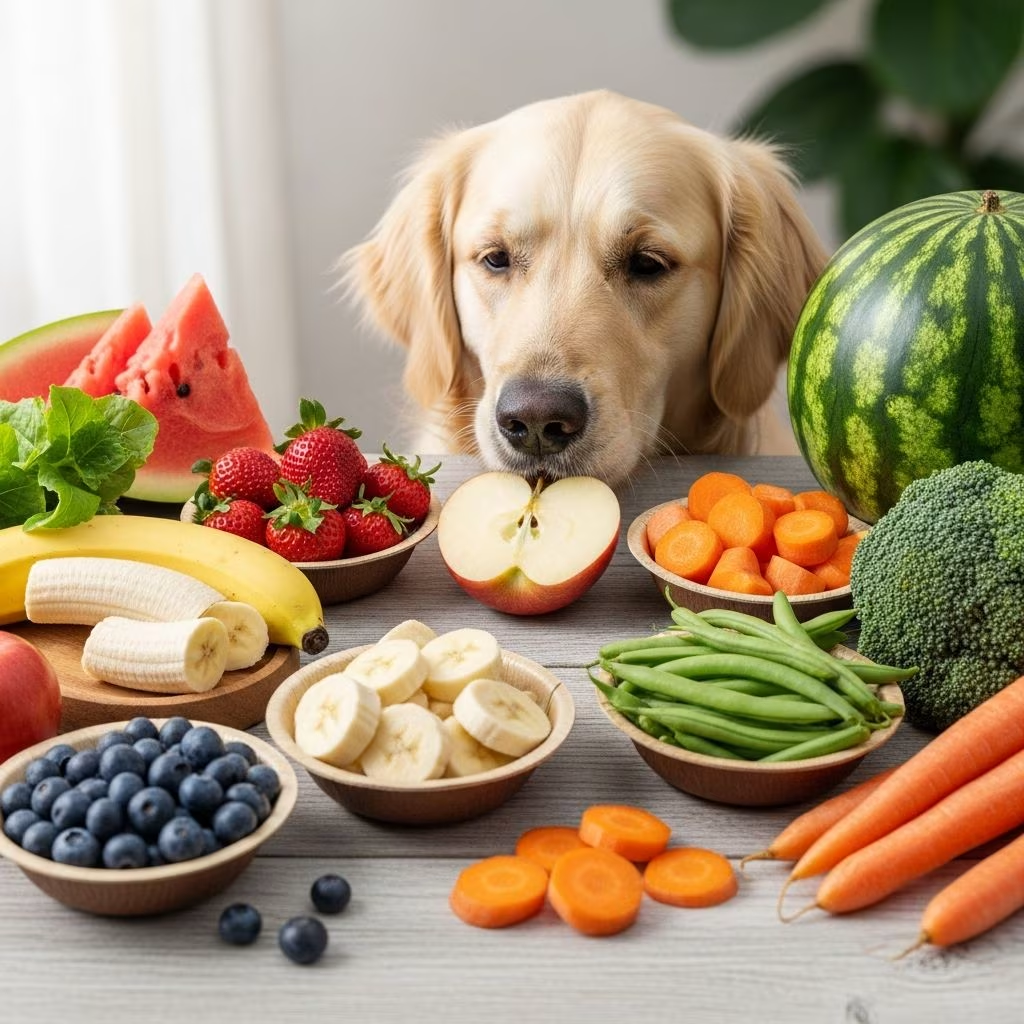
Feeding your dog a balanced diet is key to their long-term health, and incorporating certain fruits and vegetables can provide essential vitamins, fiber, and antioxidants. However, not all produce is suitable for canine consumption, as some can cause serious harm. This guide outlines safe options, their benefits, and foods to avoid, helping you make informed choices for treats and supplements to commercial kibble.
Why Add Produce to Your Dog’s Diet?
Fruits and vegetables offer low-calorie ways to deliver nutrients like vitamins A, C, and K, which support immune function, digestion, and coat health. They add variety, help with weight management, and can even freshen breath or clean teeth through natural chewing. Always introduce new foods gradually to monitor for allergies or digestive upset, and limit treats to 10% of daily calories.
Top Safe Fruits for Dogs
Several fruits make excellent occasional treats when prepared properly—remove seeds, pits, cores, and peels where necessary to eliminate risks.
- Apples: Packed with fiber and low in fat, apples aid digestion and are ideal for senior or overweight dogs. Vitamins A and C promote bone and tissue health. Slice thinly and discard core/seeds, which contain trace cyanide.
- Blueberries: Antioxidant-rich, these berries provide fiber and vitamin C, supporting eye health and immunity. They’re low-sugar and perfect for training rewards.
- Pears: High in fiber, vitamins C and B6, pears boost energy and gut health. Remove core and seeds before serving slices.
- Pineapple: Offers folate, zinc, and enzymes for digestion and immune support. Give small chunks occasionally, avoiding the core.
- Apricots: The flesh supplies potassium and beta-carotene, potentially aiding cancer prevention. Strictly remove pits, stems, and leaves.
- Blackberries and Raspberries: Low-sugar with anti-inflammatory benefits and vitamin C, great for older dogs’ joints. Limit to small amounts due to trace xylitol.
- Strawberries: Provide vitamin C, potassium, and manganese for immune strength. Wash thoroughly and slice for easier eating.
- Oranges: A vitamin C source, but high sugar means moderation; skip the peel to prevent stomach issues.
Beneficial Vegetables for Canine Health
Vegetables are often lower in sugar than fruits, making them staple add-ins for nutrition without calorie overload. Steam, boil, or serve raw as chews.
- Carrots: Beta-carotene converts to vitamin A for vision and skin; biotin, K, and potassium add value. Crunchy texture cleans teeth.
- Green Beans: Low-calorie with iron, calcium, and vitamins A, B6, C, K; fiber promotes satiety for weight control.
- Broccoli: Vitamins K and C, plus potassium, enhance bone density, heart health, and disease resistance. Small portions to avoid gas.
- Sweet Potatoes and Yams: Fiber-rich for digestion, loaded with vitamin A, C, B6, and minerals like iron. Bake or boil without skin.
- Kale: Vitamins K, A, iron bolster bones, vision, immunity, and energy. Chop finely and mix with other foods.
- Beets: Folate, manganese, vitamin C, and fiber improve digestion, immunity, skin, and coat.
- Peas: Protein-packed with vitamins A, B, C, K, and fiber; frozen or steamed for convenience.
- Cabbage: Aids digestion and skin health; introduce slowly to minimize gas.
Fruits and Veggies to Never Feed Dogs
Some produce contains toxins that damage red blood cells, cause kidney failure, or lead to gastrointestinal distress. Awareness prevents emergencies.
| Safe? | Food | Risk |
|---|---|---|
| No | Grapes/Raisins | Kidney failure, even in small amounts. |
| No | Onions/Garlic/Chives/Leeks | Anemia from red blood cell damage; toxic raw or cooked. |
| No | Tomato Stems/Leaves/Unripe Fruit | Stomach upset; ripe fruit sometimes tolerated but risky. |
| No | Green Potatoes/Stems/Leaves | Solanine poisoning causes vomiting, diarrhea. |
| No | Wild Mushrooms | Potentially fatal toxins; cook button mushrooms if used. |
| Caution | Avocado | Persin causes vomiting/diarrhea. |
Preparation and Portion Guidelines
Always wash produce thoroughly. Cut into small, choke-proof pieces. For fruits with pits/seeds, remove completely. Cook fibrous veggies like sweet potatoes for better digestibility. Start with tiny amounts—e.g., one slice or a few bites—to test tolerance. Puppies, seniors, and dogs with health issues may need vet approval. Overfeeding fiber can cause diarrhea; balance with protein-rich kibble.
Health Benefits Backed by Nutrition
Digestion: Fiber from apples, pears, green beans, sweet potatoes regulates bowels and prevents constipation.
Immunity and Anti-Aging: Antioxidants in blueberries, kale, raspberries combat inflammation and support seniors.
Weight Management: Low-cal options like carrots, green beans fill without fattening.
Dental Health: Chewing carrots or apples scrapes plaque.
Common Myths Debunked
- Myth: All fruits are safe treats. Reality: Grapes are deadly despite being common.
- Myth: Veggies replace balanced food. Reality: They supplement, not substitute, complete diets.
- Myth: Cooking neutralizes toxins. Reality: Allium veggies like onions remain harmful.
DIY Dog Treat Recipes with Produce
Apple-Carrot Bites: Grate 1 apple (no core) and 2 carrots, mix with 1 cup oat flour and 1 egg. Bake at 350°F for 20 min. Yields 20 treats.[Inspired by general vet advice]
Blueberry Frozen Yogurt: Blend blueberries, plain yogurt, banana. Freeze in molds. Probiotic boost for gut health.
Sweet Potato Chews: Slice thin, bake at 250°F for 3 hours until crisp. Dental-friendly snack.
Frequently Asked Questions (FAQs)
Can dogs eat watermelon?
Yes, seedless rind-free chunks hydrate in summer; high water content refreshes.
Are bananas safe for dogs?
In moderation—potassium-rich but sugary; peel and slice.[General knowledge from sources]
What if my dog eats something toxic?
Contact vet or poison hotline immediately; induce vomiting only on professional advice.
How much produce per day?
10% of calories max; e.g., 50-lb dog: 1/2 cup chopped veggies/fruits.
Do cats have different safe lists?
Yes—focus on cat-specific guides; many dog-safe foods differ for felines.
Consult Your Veterinarian
Individual needs vary by breed, age, and conditions like diabetes. Pair produce with high-quality dog food for complete nutrition. Regular check-ups ensure dietary tweaks align with health.
References
- Fruit & Veggies Dogs Can and Can’t Eat — Pico Rivera Animal Hospital. 2024-02-15. https://www.picoriveravet.com/site/blog/2024/02/15/fruit-veggies-dogs-eat
- Fruits & Veggies Dogs Can & Can’t Eat — South Florida Vets (Animal Eye Guys). 2024-04-15. https://www.animaleyeguys.com/site/blog/2024/04/15/fruits-veggies-dogs-can-cant-eat
- What fruit and vegetables can dogs eat? — Blue Cross UK (.org, animal welfare org). Recent access 2026. https://www.bluecross.org.uk/advice/dog/can-dogs-eat-apples-grapes-potatoes-and-other-fruit-and-veg
- Fruits and Vegetables Dogs Can or Can’t Eat — American Kennel Club (.org, official breed registry). Recent. https://www.akc.org/expert-advice/nutrition/fruits-vegetables-dogs-can-and-cant-eat/
- Which Seasonal Fruits & Vegetables Safe for Pets — Caring Hands Vet. Recent. https://caringhandsvet.com/seasonal-fruits-and-veggies-your-pet-can-safely-enjoy/



